A strong earthquake struck Kumamoto Prefecture in southern Japan on July 28, killing at least 13 people [3].
The disaster highlights the ongoing vulnerability of urban infrastructure in seismic zones, as the collapse of a major commercial center trapped civilians and rescue workers.
Japanese authorities said the earthquake reached a magnitude of 7.1 [2], though preliminary estimates from other sources placed it at 6.8 [1]. The shaking triggered a tsunami warning across the region [2].
Significant damage occurred at a local Aeon Mall, where three people died [3]. The President of Aeon Mall said, "A further three people are missing while rescue workers sift through the rubble" [3].
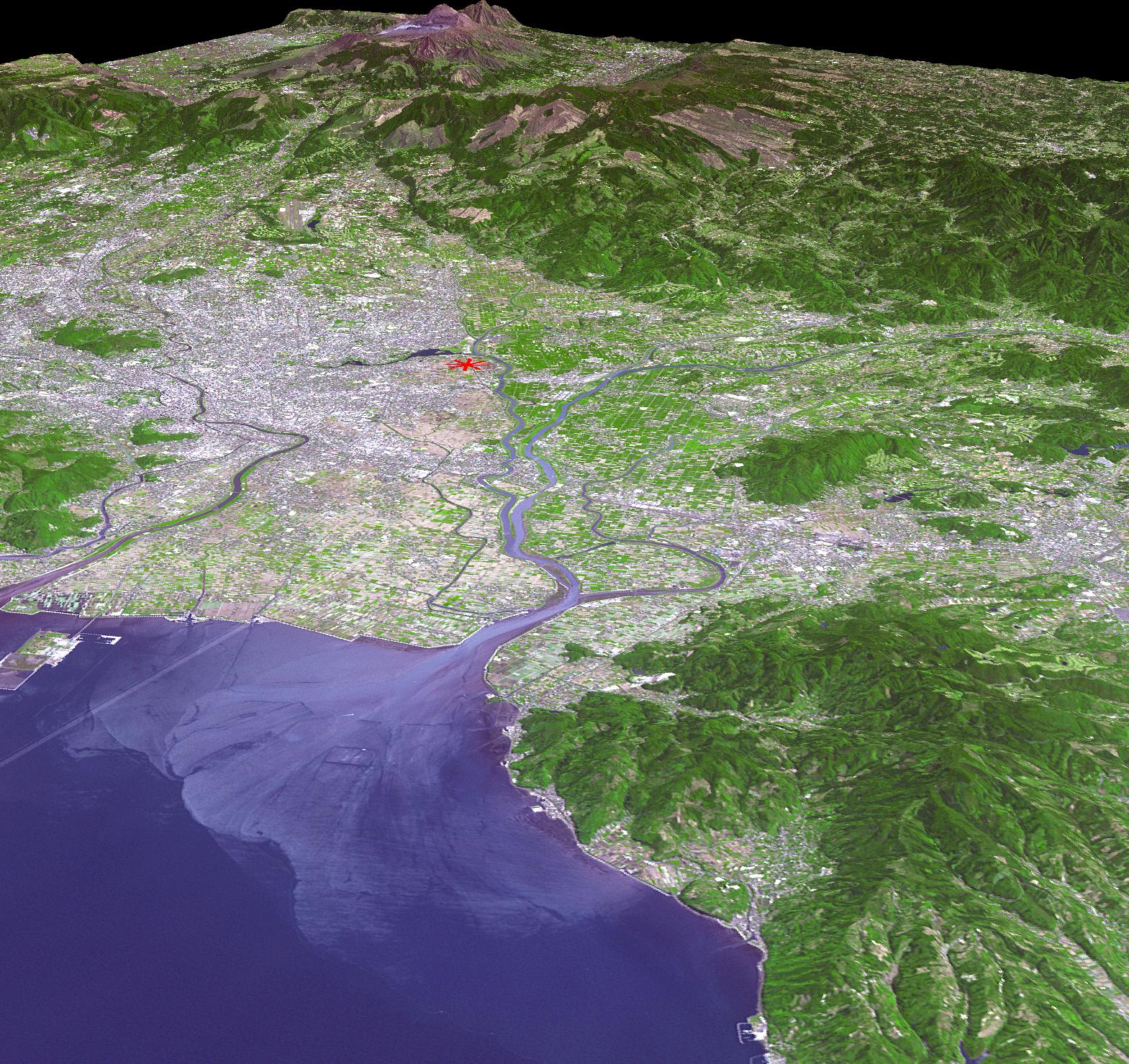
Aerial footage broadcast following the quake showed the scale of the destruction in Kumamoto city. Rescue teams have spent the last few days navigating collapsed structures to locate survivors and recover bodies.
Prime Minister Sanae Takaichi said the public should remain vigilant for the possibility of another earthquake of similar magnitude [2]. The government continues to coordinate emergency responses as search operations persist in the most heavily damaged areas.
Local residents and employees at the shopping center reported sudden, violent shaking that led to the immediate failure of several building sections. The event has prompted a review of safety protocols for large-scale retail complexes in the prefecture.
“At least 13 people died across Japan following the seismic event.”
The disparity in magnitude reports—ranging from 6.8 to 7.1—underscores the volatility of initial seismic data, but the resulting fatalities and structural failures at the Aeon Mall indicate a high-intensity event. This disaster emphasizes the critical need for reinforced commercial architecture in southern Japan to prevent high-occupancy buildings from becoming death traps during inevitable tectonic shifts.


