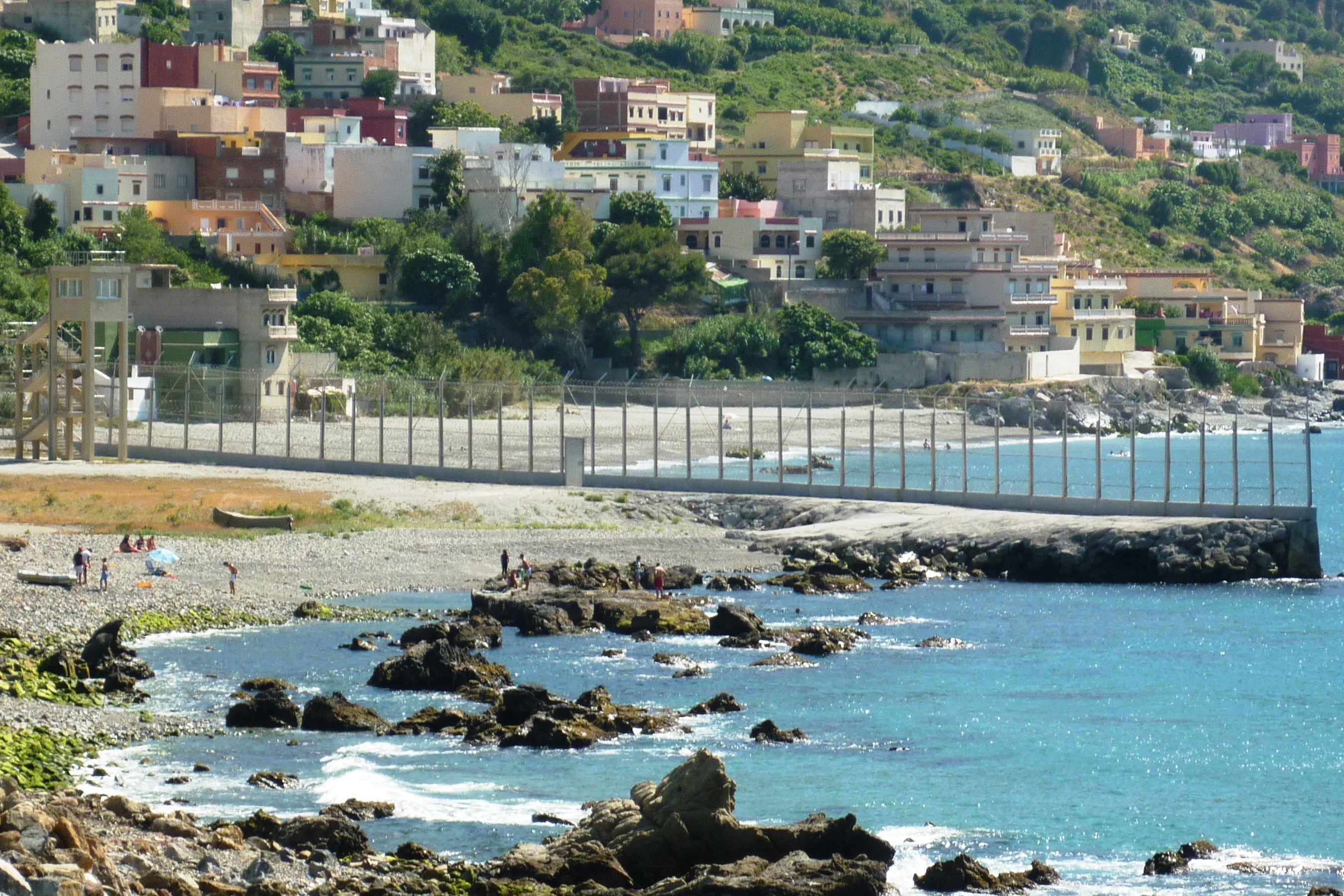
Nearly 3,000 migrants from Morocco have crossed into Ceuta, the Spanish exclave on the North African coast [1].
The sudden influx has prompted calls for a national emergency as local infrastructure struggles to manage the record-high daily arrivals. This situation highlights the ongoing volatility of migration routes between Africa and Europe and the pressure placed on border security.
World leaders have expressed concern over the scale of the movement. Sophie Elsworth of News24 said, "There are calls from other world leaders to say what on earth is going on; action needs to be taken."
The crisis in Ceuta is occurring alongside broader migration debates in other European nations. Elsworth said there are calls to the new British prime minister asking what is being done about the migrant crisis in the UK.
While reports indicate that nearly 3,000 people have entered the territory [1], other accounts suggest a shift in border dynamics. Some reports indicate that Morocco is currently stopping would-be migrants from attempting to reach the Spanish exclave.
Ceuta remains a primary point of contention due to its geography as a Spanish territory situated directly on the Moroccan coast. The tension between the need for humanitarian aid, and the enforcement of national borders, continues to drive the political urgency in the region.
“Nearly 3,000 migrants from Morocco have crossed into Ceuta”
The situation in Ceuta underscores the fragile diplomatic balance between Spain and Morocco regarding border control. The contradiction between reports of mass arrivals and reports of Moroccan intervention suggests a fluctuating enforcement strategy that can lead to sudden surges of migrants, complicating the ability of European nations to implement long-term migration policies.


