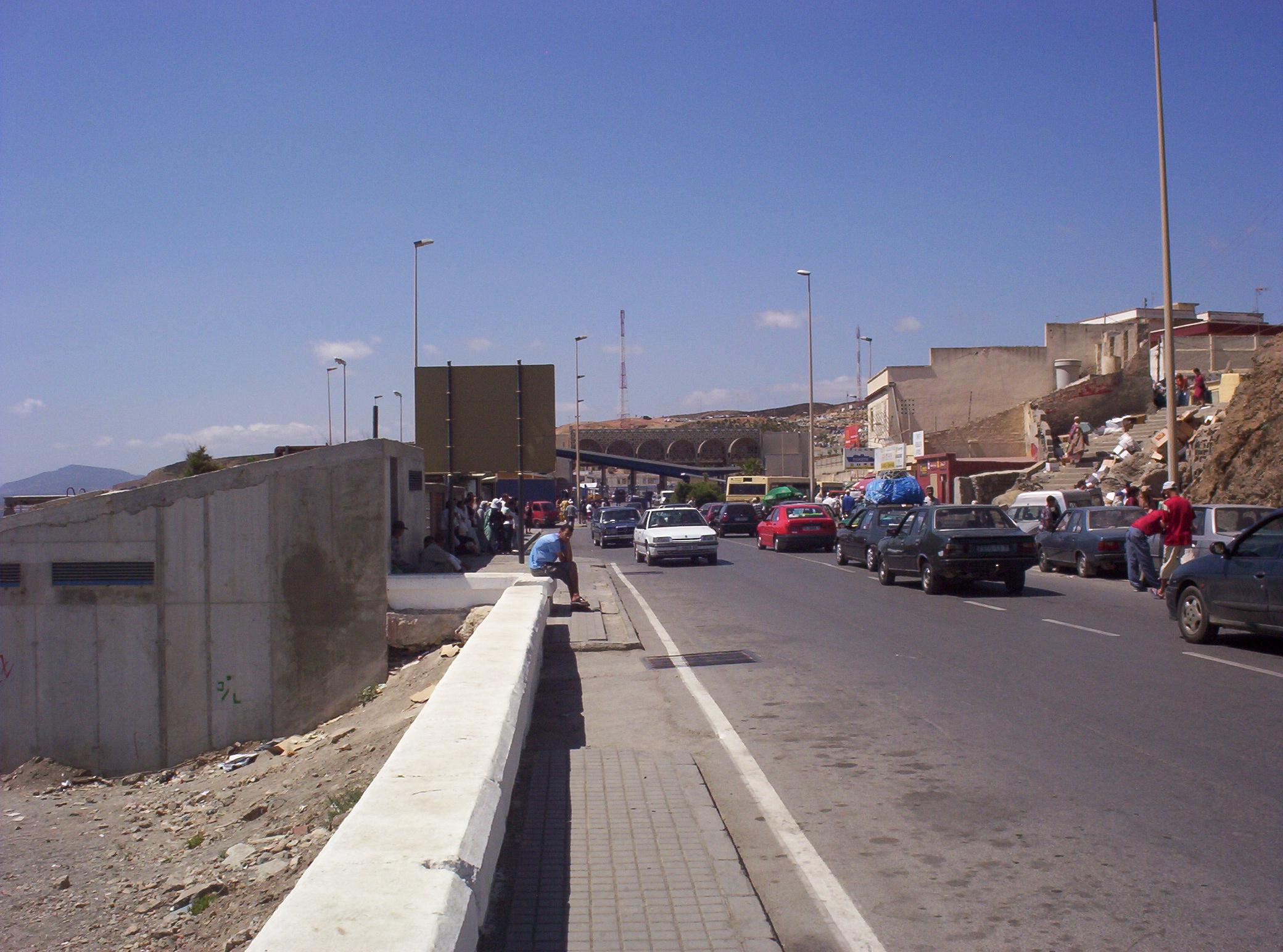
Thousands of Moroccan migrants have voluntarily returned to Morocco after a massive surge into the Spanish enclave of Ceuta this week [1], [2].
The movement underscores the legal barriers facing irregular migrants, as entry into the enclave does not grant the right to remain in Spain or travel further into the European Union [5].
Spanish officials said that up to 60,000 migrants entered Ceuta during the surge [1]. In a single day, approximately 49,000 people crossed the border via land and sea [2]. The influx resulted in a significant loss of life, with Spanish officials saying 67 people died [3], though other reports place the death toll at 57 [2]. Some reports specifically noted that 41 people died while swimming toward Spanish shores [4].
Most of the more than 50,000 people who crossed the border chose to return to Morocco within hours of their arrival [2]. This voluntary return followed a security crackdown that made continued movement through the region impossible [5].
Ceuta, a Spanish territory located on the North African coast, has long been a flashpoint for migration. The recent rush saw thousands attempting to breach border fences and swim across the strait to reach European soil. However, the reality of the enclave's restricted status meant that those who successfully entered found themselves unable to progress toward mainland Europe [5].
Spanish security forces managed the return operations as the crowd dissipated. The rapid reversal of the influx follows a pattern where the perceived opportunity of crossing is quickly countered by the strict enforcement of EU migration laws, and the physical isolation of the enclave [2], [5].
“Irregular entry into Ceuta does not grant the right to stay in Spain or travel onward in the EU.”
The rapid voluntary return of thousands of migrants highlights the strategic role of Spanish enclaves as 'buffer zones.' Because Ceuta is geographically in Africa but politically part of the EU, it serves as a primary entry point that does not provide a legal pathway to the European mainland. The high death toll and subsequent returns illustrate the desperation of migrants and the effectiveness of security lockdowns in preventing irregular migration from transitioning into permanent residency.