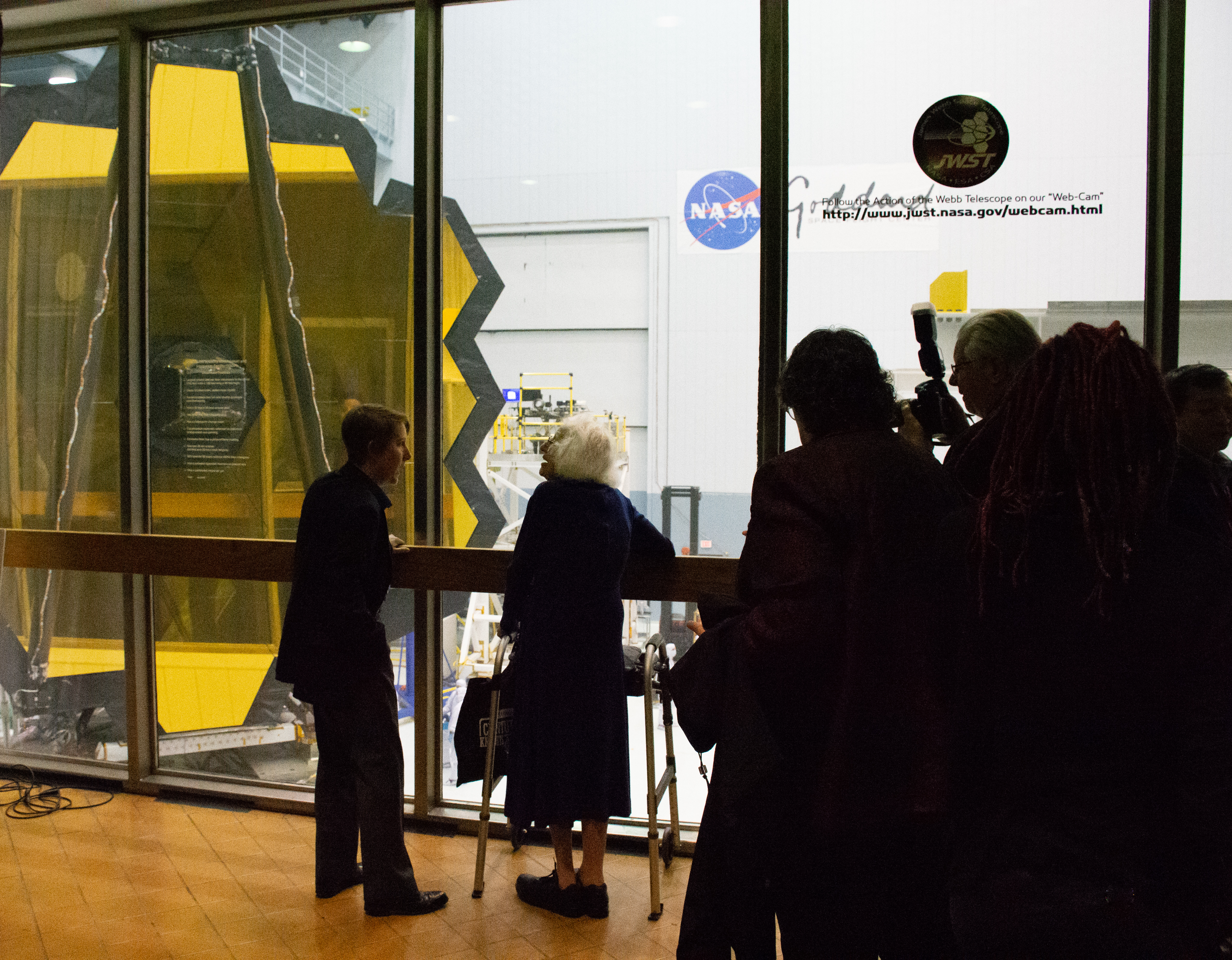
NASA will launch the Nancy Grace Roman Space Telescope in August [2].
The mission represents a significant leap in astronomical capabilities by allowing scientists to survey the universe much faster than previous instruments. While other telescopes focus on narrow, deep views of specific targets, this observatory is built for breadth.
The project carries a total cost of $4.3 billion [1]. This investment supports the development of a system capable of capturing sweeping images of the cosmos at a rapid pace [2]. By covering larger areas of the sky in a single observation, the telescope will help researchers identify rare celestial objects, and map the distribution of dark matter.
NASA designed the instrument to complement other existing space observatories. The wide-field imaging capability allows the agency to conduct large-scale surveys that can then be followed up with more detailed studies from other telescopes, a strategy that maximizes the efficiency of space-based observation.
The August launch window marks the culmination of years of engineering and funding [2]. The telescope's ability to process vast amounts of visual data will provide a more comprehensive understanding of how the universe evolved over billions of years.
Officials said the telescope is intended to provide the fastest imaging capabilities ever deployed for a mission of this scale [2]. This speed is critical for capturing transient events and mapping the expansive structure of the deep sky.
“The project carries a total cost of $4.3 billion.”
The deployment of the Nancy Grace Roman Space Telescope shifts the focus of space observation from pinpointing individual galaxies to analyzing the large-scale structure of the universe. By prioritizing wide-field imaging, NASA can identify cosmic anomalies and trends across vast regions of space, providing the necessary data to refine theories on dark energy and the expansion of the cosmos.


