Pakistan's federal government has tasked the Federal Board of Revenue (FBR) with collecting Rs15.26 trillion in taxes for fiscal year 2026-27 [1].
This aggressive target is designed to close critical fiscal gaps and provide necessary funding for the upcoming national budget. The move signals the government's intent to broaden its tax base and increase domestic resource mobilization to stabilize the economy.
To support this goal, the government unveiled new revenue-raising measures estimated to generate Rs650 billion [1]. These measures are intended to supplement existing tax frameworks and ensure the FBR can meet the ambitious collection threshold [2].
Officials said the target is necessary to address the country's ongoing financial challenges. The strategy involves a combination of new levies and more efficient collection processes across various sectors of the economy.
Analysts said the FY2026-27 target is highly ambitious [2]. The success of these measures depends on the FBR's ability to implement the new Rs650 billion framework without stifling economic growth or facing significant legal challenges from taxpayers.
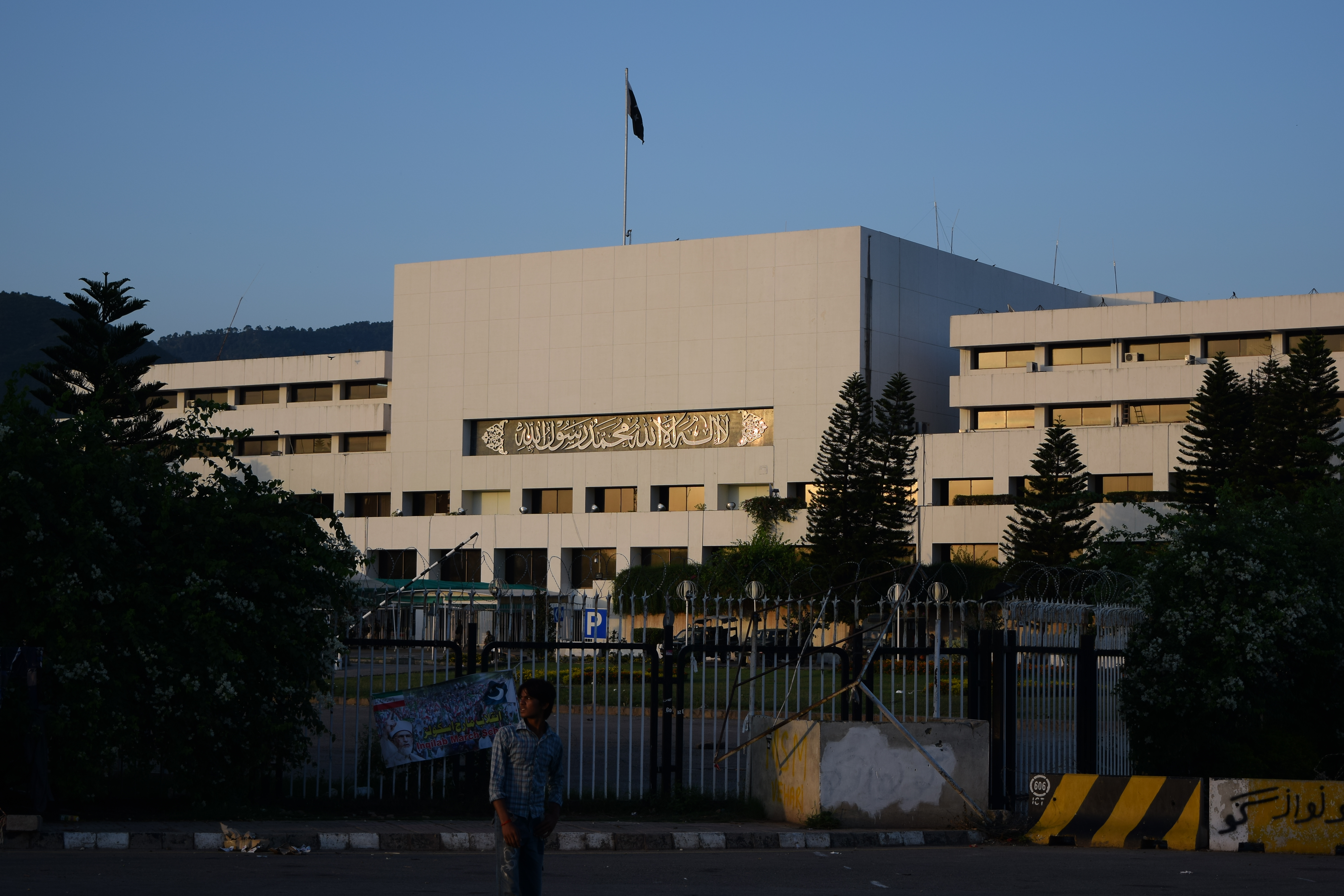
The FBR remains the primary agency responsible for the execution of these targets, operating under the direction of the federal government in Islamabad [1].
“Pakistan's federal government has tasked the Federal Board of Revenue (FBR) with collecting Rs15.26 trillion in taxes.”
The scale of this tax target reflects Pakistan's urgent need to reduce its reliance on external borrowing and stabilize its macroeconomic position. However, the gap between current collection levels and the Rs15.26 trillion goal suggests a high risk of fiscal shortfall if the new Rs650 billion in measures fail to materialize or if economic volatility hinders compliance.
'%2F%3E%0A%20%20%20%20%3Crect%20width%3D'1600'%20height%3D'900'%20fill%3D'url(%23v)'%2F%3E%0A%20%20%20%20%3Cg%20opacity%3D'0.08'%20fill%3D'%23ffffff'%3E%0A%20%20%20%20%20%20%3Ccircle%20cx%3D'1420'%20cy%3D'180'%20r%3D'220'%2F%3E%0A%20%20%20%20%20%20%3Ccircle%20cx%3D'1500'%20cy%3D'760'%20r%3D'120'%2F%3E%0A%20%20%20%20%3C%2Fg%3E%0A%20%20%20%20%3Cline%20x1%3D'80'%20y1%3D'172'%20x2%3D'220'%20y2%3D'172'%20stroke%3D'%23ffffff'%20stroke-width%3D'3'%20stroke-opacity%3D'0.6'%2F%3E%0A%20%20%20%20%3Ctext%20x%3D'80'%20y%3D'140'%20font-family%3D'Inter%2C%20-apple-system%2C%20Helvetica%2C%20sans-serif'%20font-weight%3D'700'%20font-size%3D'28'%20fill%3D'%23ffffff'%20letter-spacing%3D'6'%3EHANNA%20%C2%B7%20NEWS%3C%2Ftext%3E%0A%20%20%20%20%3Ctext%20x%3D'80'%20y%3D'230'%20font-family%3D'Inter%2C%20-apple-system%2C%20Helvetica%2C%20sans-serif'%20font-weight%3D'600'%20font-size%3D'40'%20fill%3D'%23ffffffb3'%20letter-spacing%3D'4'%3EWORLD%3C%2Ftext%3E%0A%20%20%20%20%3Ctext%20x%3D'80'%20y%3D'622'%20font-family%3D'Playfair%20Display%2C%20Georgia%2C%20serif'%20font-weight%3D'800'%20font-size%3D'86'%20fill%3D'%23ffffff'%20letter-spacing%3D'-1'%3ESteven%20Spielberg%20Promotes%3C%2Ftext%3E%3Ctext%20x%3D'80'%20y%3D'721'%20font-family%3D'Playfair%20Display%2C%20Georgia%2C%20serif'%20font-weight%3D'800'%20font-size%3D'86'%20fill%3D'%23ffffff'%20letter-spacing%3D'-1'%3ENew%20Alien%20Conspiracy%20Film%3C%2Ftext%3E%3Ctext%20x%3D'80'%20y%3D'820'%20font-family%3D'Playfair%20Display%2C%20Georgia%2C%20serif'%20font-weight%3D'800'%20font-size%3D'86'%20fill%3D'%23ffffff'%20letter-spacing%3D'-1'%3EDisclosure%20Day%3C%2Ftext%3E%0A%20%20%20%20%3Ctext%20x%3D'80'%20y%3D'870'%20font-family%3D'Inter%2C%20-apple-system%2C%20Helvetica%2C%20sans-serif'%20font-weight%3D'500'%20font-size%3D'22'%20fill%3D'%23ffffff66'%20letter-spacing%3D'2'%3Enews.hanna-ai.com%3C%2Ftext%3E%0A%20%20%3C%2Fsvg%3E)