Pop Mart International Group Ltd. is expanding its Labubu intellectual property into feature films, theme parks, and exhibitions [1, 2, 3].
This shift marks a strategic transition for the Beijing-based company as it attempts to move beyond the collectible toy market. By diversifying into entertainment and tourism, Pop Mart aims to ensure the long-term viability of its characters and create a sustainable cultural ecosystem [1, 2].
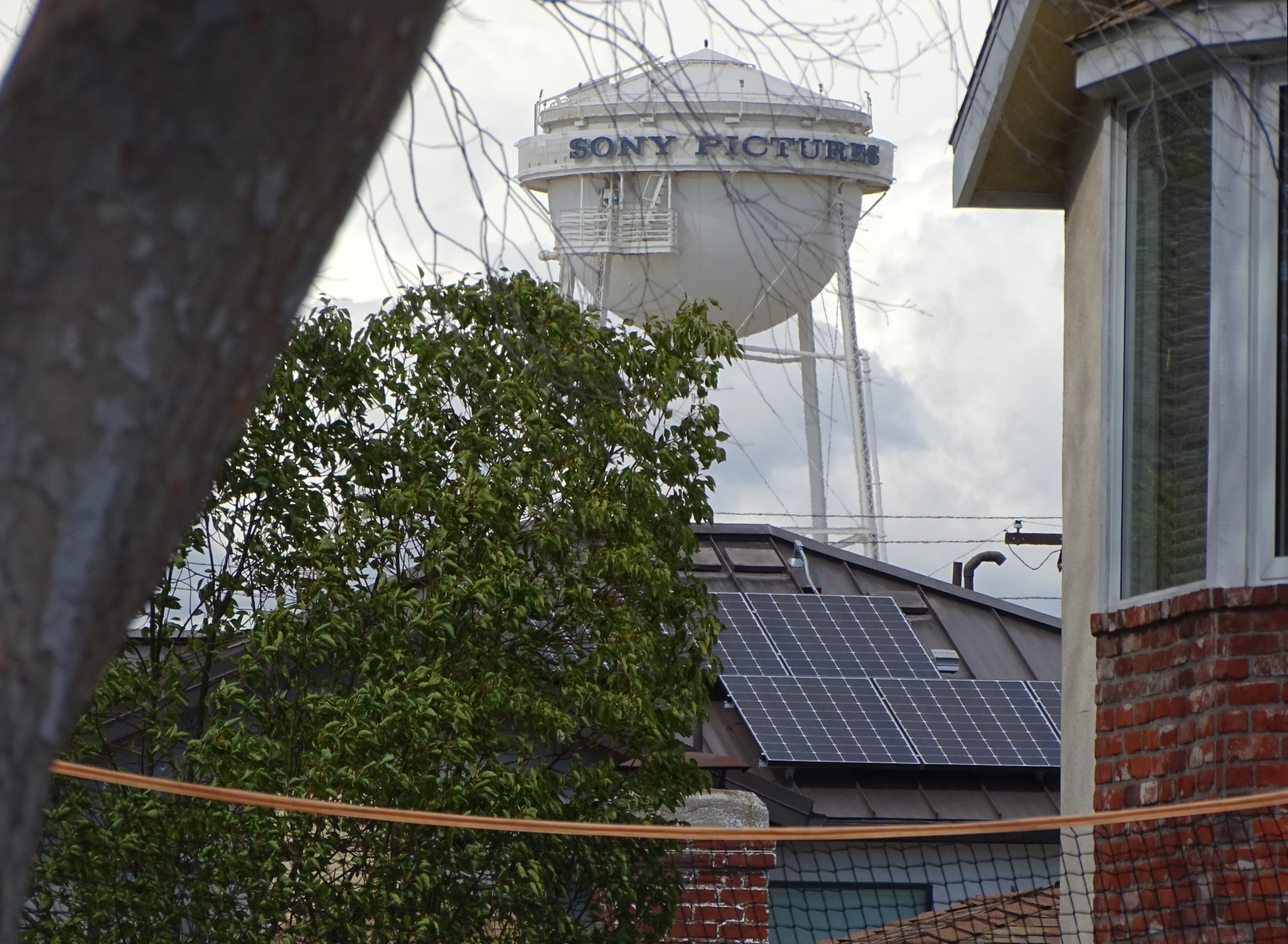
As part of this expansion, Pop Mart announced a partnership with Sony Pictures Entertainment on March 19, 2026 [2, 4]. The collaboration will focus on bringing the Labubu character to the cinema. A spokesperson for Sony Pictures Entertainment said, "We are excited to bring Labubu's unique charm to the big screen" [2].
Si De, Pop Mart's Chief Operating Officer, said the company is focused on building an ecosystem around its IPs rather than just selling toys [1]. He said the goal is turning Labubu into a cultural icon that lives beyond the toy shelf [2].
Despite the ambitious growth plans, the market reacted negatively to the news. Pop Mart shares fell by more than 30% following the announcement of the film partnership [4].
The company's broader strategy involves moving away from a reliance on physical product sales, a move intended to hedge against the volatility of toy trends. By integrating theme park projects and exhibitions, the company seeks to deepen consumer engagement and increase the longevity of its brand assets [1, 2].
“"Our disciplined strategy is to build an ecosystem around our IPs, not just sell toys."”
Pop Mart is attempting to replicate the 'Disney model' by evolving from a product manufacturer into a comprehensive entertainment entity. While the move toward films and theme parks could create diversified revenue streams, the sharp decline in share price suggests investor skepticism regarding the company's ability to successfully transition from retail success to cinematic and experiential storytelling.


