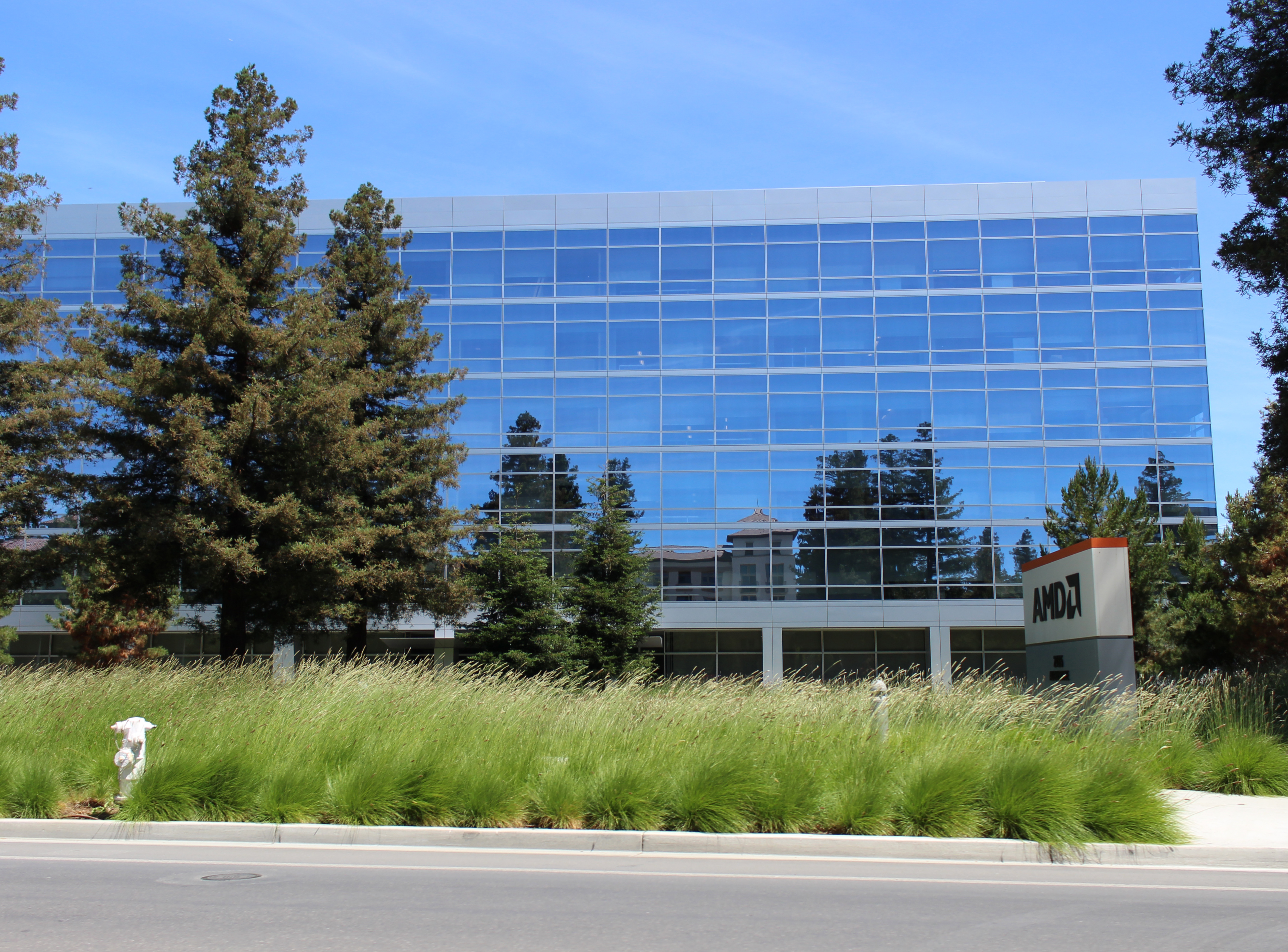
Rackspace Technology signed a definitive agreement with Advanced Micro Devices to deploy an initial 30 MW of AI compute capacity [1].
This strategic pivot signals a shift toward high-growth artificial intelligence services, aiming to modernize infrastructure while reducing operational overhead. The simultaneous announcement of job cuts suggests the company is prioritizing capital investment in hardware over human labor to remain competitive in the AI sector.
As part of this transition, Rackspace announced it will fire approximately 15% of its employees [2]. The workforce reduction coincides with the effort to streamline operations as the company pursues a more aggressive AI-centric business model [3].
Investors responded positively to the news, and Rackspace's stock price rose following the dual announcement of the AMD partnership and the staff cuts [1]. The 30 MW deployment will utilize AMD-powered compute to expand the company's capacity to handle complex AI workloads [1].
This move follows a broader trend among cloud service providers to integrate specialized AI accelerators into their data centers. By partnering with AMD, Rackspace seeks to diversify its hardware stack and increase the efficiency of its compute offerings [4].
The company is positioning itself to capture a larger share of the enterprise AI market by offering scalable infrastructure. This realignment of resources, shifting from a larger general workforce to specialized AI capacity, is intended to improve the company's long-term financial health and technical capabilities [5].
“Rackspace Technology signed a definitive agreement with Advanced Micro Devices to deploy an initial 30 MW of AI compute capacity.”
The alignment of a major infrastructure expansion with significant layoffs indicates that Rackspace is undergoing a fundamental transformation. By trading a portion of its workforce for specialized AI compute power, the company is betting that automation and AI-driven services will generate more value than traditional managed services. This reflects a wider industry trend where legacy cloud providers must aggressively pivot toward AI hardware to avoid obsolescence.