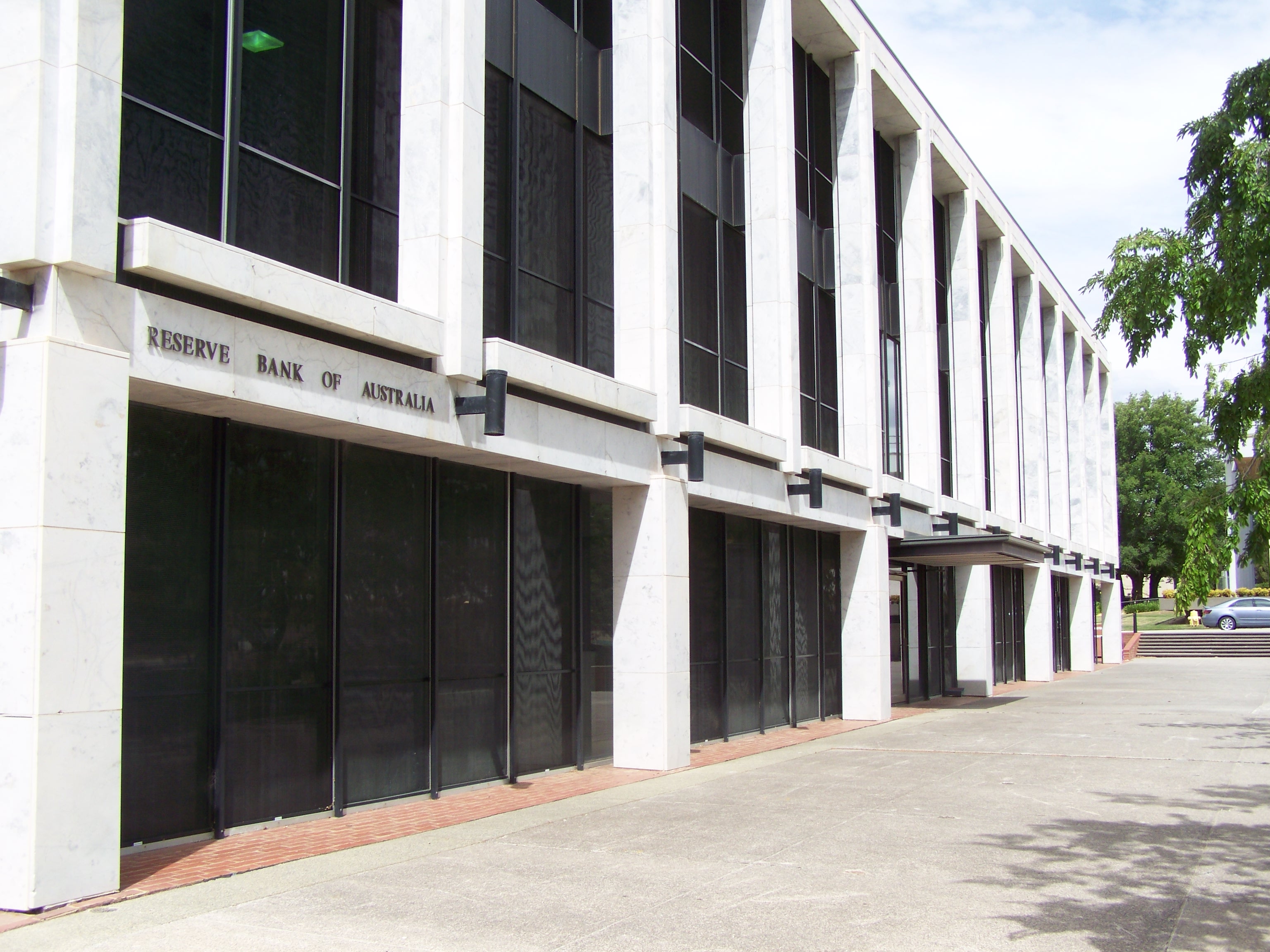
The Reserve Bank of Australia unanimously decided to keep the official cash rate steady at 4.35% [1].
This decision reflects the central bank's attempt to balance economic growth with the need to curb persistent price increases. By maintaining the current rate, the RBA is signaling a cautious approach to monetary policy while monitoring whether previous tightening measures are sufficient to stabilize the economy.
The RBA said inflation was "still too high" [2]. The bank maintained the rate to ensure price stability, noting that the current level is necessary to bring inflation back within its target range [2], [4]. This move follows a period of aggressive tightening, including three consecutive hikes earlier this year [3].
Despite the pause, the bank said that future interest rate hikes are not off the table [2]. The RBA said that another increase remains possible if inflation does not decline as expected [4]. However, the bank said that the tone remains even‑handed [1]—suggesting it is prepared to react to data in either direction.
Market data shows that Australian consumer inflation in April held steady [5]. This lack of movement in inflation figures contributes to the RBA's cautious stance. While the bank remains open to further hikes, some analysts cited by Reuters said rate cuts are still in view [5].
The decision was reached in Sydney, where the board determined that the current policy remains restrictive enough to influence consumer behavior without triggering a severe economic downturn [5]. The board's unanimous agreement highlights a consensus on the current risks to the Australian economy [1].
“The Reserve Bank of Australia unanimously decided to keep the official cash rate steady at 4.35%”
The RBA is currently in a 'wait-and-see' mode, attempting to avoid the mistake of cutting rates too early and risking a second wave of inflation, or hiking too far and causing a recession. The contradiction between the bank's warning of future hikes and analyst expectations of cuts suggests significant uncertainty in the market regarding the peak of the current interest rate cycle.