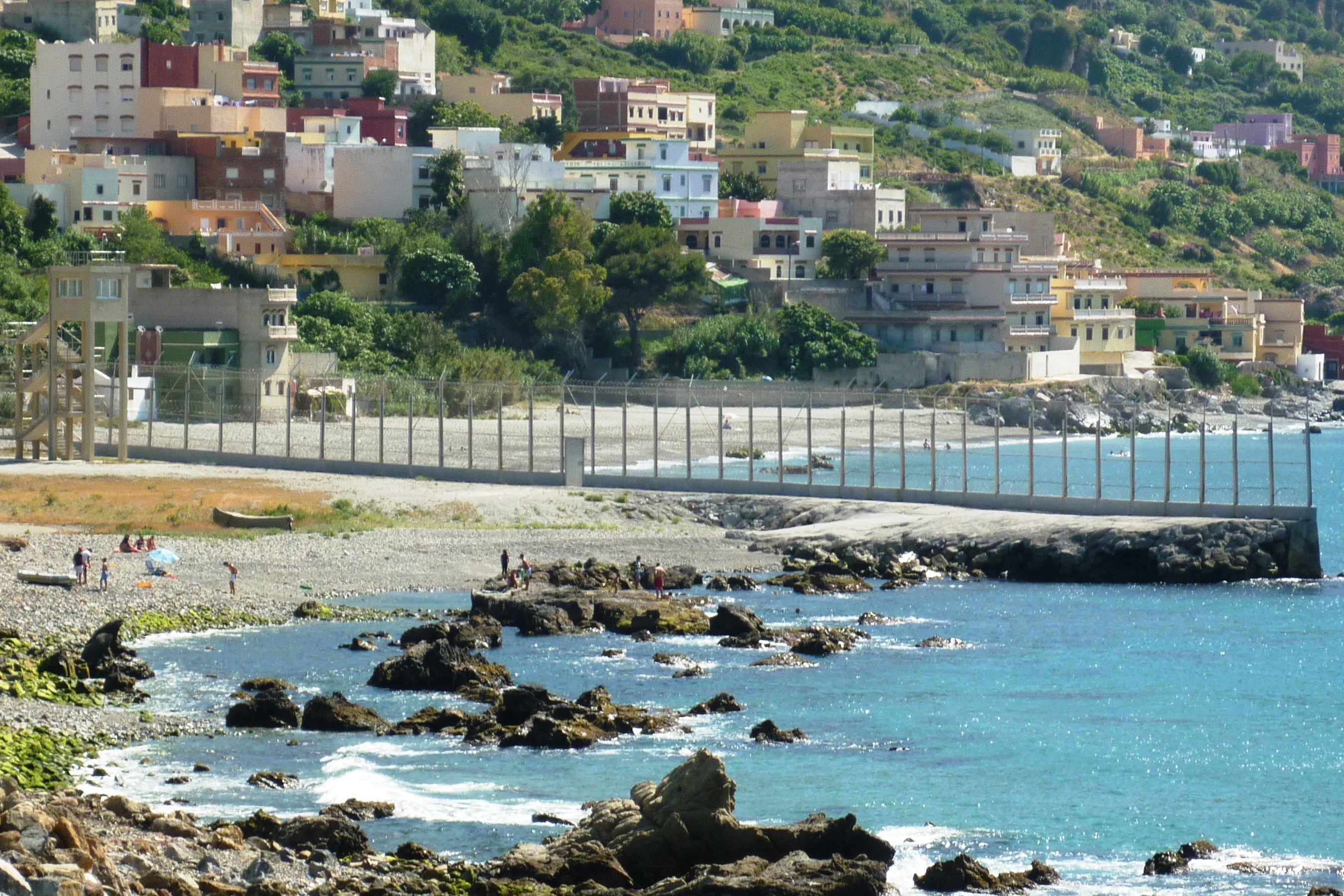
Spanish Prime Minister Pedro Sánchez denounced the mass arrival of migrants in Ceuta on Friday as a violation of Spain's territorial integrity.
The incident marks a severe escalation in border tensions between Spain and Morocco. By framing the migration surge as an attack on sovereignty, the Spanish government signals that it views the movement of people as a geopolitical tool rather than a purely humanitarian crisis.
Sánchez said the situation constitutes "une violation de l'intégrité territoriale de l'Espagne" [1]. The prime minister said the influx was "une attaque contre notre intégrité territoriale" [2] while addressing the crisis in the enclave.
Ceuta, a Spanish territory located on the African continent bordering Morocco, has faced intense pressure over the previous days. Approximately 60,000 migrants [1] entered the enclave illegally from Morocco, with some reports indicating they arrived by swimming [3].
The human cost of the crossing has been significant. At least 34 people died during the attempt to enter the territory [1].
Spanish authorities are currently managing the surge of people within the enclave. The government has not yet detailed specific diplomatic or military responses to the breach of the border, but the rhetoric from the prime minister suggests a shift toward viewing the border security of Ceuta as a matter of national defense.
“une violation de l'intégrité territoriale de l'Espagne”
The classification of a migration event as a 'violation of territorial integrity' elevates the situation from a border management issue to a national security threat. This language may be used to justify more aggressive border enforcement or to seek diplomatic and security support from European Union partners to stabilize the North African enclave.