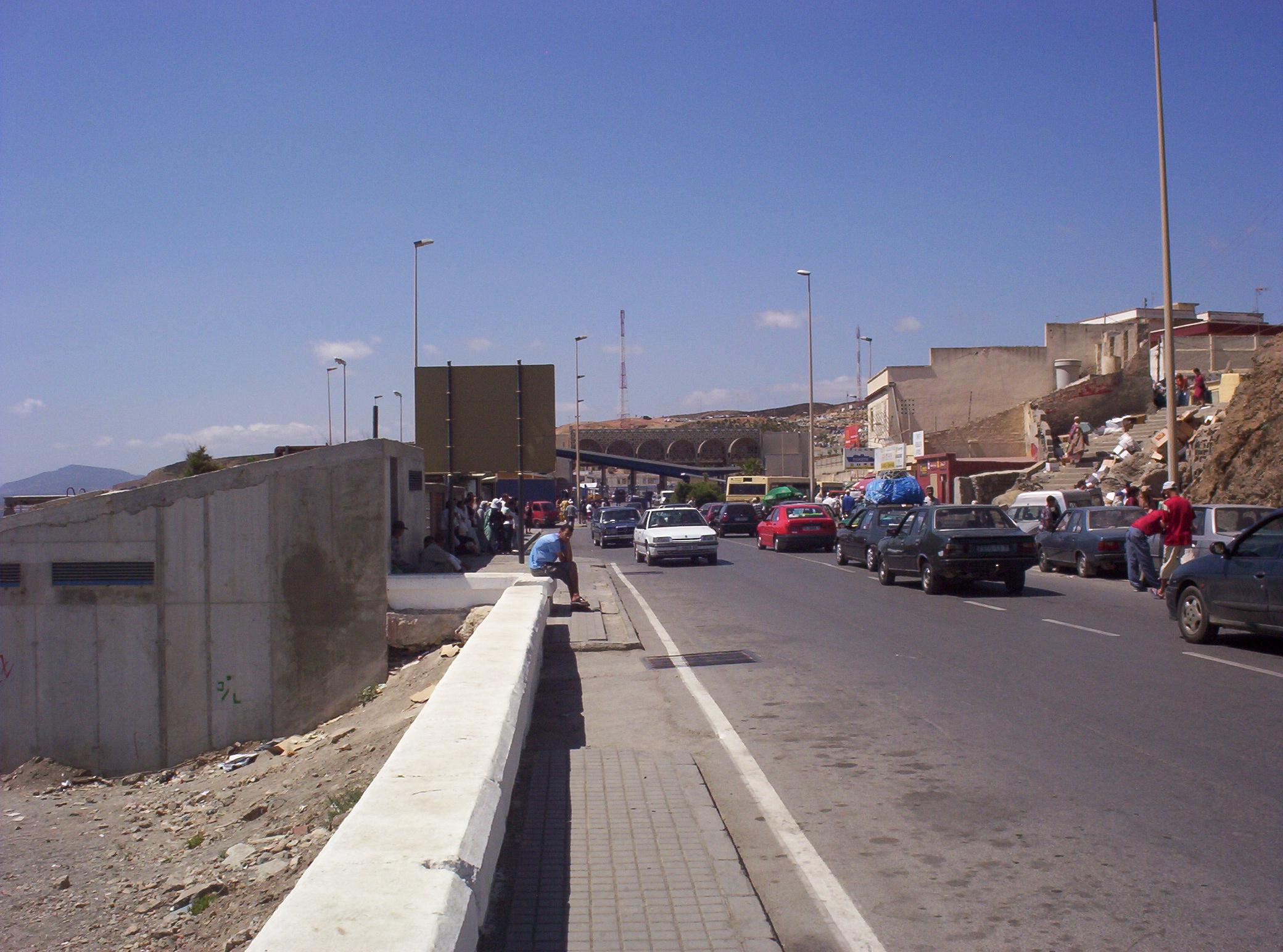
Spanish authorities began installing a floating barrier on the sea border of the enclave of Ceuta on Saturday to prevent migrant crossings [1].
The move follows a significant security crisis at the border between the Spanish exclave and neighboring Morocco. The installation represents a physical escalation in border enforcement intended to deter thousands of people from attempting to enter Spain via the Mediterranean.
The Spanish government and Interior Ministry initiated the project in response to a surge of more than 50,000 migrants who crossed from Morocco into Ceuta [2]. The scale of the migration event prompted the government to seek more permanent infrastructure to secure the maritime boundary.
The new floating barrier extends for 500 meters, or approximately 1,640 feet [3]. This structure is designed to block small vessels and swimmers from crossing the narrow stretch of water that separates the two territories.
Spanish officials said the barrier is a necessary measure to maintain order and security at the border. The deployment comes as the government continues to manage the logistical and humanitarian challenges associated with the recent influx of thousands of people.
Ceuta, a small Spanish territory on the north coast of Africa, has long been a flashpoint for migration. The sea border is one of the few remaining permeable points for those attempting to reach the European Union from Africa.
“Spanish authorities began installing a floating barrier on the sea border of the enclave of Ceuta”
The installation of a physical maritime barrier signals a shift toward more restrictive border policies by Spain. By hardening the sea border in response to a surge of 50,000 people, Spain is prioritizing deterrence over diplomatic or humanitarian processing. This move may increase the pressure on other migration routes and could potentially strain diplomatic relations with Morocco, which shares the border and manages the movement of people in the region.


