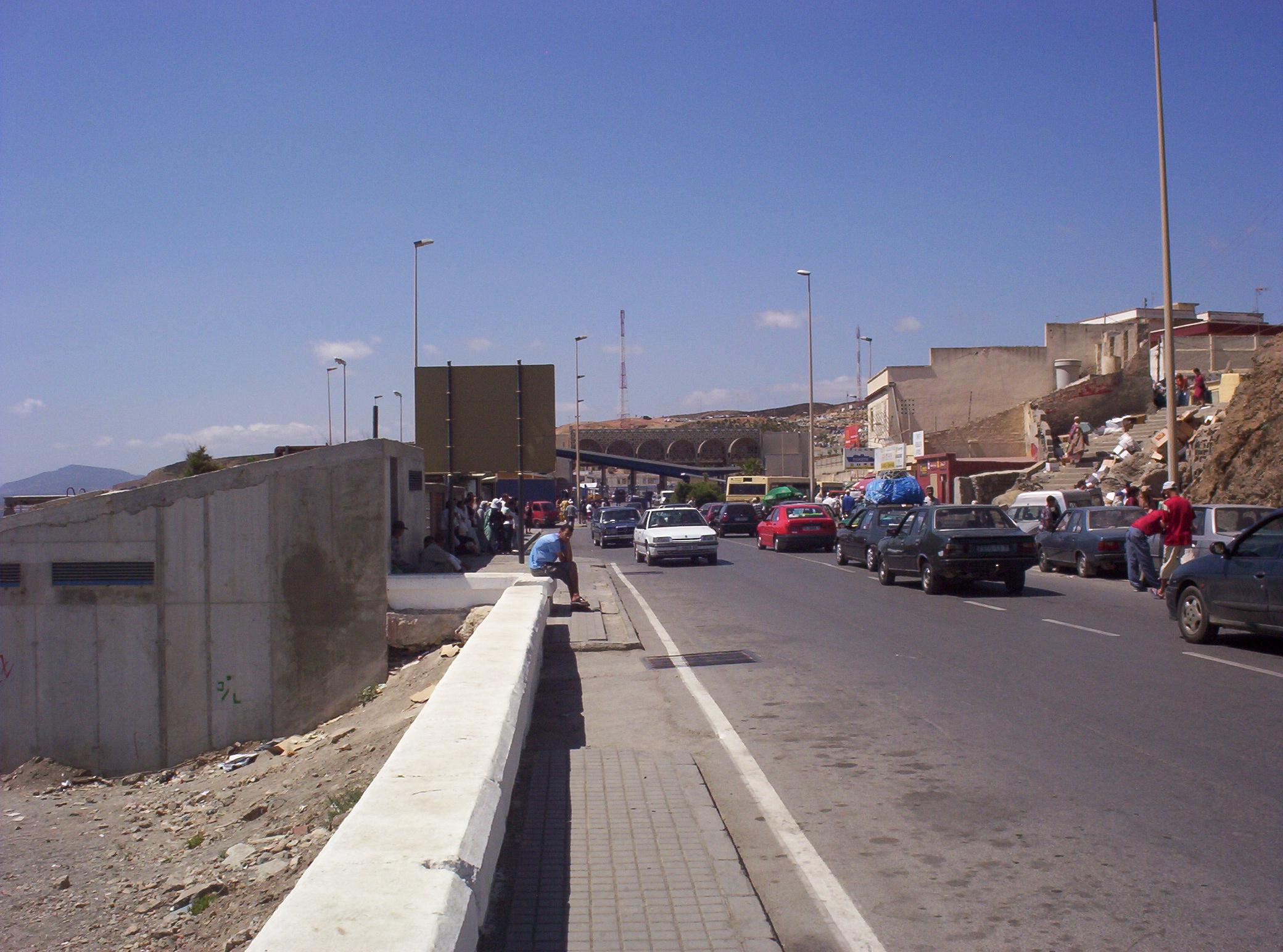
Spanish authorities deployed the army to the enclave of Ceuta on Thursday, July 30, after a massive illegal influx of migrants [1].
The crisis underscores the fragility of border security in North Africa and the volatility of migration patterns driven by misinformation.
Rumors that the border would be opened at dawn spurred a large crowd to attempt the crossing [2]. This surge created a humanitarian emergency in the Spanish territory, which borders Morocco. The scale of the arrival varies by report, with some sources citing several hundred people [3], while others report thousands [4].
Spanish soldiers were sent as reinforcement to assist local authorities in managing the crowds and securing the perimeter [1]. The sudden arrival of people has strained local infrastructure, and CNews said, "Les centres d'accueil sont débordés" [5].
Beyond the land crossing, the region has seen a steady increase in maritime arrivals. Franceinfo said that more than 1,500 people arrived by swimming from Morocco in recent days [6].
The chaos at the border has resulted in fatalities. La Presse said that nine people died during the influx [7].
Spanish officials are currently working to stabilize the situation in the enclave. The deployment of military personnel is intended to prevent further illegal entries and provide the necessary logistics to handle the displaced populations [1].
“"Les centres d'accueil sont débordés"”
The situation in Ceuta highlights how rapidly social media or word-of-mouth rumors can trigger large-scale humanitarian crises at international borders. By deploying the army, Spain is treating the influx not only as a migration issue but as a security emergency, reflecting the high tension and logistical difficulty of managing a small enclave with a porous land border.


