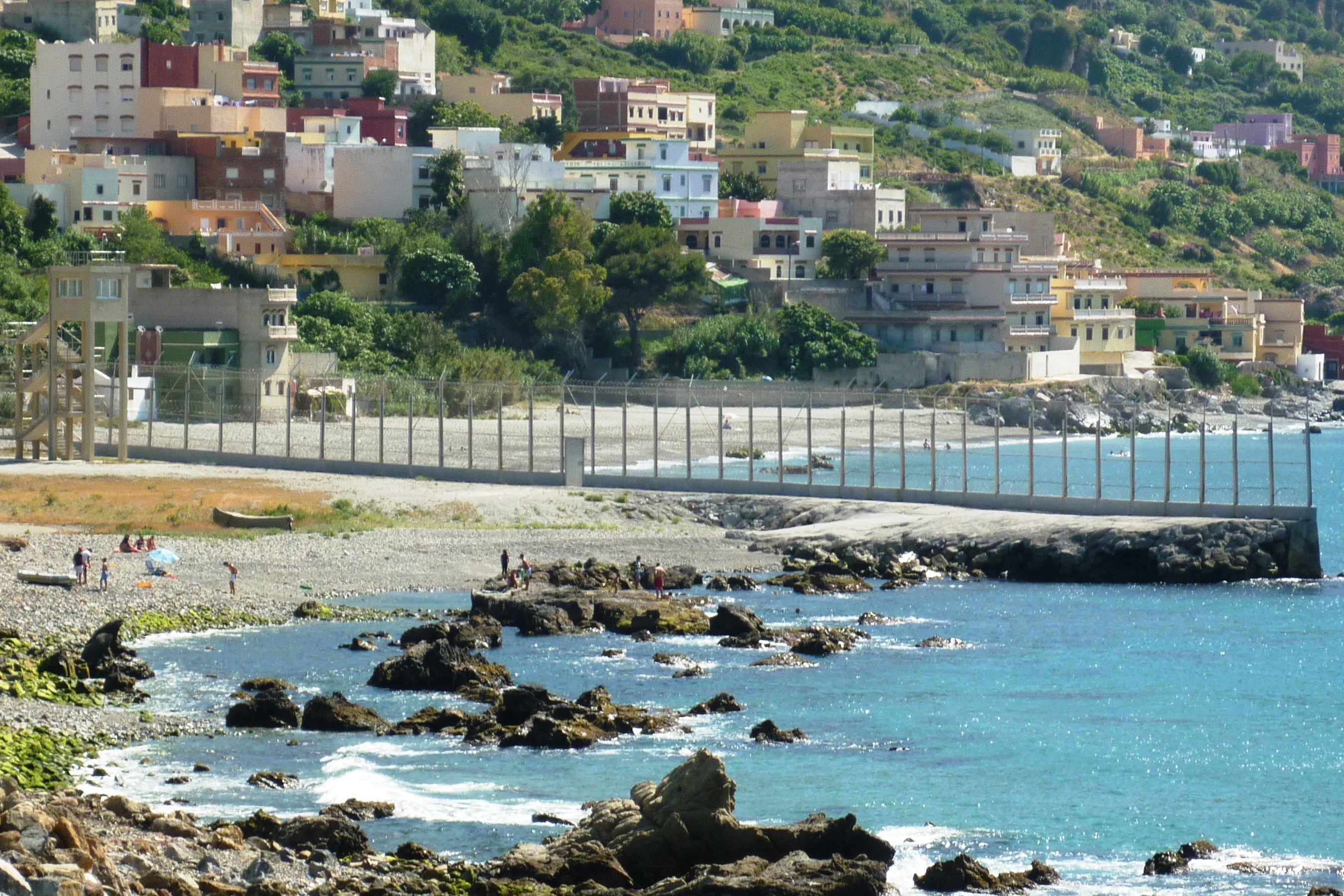
Spain has deployed military units to the enclave of Ceuta after hundreds of migrants swam from Morocco to reach the Spanish coast [1], [2].
The sudden influx has overwhelmed the small territory's reception capacity, forcing the Spanish government to intervene to maintain order and coordinate rescue operations [1], [3].
During the week of May 13-19, 2026, more than 1,500 migrants arrived in Ceuta [4]. While some reports indicate several hundred individuals attempted the swim across the water [1], the total number of arrivals for the week reached a scale that local authorities described as unprecedented [5].
Juan Jesús Vivas, the mayor of Ceuta, said the number of people arriving is beyond the resources available on the ground. He said the city is overwhelmed [5].
In response to the crisis, Spain's Interior Minister Fernando Grande-Marlaska ordered the deployment of troops to the region. He said the military would support the civil guard in rescue operations and restore order [3].
The Red Cross in Ceuta described the situation as an unprecedented wave of people attempting to cross the water within a single week [5]. The migrants are seeking asylum in Europe, using the narrow crossing between Morocco and the Spanish enclave to enter the European Union [1], [2].
Spanish army units were ordered to the site to manage the logistics of the arrivals, and assist in the humanitarian response [3]. The operation follows a period of intense migration activity in the Strait of Gibraltar, where migrants face significant risks during the swim [1].
“"We are overwhelmed – the number of people arriving is beyond the resources we have on the ground."”
The deployment of the Spanish military to Ceuta underscores the fragility of border management in North African enclaves. Because these territories serve as direct gateways to the EU, sudden surges in migration can quickly outpace local infrastructure, transforming a humanitarian challenge into a national security operation.


