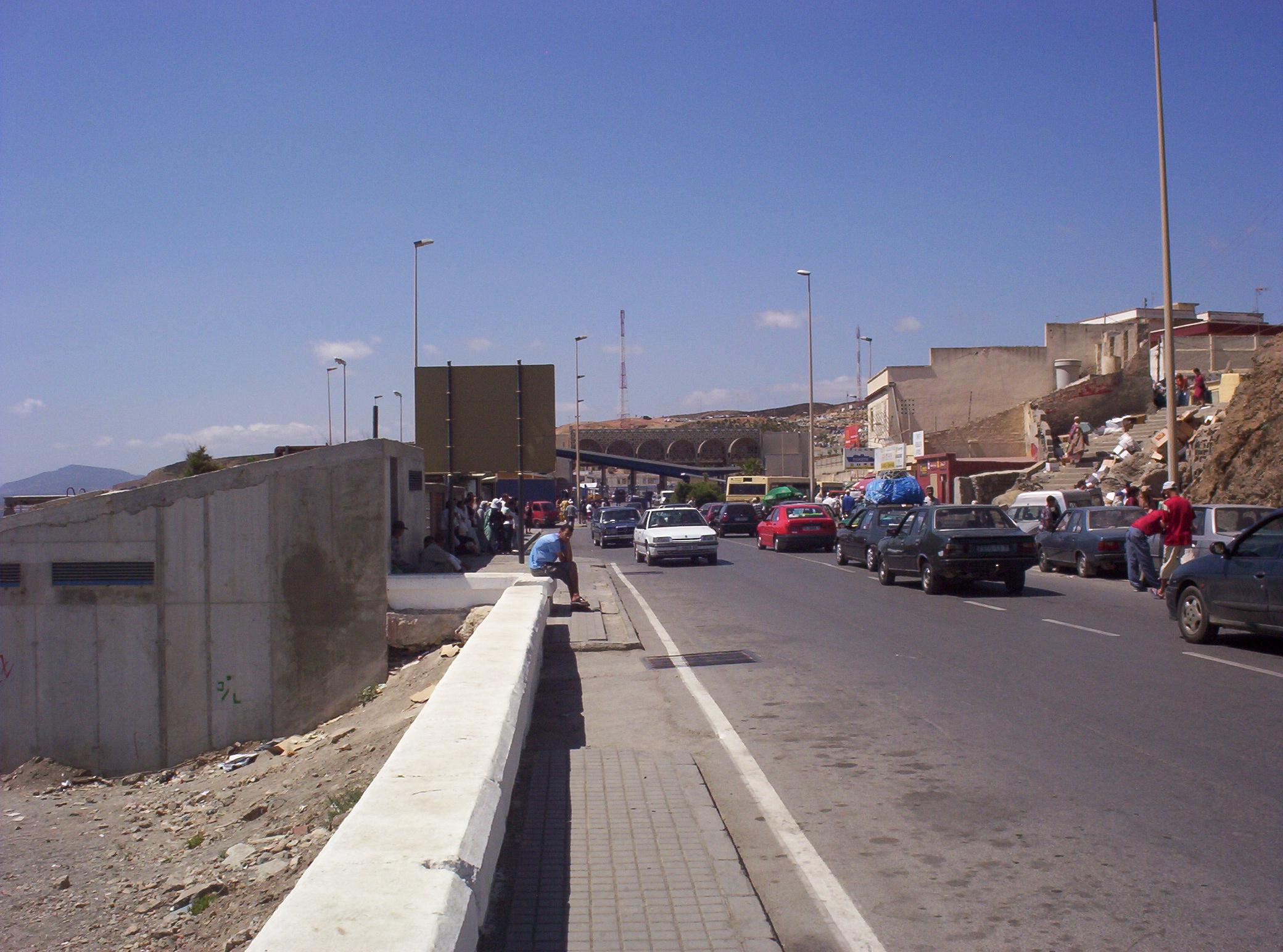
Spain deployed military forces to the enclave of Ceuta after tens of thousands of migrants entered the territory from Morocco on Thursday and Friday [1, 2].
The mass crossing represents a significant security challenge for the European Union's external borders and highlights the ongoing humanitarian risks for those attempting to enter Spain [2, 3].
Approximately 60,000 migrants attempted to enter the Spanish territory [1]. The influx prompted the Spanish government to send in military personnel to support border security and manage the crowds [4]. This deployment follows a surge of people attempting to breach the border fences and swim across the water to reach the enclave [1, 4].
Reports on the casualties resulting from the crossings vary. Global News said 34 died [1], while CBC said 57 died [3]. These fatalities occurred both in the water and at the border crossing points [3].
Ceuta is a Spanish enclave located on the north coast of Africa, sharing a land border with Morocco [2, 3]. Both Spain and Morocco reinforced the border during the event to stop the mass movement of people [2, 4]. The migrants were attempting to reach Spain and the broader European Union [2, 4].
Spanish officials have not provided further details on the current status of the military deployment or the number of migrants currently being processed within the enclave [4].
“Spain deployed military forces to the enclave of Ceuta after tens of thousands of migrants entered the territory.”
The scale of this crossing demonstrates the fragility of the border between Morocco and the EU. The discrepancy in death tolls—ranging from 34 to 57—underscores the chaos of the event and the difficulty of accounting for casualties in high-volume migration surges. The deployment of the military indicates that Spanish authorities view these events as security threats rather than purely humanitarian crises.


