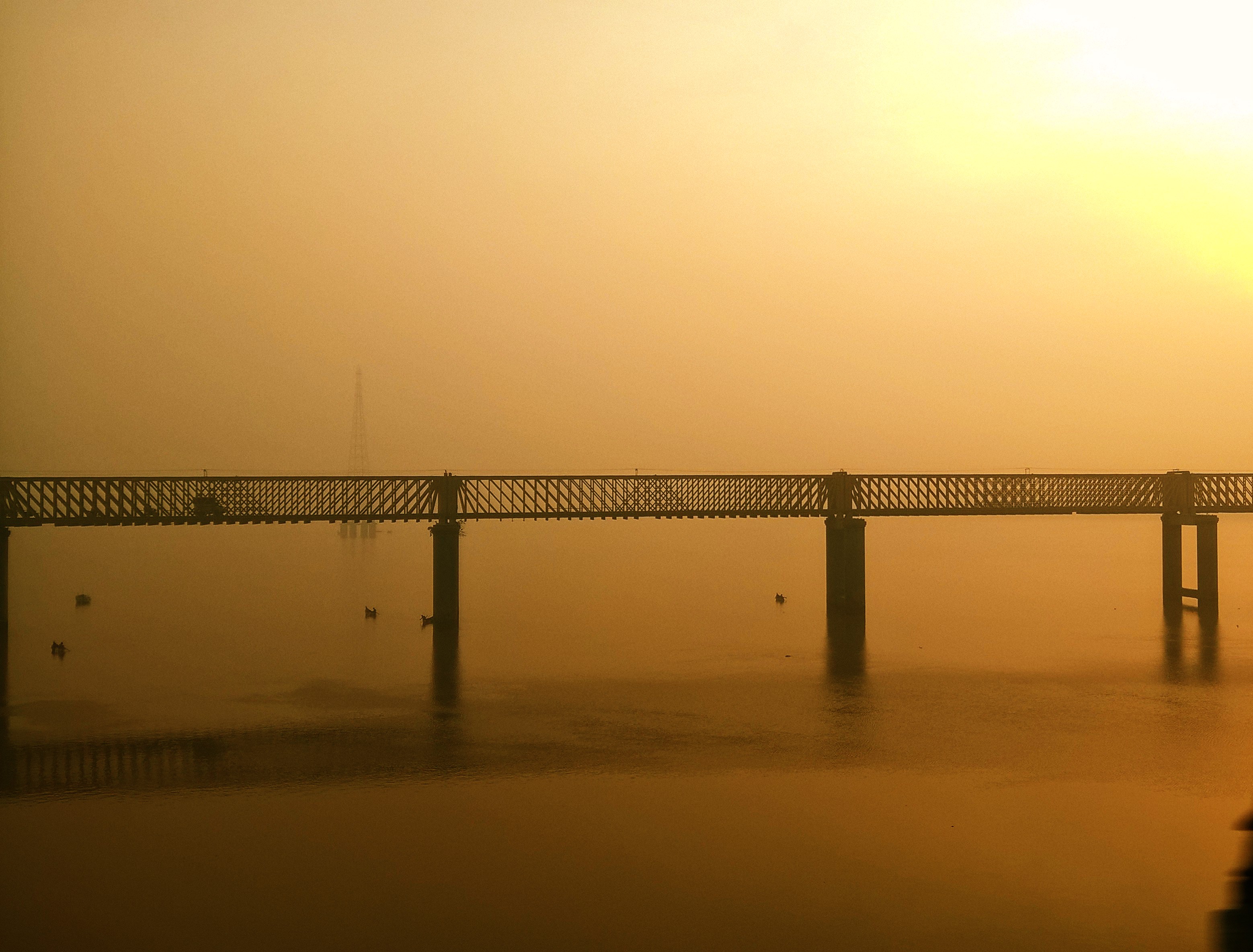
Farmers in Tamil Nadu buried themselves in the sand of the Cauvery River bed to demand the immediate release of water [1, 2].
The protest highlights a deepening crisis over water security in southern India. Because the Kuruvai crop depends on timely irrigation, any delay in water release from Karnataka threatens the livelihoods of thousands of agricultural workers [1, 2].
Led by farmer association leader Ayya Kannu, the group gathered in Tiruchirappalli on the dry riverbed [1, 2]. The demonstrators used the tactic of burying their bodies in the sand to symbolize their desperation and the sterility of the land without water [1, 2].
The protesters are calling for the release of water shares from Karnataka to sustain their irrigation needs [1, 2]. Beyond the immediate need for water, the group is also protesting the Mekedatu dam project, a project they argue will further restrict water flow to Tamil Nadu [1, 2].
This form of protest is part of a long-standing dispute between the two states over the sharing of the Cauvery River's resources [1, 2]. The farmers said that the lack of water is an existential threat to their farming community [1, 2].
Local authorities have monitored the situation as the farmers continue to demand a resolution to the water-sharing deadlock [1, 2]. The protest serves as a visual reminder of the volatility of the region's water politics and the fragility of the agricultural cycle in the face of interstate disputes [1, 2].
“Farmers in Tamil Nadu buried themselves in the sand of the Cauvery River bed”
The Cauvery water dispute is a perennial flashpoint between Karnataka and Tamil Nadu, often escalating during lean monsoon years. By targeting the Mekedatu dam project and demanding immediate releases for the Kuruvai crop, these farmers are highlighting the intersection of infrastructure development and immediate food security. This protest underscores how interstate water-sharing agreements often fail to account for the real-time needs of small-scale farmers on the ground.