President Donald Trump (R-FL) and Iranian President Masoud Pezeshkian signed a memorandum of understanding on Wednesday, June 17, 2026 [1], [2].
The agreement represents a significant attempt to end the long-standing war and hostilities between the U.S. and Iran. By establishing a framework for peace, the two nations seek to stabilize a volatile geopolitical region and reduce the risk of direct military conflict.
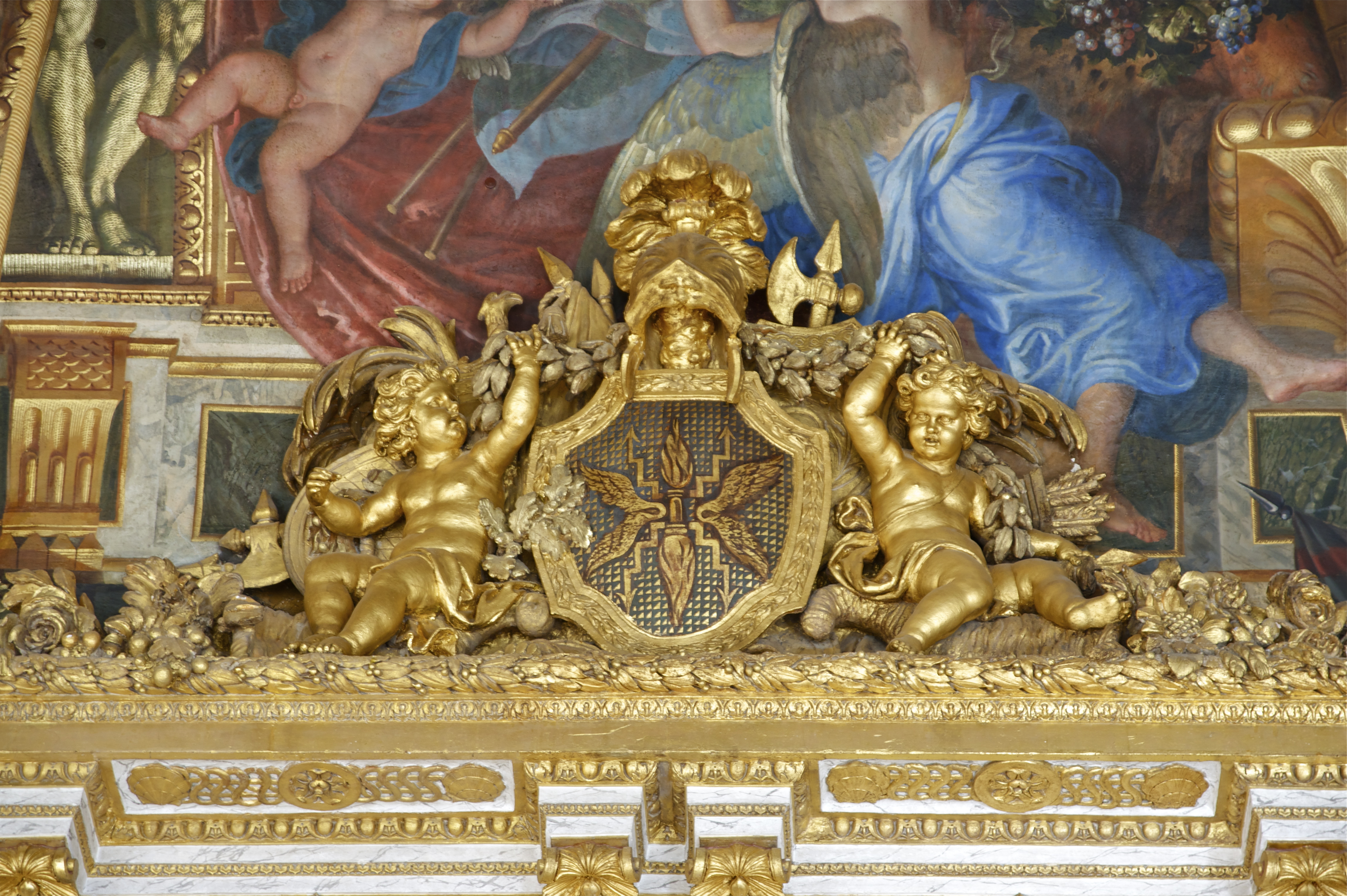
The signing ceremony took place at the Palace of Versailles in France [3], [4], [5]. A U.S. official said the document is a 14-point memorandum of understanding intended to end the war with Iran [1], [2].
Reports indicate the process began earlier in the week. U.S. News reported that Vice President JD Vance (R-OH) and Iranian chief negotiator Mohammad Baqer Qalibaf digitally signed the memorandum on Sunday [1]. This digital preliminary step preceded the formal physical ceremony held on Wednesday.
While the U.S. government describes the move as a way to end hostilities, other reports emphasize that the agreement is a step toward a broader peace deal [1], [6]. The specific timeline for full implementation, and the exact role of the Iranian government in the subsequent phases, remain subjects of ongoing discussion [6].
Trump said the event was progress toward a war-ending deal [6]. The ceremony in France was attended by other officials, including French President Emmanuel Macron [4].
“The agreement is a 14-point memorandum of understanding intended to end the war with Iran.”
This memorandum serves as a diplomatic bridge rather than a final treaty. By utilizing a 14-point framework, the U.S. and Iran are establishing baseline terms for cease-fire and communication. The choice of Versailles as a neutral, high-profile venue suggests an intent to signal a historic shift in relations to the global community, though the effectiveness of the deal will depend on whether both nations adhere to the preliminary points of the MoU.

