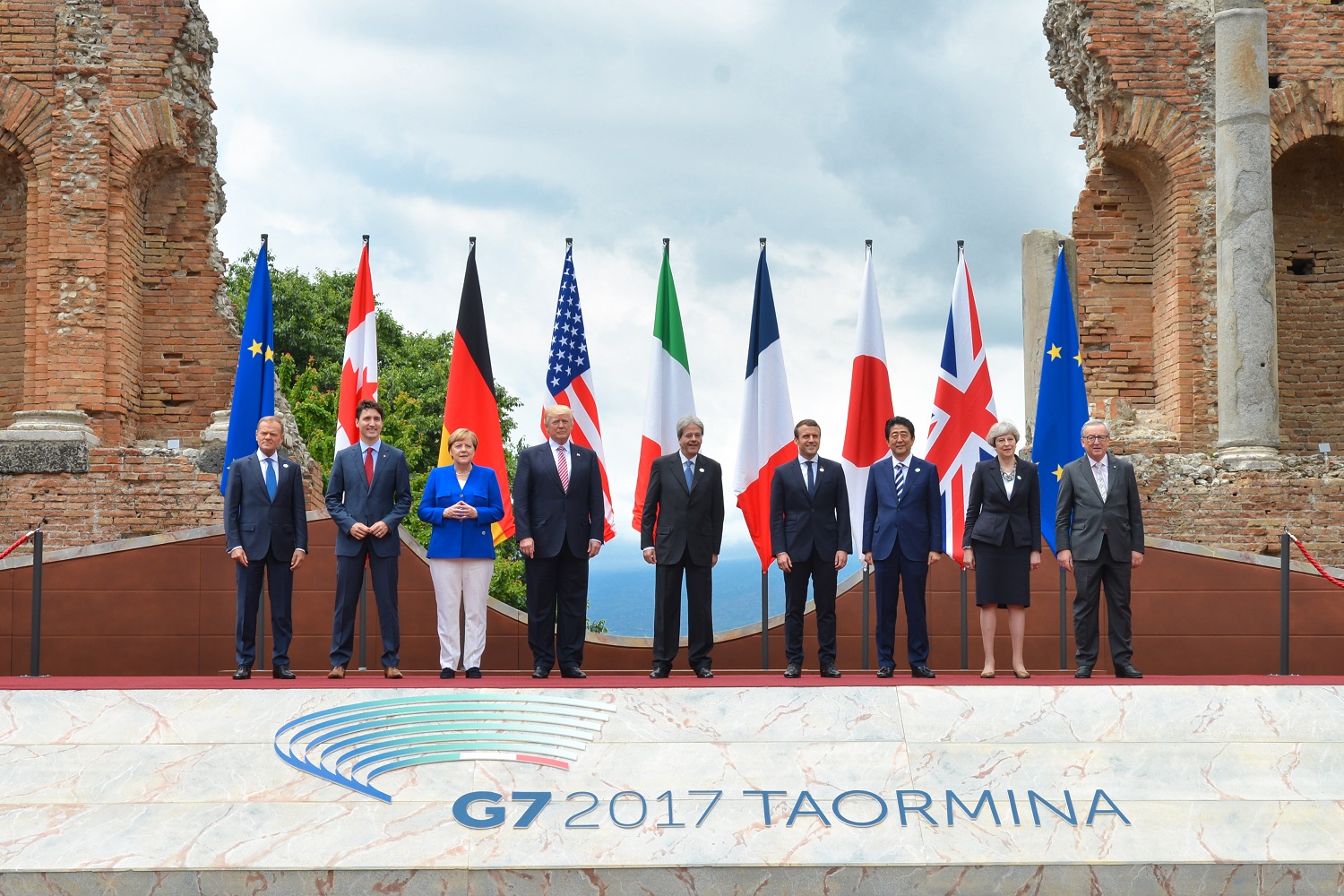
U.S. President Donald Trump and French President Emmanuel Macron said they fielded press questions regarding the Iran war during the G7 summit on Monday [2].
The meeting occurs as global leaders seek clarity on the stability of commercial shipping through the Strait of Hormuz and the status of nuclear negotiations. Because the strait is a critical chokepoint for global oil supplies, any prolonged conflict threatens international energy markets.
The leaders met in Évian‑les‑Bains, France, to discuss the security of the region [3]. The discussions centered on whether a resolution to the conflict is imminent. President Trump, who is 80 years old [1], arrived at the summit following reports of a deal to end the war [4].
However, reports on the status of that agreement vary. Some sources said a tentative deal is expected to bring an end to the fighting, and reopen the Strait of Hormuz [2]. Other reports suggest that allies are still seeking clarity and that no final agreement has been officially announced [3].
The summit marks the first G7 gathering for the U.S. president since the start of the U.S.-Iran war [5]. The press conference focused heavily on the timeline for peace and the immediate safety of maritime vessels in the Persian Gulf.
President Macron and President Trump said they addressed the necessity of allied cooperation to ensure that the Strait of Hormuz remains open to international trade. The two leaders emphasized the importance of diplomatic pressure and security guarantees to stabilize the region.
“Allied leaders were seeking clarity on the status of the Iran nuclear/war situation.”
The discrepancy between reported deals and the lack of a formal announcement suggests a volatile diplomatic environment. If a deal is finalized, it would mitigate a significant global economic risk by securing the Strait of Hormuz; however, the continued demand for clarity from G7 allies indicates that the geopolitical stability of the region remains fragile.


