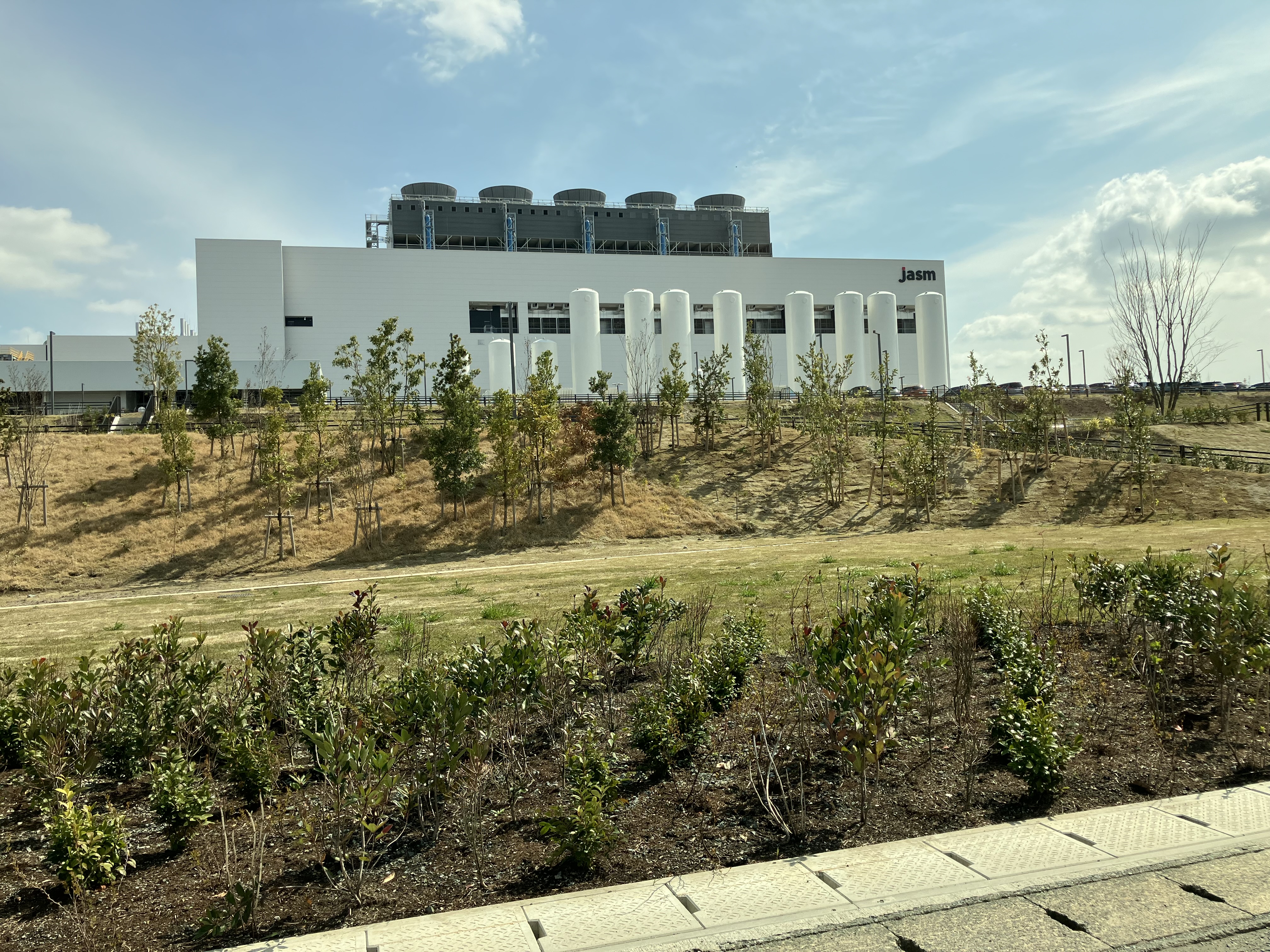
United Microelectronics Corp (UMC) is expanding its production capacity through a US$2 billion [1] capital spending plan.
The investment signals a strategic shift to capture the accelerating demand for AI-driven workloads. As edge-computing applications grow, the company aims to secure a larger share of the high-growth semiconductor market.
The expansion includes the construction of a new wafer fab in southern Taiwan [1]. While the company did not specify the exact city, the project is expected to be located in Tainan [1]. This facility will increase the company's ability to produce the chips required for modern computing infrastructure.
In Singapore, UMC is adding cleanroom capacity specifically for silicon-photonics production [1], [2]. This technology is critical for the high-speed data transmission required by artificial intelligence systems. The company has already begun mass production in Singapore as part of its broader growth strategy [2].
These moves follow a period of financial growth for the company. UMC reported that its second-quarter revenue grew year-over-year [3]. The board of directors approved the capital expenditure plan on Wednesday, July 10 [1].
The company said the investment is necessary to satisfy the needs of the AI boom. By diversifying its production across two key hubs, UMC intends to stabilize its supply chain, and scale its technical capabilities for next-generation hardware.
“UMC is expanding its production capacity through a US$2 billion capital spending plan.”
This expansion demonstrates the ongoing transition of the semiconductor industry toward specialized AI hardware. By investing in silicon-photonics and new wafer fabs, UMC is moving beyond general-purpose chips to address the specific bottlenecks of AI data transmission and processing, positioning itself as a critical infrastructure provider for the edge-computing era.

'%2F%3E%0A%20%20%20%20%3Crect%20width%3D'1600'%20height%3D'900'%20fill%3D'url(%23v)'%2F%3E%0A%20%20%20%20%3Cg%20opacity%3D'0.08'%20fill%3D'%23ffffff'%3E%0A%20%20%20%20%20%20%3Ccircle%20cx%3D'1420'%20cy%3D'180'%20r%3D'220'%2F%3E%0A%20%20%20%20%20%20%3Ccircle%20cx%3D'1500'%20cy%3D'760'%20r%3D'120'%2F%3E%0A%20%20%20%20%3C%2Fg%3E%0A%20%20%20%20%3Cline%20x1%3D'80'%20y1%3D'172'%20x2%3D'220'%20y2%3D'172'%20stroke%3D'%23ffffff'%20stroke-width%3D'3'%20stroke-opacity%3D'0.6'%2F%3E%0A%20%20%20%20%3Ctext%20x%3D'80'%20y%3D'140'%20font-family%3D'Inter%2C%20-apple-system%2C%20Helvetica%2C%20sans-serif'%20font-weight%3D'700'%20font-size%3D'28'%20fill%3D'%23ffffff'%20letter-spacing%3D'6'%3EHANNA%20%C2%B7%20NEWS%3C%2Ftext%3E%0A%20%20%20%20%3Ctext%20x%3D'80'%20y%3D'230'%20font-family%3D'Inter%2C%20-apple-system%2C%20Helvetica%2C%20sans-serif'%20font-weight%3D'600'%20font-size%3D'40'%20fill%3D'%23ffffffb3'%20letter-spacing%3D'4'%3EWORLD%3C%2Ftext%3E%0A%20%20%20%20%3Ctext%20x%3D'80'%20y%3D'622'%20font-family%3D'Playfair%20Display%2C%20Georgia%2C%20serif'%20font-weight%3D'800'%20font-size%3D'86'%20fill%3D'%23ffffff'%20letter-spacing%3D'-1'%3EMonsoon%20Floods%20Isolate%3C%2Ftext%3E%3Ctext%20x%3D'80'%20y%3D'721'%20font-family%3D'Playfair%20Display%2C%20Georgia%2C%20serif'%20font-weight%3D'800'%20font-size%3D'86'%20fill%3D'%23ffffff'%20letter-spacing%3D'-1'%3EVillages%20in%20Assam%20and%3C%2Ftext%3E%3Ctext%20x%3D'80'%20y%3D'820'%20font-family%3D'Playfair%20Display%2C%20Georgia%2C%20serif'%20font-weight%3D'800'%20font-size%3D'86'%20fill%3D'%23ffffff'%20letter-spacing%3D'-1'%3EArunachal%20Pradesh%3C%2Ftext%3E%0A%20%20%20%20%3Ctext%20x%3D'80'%20y%3D'870'%20font-family%3D'Inter%2C%20-apple-system%2C%20Helvetica%2C%20sans-serif'%20font-weight%3D'500'%20font-size%3D'22'%20fill%3D'%23ffffff66'%20letter-spacing%3D'2'%3Enews.hanna-ai.com%3C%2Ftext%3E%0A%20%20%3C%2Fsvg%3E)
