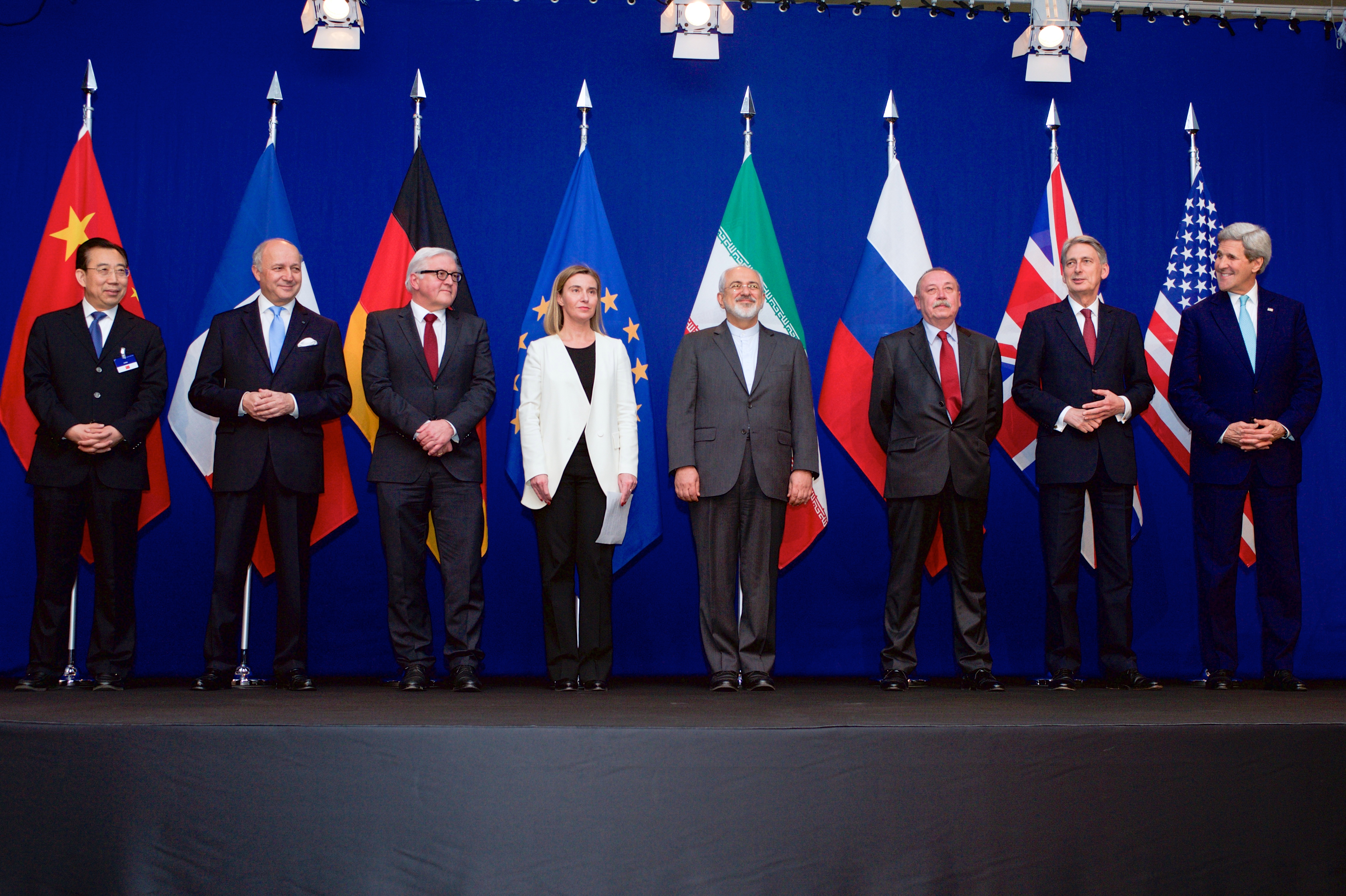
U.S. and Iranian officials are meeting in Switzerland this month to negotiate a memorandum of understanding aimed at ending regional conflict [1].
These negotiations represent a critical attempt to prevent further escalation in the Middle East, specifically regarding the Iran-Israel confrontation and threats to the Strait of Hormuz [1, 4]. A failure to reach a stable agreement could risk a broader war involving multiple regional powers.
The diplomatic effort involves high-level representatives, including President Donald Trump, JD Vance, and envoy Steve Witkoff for the U.S., and President Masoud Pezeshkian and Foreign Minister Abbas Araghchi for Iran [1, 2, 3]. Reports indicate a pact was signed June 18, 2026 [4]. Some sources said President Trump and President Pezeshkian signed the memorandum electronically [1], while others said the agreement was signed by general officials [4].
Despite the diplomatic progress, violence continues to destabilize the region. On June 19, 2026, four Israeli soldiers died in combat in Lebanon [5]. Additionally, seven people died in Israeli attacks within Lebanon [3]. These ongoing clashes threaten to imperil the fragile peace deal currently under discussion [5].
The memorandum of understanding seeks to address the Iranian nuclear program, and tensions between Israel and Lebanon [1, 4]. However, the implementation of the agreement has already faced hurdles. Iran's military said the U.S. failed to uphold the first point of the memorandum [2]. Other reports said the signing was a major diplomatic breakthrough [1].
U.S. officials have focused on halting the fighting and ensuring maritime security in the Strait of Hormuz to protect global trade [1, 4]. The talks in Switzerland serve as a neutral ground for the two nations to resolve long-standing grievances and establish a framework for regional stability [1, 3].
“U.S. and Iranian officials are meeting in Switzerland this month to negotiate a memorandum of understanding.”
The simultaneous pursuit of a peace pact and the occurrence of combat deaths in Lebanon illustrate the volatility of Middle East diplomacy. While the memorandum of understanding provides a formal framework for de-escalation and nuclear oversight, the immediate accusations of non-compliance and continued military casualties suggest that a signed document may not immediately translate into a ceasefire.
'%2F%3E%0A%20%20%20%20%3Crect%20width%3D'1600'%20height%3D'900'%20fill%3D'url(%23v)'%2F%3E%0A%20%20%20%20%3Cg%20opacity%3D'0.08'%20fill%3D'%23ffffff'%3E%0A%20%20%20%20%20%20%3Ccircle%20cx%3D'1420'%20cy%3D'180'%20r%3D'220'%2F%3E%0A%20%20%20%20%20%20%3Ccircle%20cx%3D'1500'%20cy%3D'760'%20r%3D'120'%2F%3E%0A%20%20%20%20%3C%2Fg%3E%0A%20%20%20%20%3Cline%20x1%3D'80'%20y1%3D'172'%20x2%3D'220'%20y2%3D'172'%20stroke%3D'%23ffffff'%20stroke-width%3D'3'%20stroke-opacity%3D'0.6'%2F%3E%0A%20%20%20%20%3Ctext%20x%3D'80'%20y%3D'140'%20font-family%3D'Inter%2C%20-apple-system%2C%20Helvetica%2C%20sans-serif'%20font-weight%3D'700'%20font-size%3D'28'%20fill%3D'%23ffffff'%20letter-spacing%3D'6'%3EHANNA%20%C2%B7%20NEWS%3C%2Ftext%3E%0A%20%20%20%20%3Ctext%20x%3D'80'%20y%3D'230'%20font-family%3D'Inter%2C%20-apple-system%2C%20Helvetica%2C%20sans-serif'%20font-weight%3D'600'%20font-size%3D'40'%20fill%3D'%23ffffffb3'%20letter-spacing%3D'4'%3EWORLD%3C%2Ftext%3E%0A%20%20%20%20%3Ctext%20x%3D'80'%20y%3D'694'%20font-family%3D'Playfair%20Display%2C%20Georgia%2C%20serif'%20font-weight%3D'800'%20font-size%3D'110'%20fill%3D'%23ffffff'%20letter-spacing%3D'-1'%3EBihar%20Health%20Minister%26apos%3Bs%3C%2Ftext%3E%3Ctext%20x%3D'80'%20y%3D'820'%20font-family%3D'Playfair%20Display%2C%20Georgia%2C%20serif'%20font-weight%3D'800'%20font-size%3D'110'%20fill%3D'%23ffffff'%20letter-spacing%3D'-1'%3EYoga%20Performance%20Goes%20Viral%3C%2Ftext%3E%0A%20%20%20%20%3Ctext%20x%3D'80'%20y%3D'870'%20font-family%3D'Inter%2C%20-apple-system%2C%20Helvetica%2C%20sans-serif'%20font-weight%3D'500'%20font-size%3D'22'%20fill%3D'%23ffffff66'%20letter-spacing%3D'2'%3Enews.hanna-ai.com%3C%2Ftext%3E%0A%20%20%3C%2Fsvg%3E)