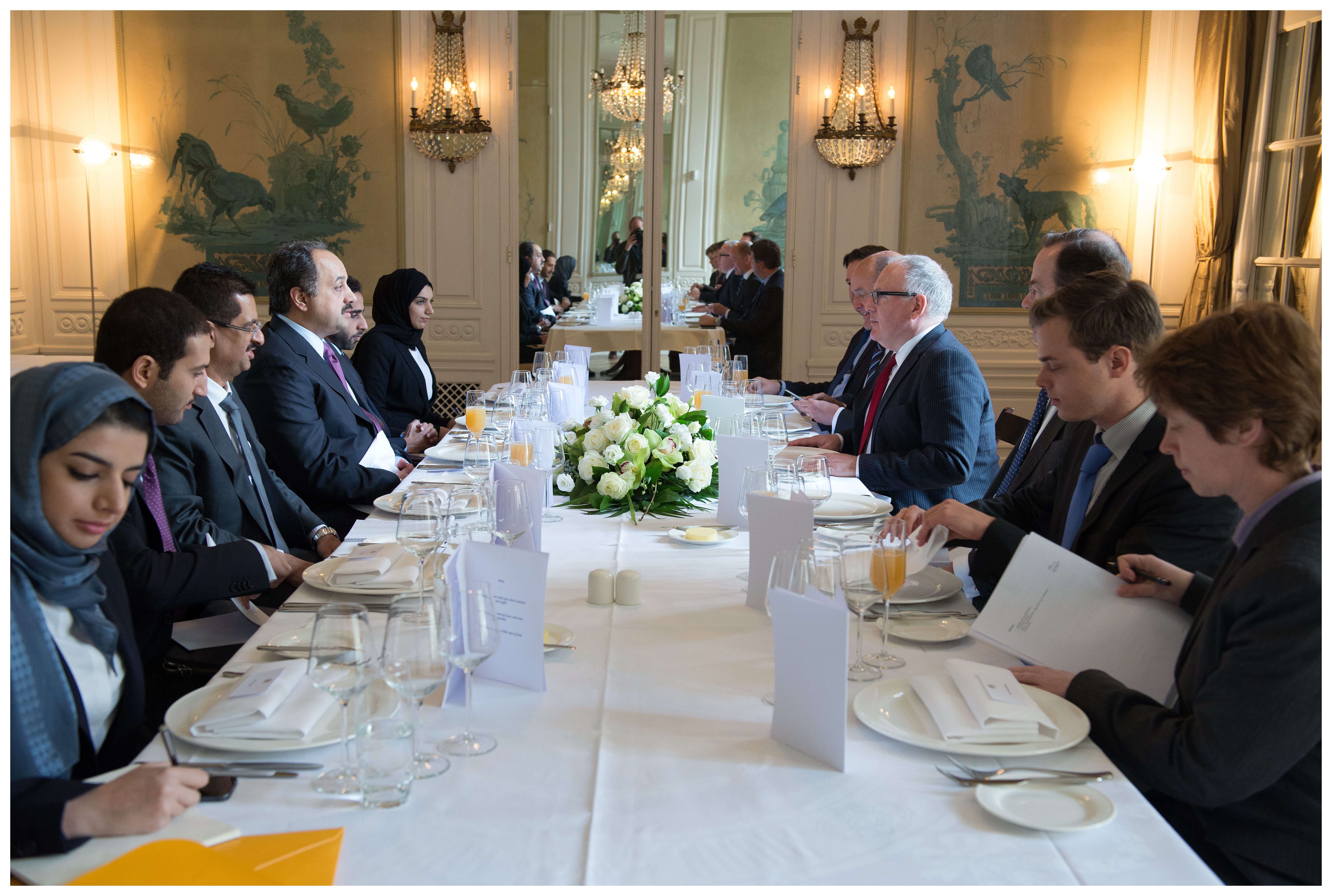
The United States and Qatar are discussing a plan to grant Iran access to frozen overseas funds for humanitarian purposes [1].
This arrangement would mark a significant shift in the financial pressure campaign against Tehran. By allowing the release of specific assets, the U.S. and Qatar aim to ensure that essential humanitarian needs are met without bypassing the core intent of international sanctions.
The frozen assets are held in various overseas locations, including South Korea [2]. According to reports published this week, the U.S. and Qatar are specifically discussing the release of $6 billion [1]. However, other reports indicate that Iran is seeking phased access to a larger sum of $24 billion [2].
These figures represent a fraction of the total wealth currently locked abroad. It is estimated that Iran has up to $100 billion in total frozen overseas assets [2]. The proposed mechanism would restrict the use of these funds to humanitarian purchases, such as medicine and food, to prevent the capital from being used for military or nuclear development.
The negotiations come as Qatar continues to act as a primary mediator between Washington and Tehran. The complex nature of the freeze means that any release requires coordination between the U.S. Treasury and the foreign banks where the money is physically held [1].
While the specific dollar amount remains a point of variation in current reporting, the core objective is to create a controlled channel for humanitarian relief [1], [2].
“The United States and Qatar are discussing a plan to grant Iran access to frozen overseas funds.”
This move suggests a pragmatic shift in U.S. foreign policy, attempting to balance strict sanctions with humanitarian obligations. By utilizing Qatar as a mediator, the U.S. can test Iranian compliance and maintain diplomatic leverage while potentially easing a humanitarian crisis within Iran. The discrepancy in the amounts being discussed—ranging from $6 billion to $24 billion—indicates that the final scale of the release remains a central point of negotiation.


