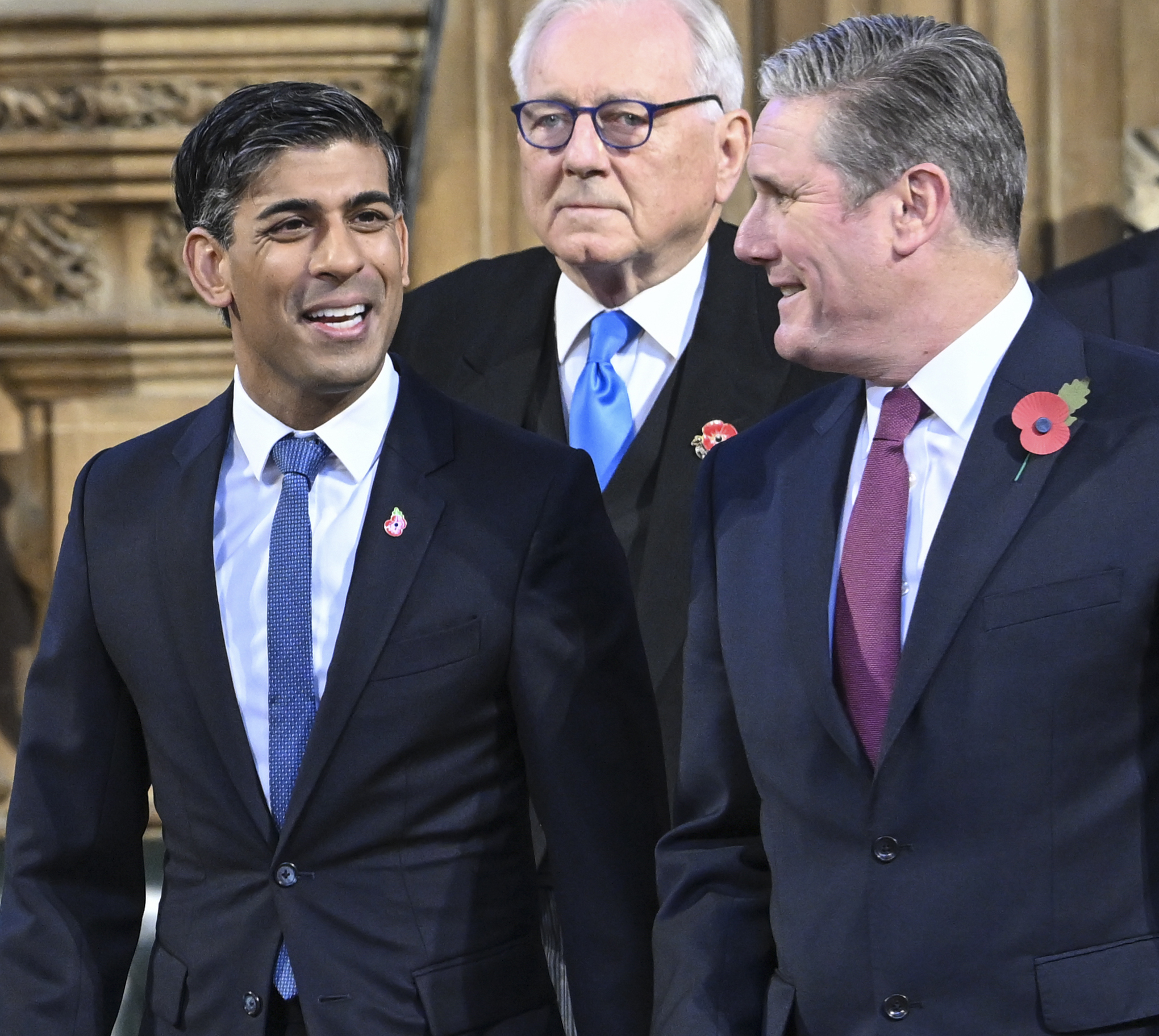
Andy Burnham, the Labour MP and Greater Manchester mayor, won the Makerfield by-election on June 18, 2026, with a landslide majority [1, 2].
The victory returns Burnham to the House of Commons, providing him with the political momentum and platform necessary to launch a leadership challenge against Prime Minister Keir Starmer [1, 2].
Burnham secured a vote share of 55% [2]. His victory margin was substantial, with a majority of over 9,000 votes [3]. The result in the north-west England constituency marks a significant return to national legislative politics for the mayor [1, 3].
Political analysts said the win is more than a local victory. By securing a seat in Parliament, Burnham has removed a primary barrier to contesting the party leadership—the requirement to be a sitting member of the House of Commons [1, 2].
Burnham sought a specific route to replace Starmer, and this by-election win provides the necessary leverage to pursue that goal [1, 2]. The scale of the majority suggests strong local support, which may translate into broader party influence as the leadership contest develops [3].
While the Prime Minister has not yet issued a formal response to the result, the internal dynamics of the Labour Party are expected to shift. The win places Burnham in a position to challenge Starmer's direction of the party from within the parliamentary ranks [1, 2].
“Andy Burnham won the Makerfield by-election on June 18, 2026, with a landslide majority”
This result transforms Andy Burnham from a regional leader into a direct parliamentary threat to Keir Starmer. By regaining a seat in the House of Commons, Burnham satisfies the eligibility requirements to challenge for the party leadership, potentially fracturing the Labour Party's current unity and forcing a pivot in the government's strategic direction.


