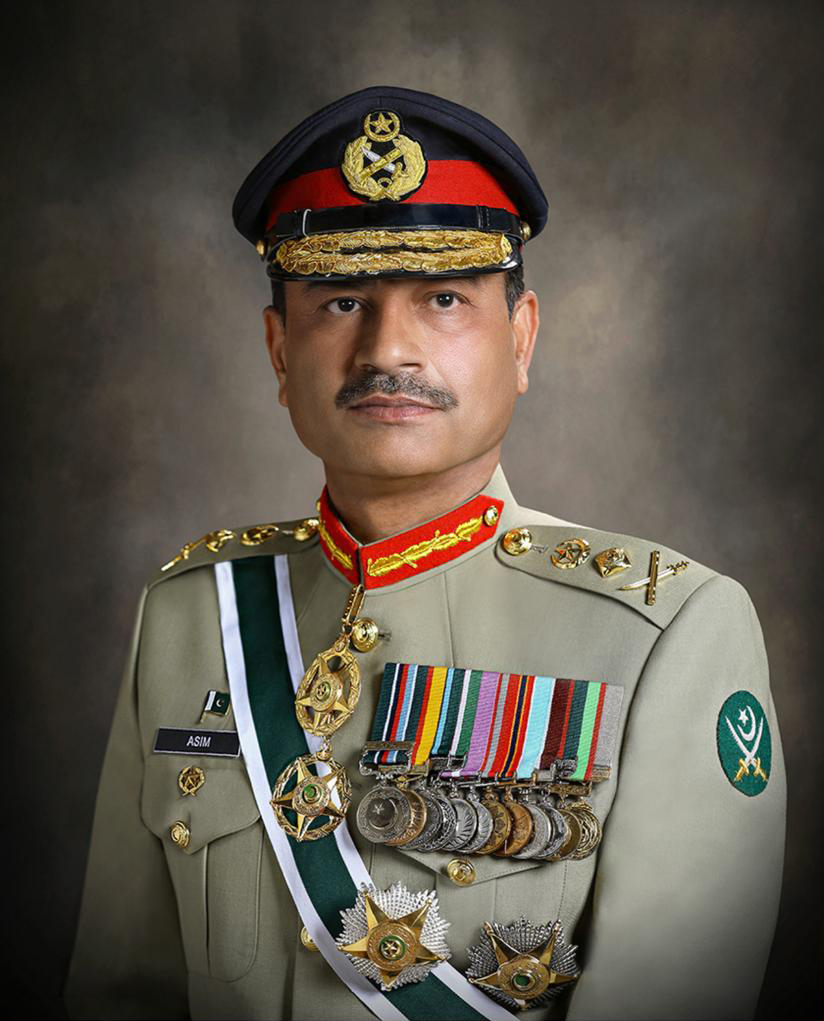
Field Marshal Syed Asim Munir, Pakistan's Chief of Army Staff, has taken a central role in brokering peace talks between the U.S. and Iran.
This diplomatic push positions Pakistan as a critical regional stabilizer during a period of high tension. The effort to mediate between Washington and Tehran suggests a strategic shift in how Pakistan leverages its military leadership to influence international security.
Munir has engaged in high-level diplomatic activity, including visits to the United States and Tehran [1, 3]. Reports indicate he arrived in Tehran for a second visit in June 2026 to advance the peace process [3]. These efforts occur against a backdrop of conflict, with some reports referencing a count of day 85 of the Iran war [4].
While the primary objective is a peace agreement, the exact location of the negotiations remains a point of contention in available reports. Some sources said the historic talks are taking place in Islamabad [1], while other accounts place the activity in Tehran [2, 3].
Munir's involvement follows a pattern of international engagement, including a visit to the United States on June 17, 2025 [5]. By facilitating communication between the two powers, Pakistan seeks to mitigate regional instability, and establish itself as a trusted intermediary.
The Pakistani leadership has not released a formal statement regarding the specific terms of the negotiations. However, the frequent travel of the army chief between the opposing capitals indicates a high level of trust from both the U.S. and Iranian delegations [1, 5].
“Pakistan seeks to act as a regional stabilizer and help broker a peace agreement”
The emergence of Field Marshal Asim Munir as a primary mediator signals Pakistan's intent to elevate its geopolitical standing. By bridging the gap between the U.S. and Iran, Pakistan is attempting to transition from a security-focused state to a diplomatic hub, potentially reducing the risk of a wider regional war while increasing its own leverage with both superpowers.


