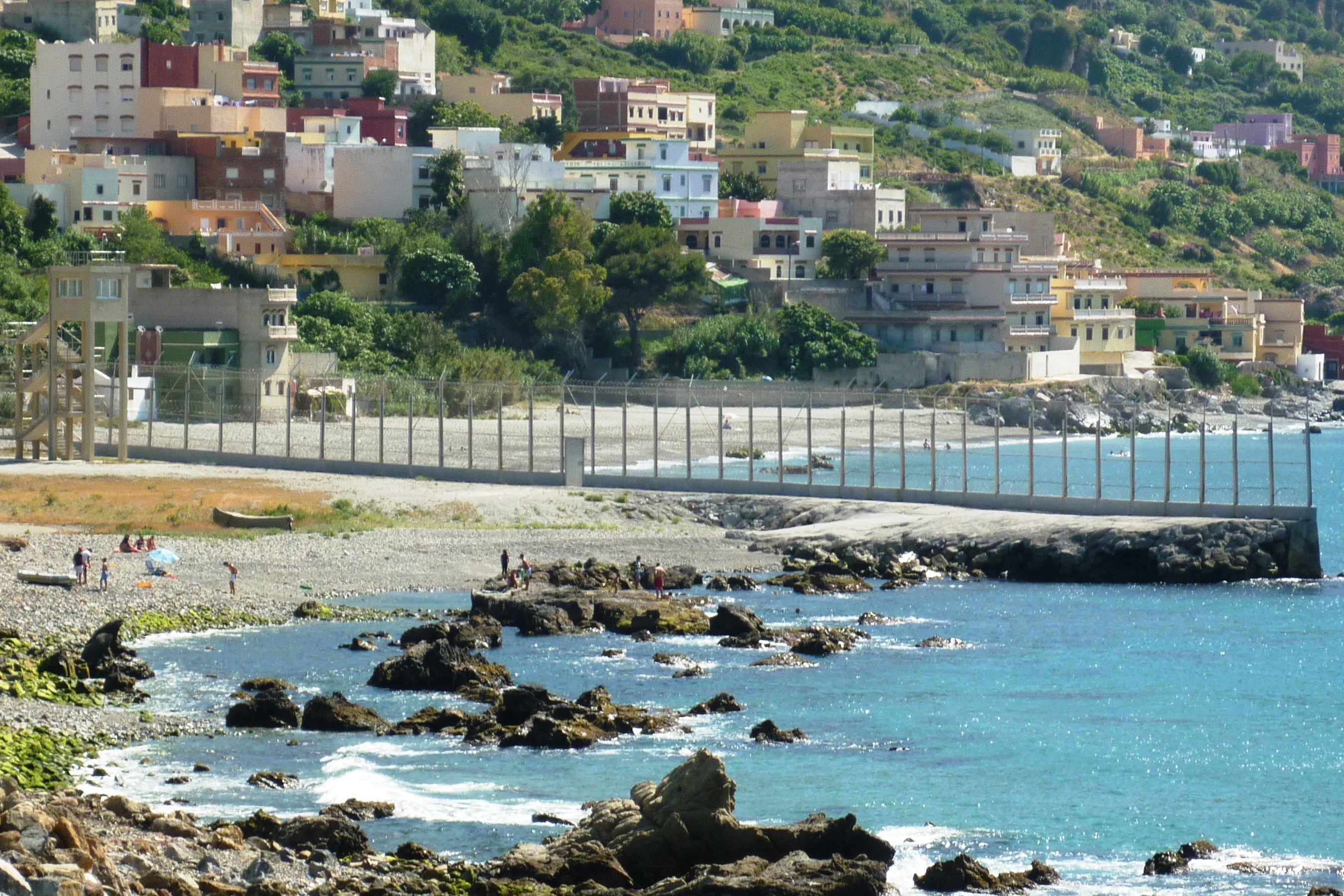
Ceuta leaders on Thursday requested that the Spanish government close the border with Morocco and deploy the army to manage a migration crisis [1, 2].
This request reflects an escalating security situation in the autonomous city, where local officials believe the current infrastructure can no longer handle the volume of arrivals. A failure to secure the border could lead to humanitarian instability and strained diplomatic relations between Spain and Morocco.
President Juan Jesús Vivas, supported by members of the Junta de Portavoces of the Assembly of Ceuta and the PSOE, called for the declaration of a national emergency under security-national regulations [1, 2]. Vivas said the migration crisis has experienced a "qualitative jump" due to a massive influx of people from Morocco [2].
The scale of the arrivals has put significant pressure on the city's resources. Vivas said 1,500 people have entered in the last week [2]. He said this figure represents approximately 2% of the total population of the autonomous city [2].
To address the surge, the local leadership is seeking a "mando unico" — a single command structure — to coordinate the response [2]. This would streamline the deployment of security forces and the management of the border perimeter.
"Solicitamos el cierre de la frontera, el despliegue del Ejército y la declaración de la emergencia nacional por el salto cualitativo de la crisis migratoria," Vivas said [1].
While some reports suggest the central government may already be preparing to activate the military, the official request from Ceuta's political parties on July 30 emphasizes the urgency of the situation [1, 2].
“"Han entrado 1.500 personas en la última semana, casi el 2% de toda la población de la ciudad autónoma."”
The demand for a national emergency and military intervention indicates that local authorities in Ceuta view the current migration flow as a security threat rather than a manageable administrative issue. By requesting a 'mando unico,' the city is attempting to shift the primary responsibility and cost of border management from the autonomous city to the Spanish central government.


