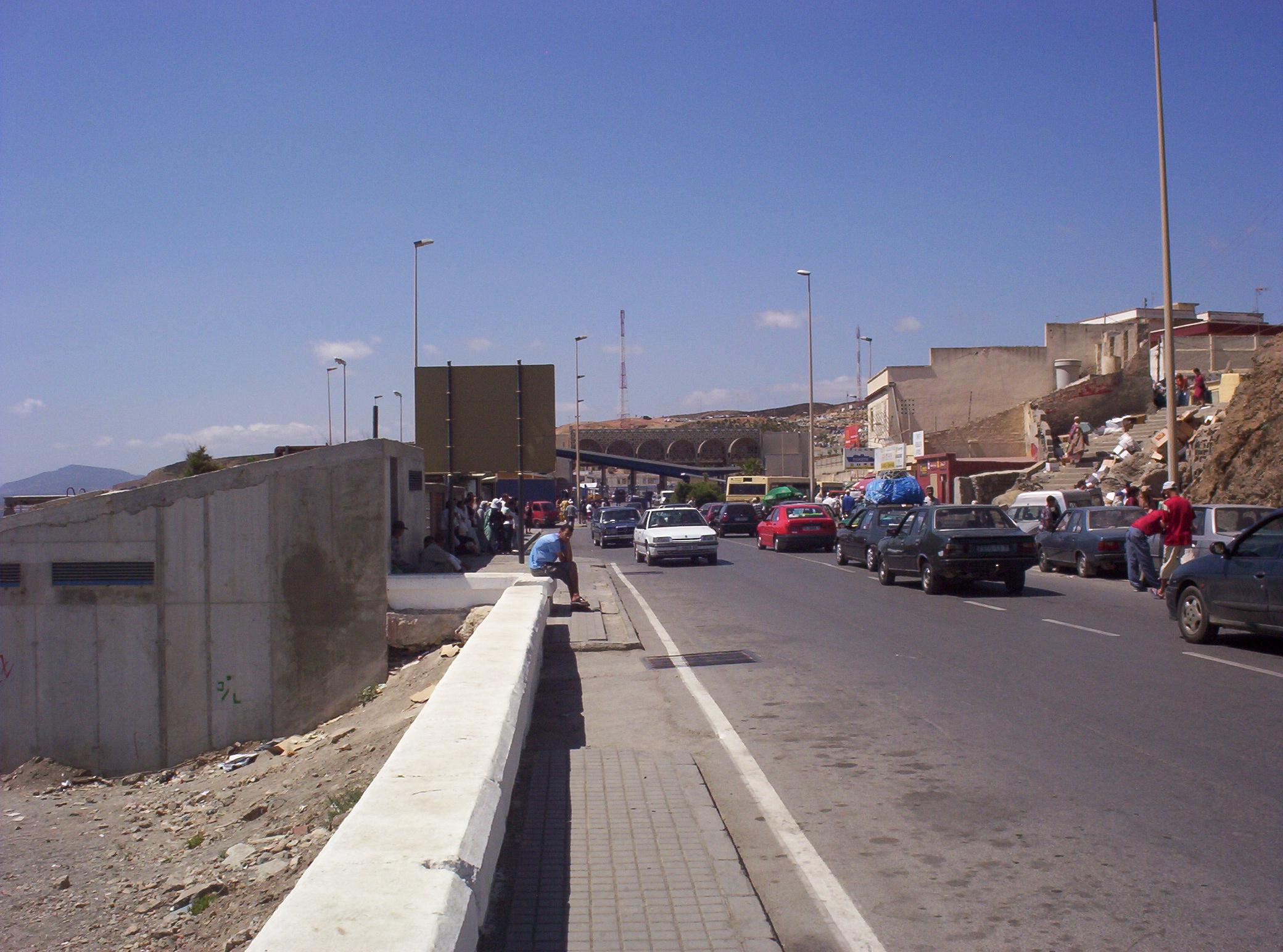
Spanish security forces clashed with irregular migrants in Ceuta this week after a surge of people crossed the border from Morocco [1, 2].
The situation has prompted Spanish officials to request that the European Union formally recognize and equip the Ceuta fence as an official external border. This move would provide more resources and legal frameworks to manage the North African frontier, where security challenges frequently escalate into diplomatic tensions between Spain and Morocco [2].
Reports indicate that 60,000 migrants entered the autonomous city during the crisis [1]. The influx led to violent confrontations between those attempting to enter and security forces deployed to maintain the perimeter [1, 2].
Despite efforts to stabilize the region, thousands of migrants are still awaiting return to their countries of origin [2]. Local residents in the enclave have expressed concern over the scale of the arrivals and the resulting pressure on city infrastructure [2].
Spanish government officials are now pushing for the fence to be treated as a primary EU boundary. They said that the current infrastructure is insufficient for the volume of irregular migration seen during this period [2].
The escalation began on Thursday and continued through Friday, marking one of the more volatile periods for the enclave's border security [1]. Moroccan authorities and Spanish forces have been involved in the ongoing effort to manage the flow of people, and coordinate the repatriation of those who entered illegally [1, 2].
“60,000 migrants entered Ceuta during the crisis”
The push to formalize the Ceuta fence as an EU external border represents a shift toward the 'externalization' of migration control. By integrating this specific North African perimeter into the broader EU border framework, Spain aims to shift the financial and logistical burden of border security to the European Union while strengthening the legal basis for deportations.


