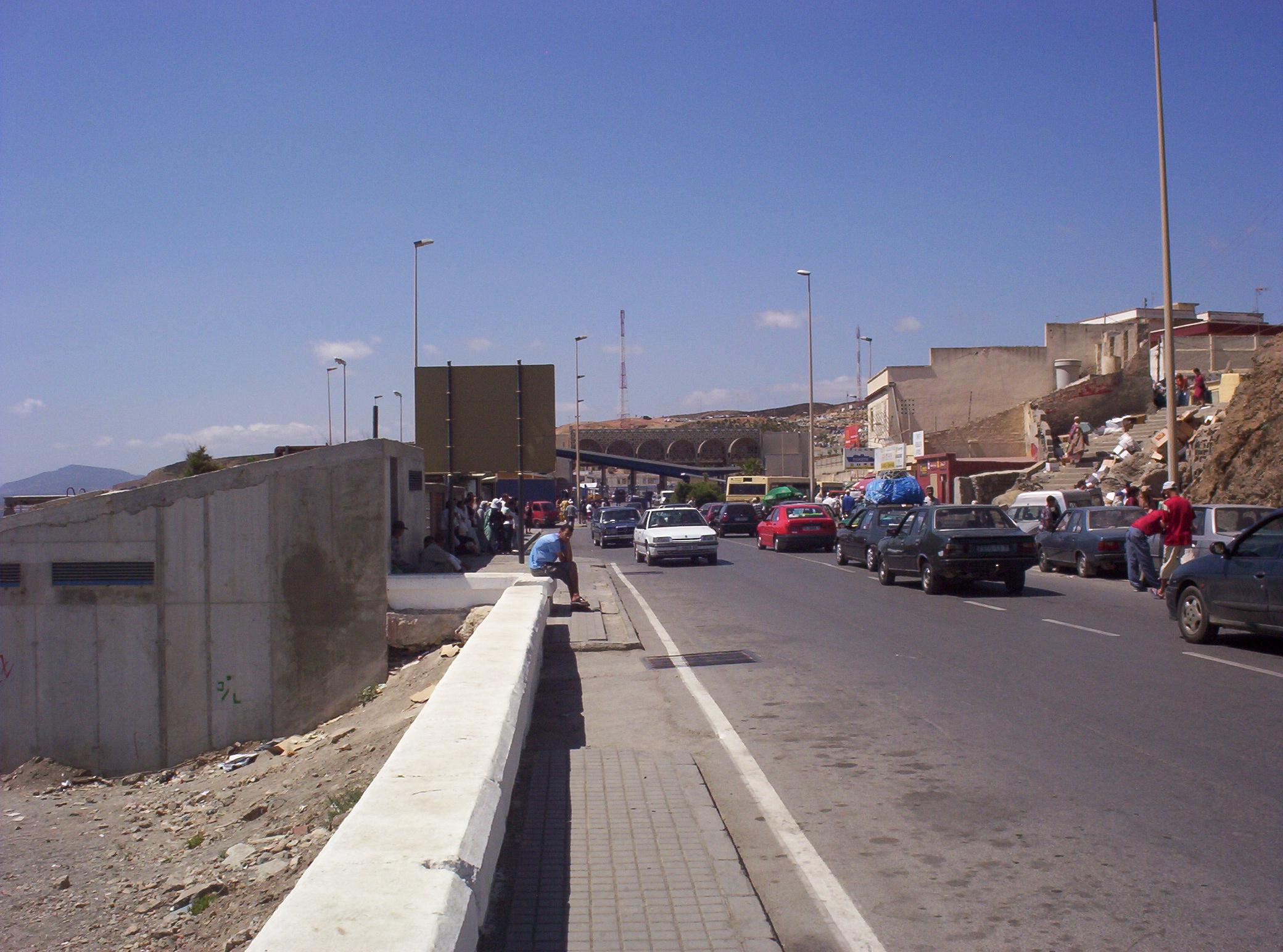
Spanish police and military forces intervened on Thursday to disperse a large group of migrants who attempted to breach the border of Ceuta [1].
The incident underscores the persistent tension and humanitarian pressure at the North African border, where the Spanish enclave serves as a primary gateway into European territory [1].
Reports indicate that thousands of migrants flooded into Ceuta, prompting a rapid military response to secure the perimeter [2, 3]. Some reports estimate the number of people who crossed into the enclave at approximately 60,000 [2]. The discrepancy in figures reflects the chaotic nature of the breach, though all sources agree that thousands of individuals were involved in the movement [1, 2, 3].
Spanish security forces worked to push the crowds back and restore order at the border fence. The operation involved coordinated efforts between police and military units to prevent further unauthorized entries into the city [3].
Ceuta, a small Spanish territory on the coast of Morocco, has long been a flashpoint for migration. The border remains one of the most heavily monitored sections of the European Union's external perimeter, a result of ongoing efforts to manage the flow of people moving from Africa toward Europe [1].
Local authorities have not yet provided a final count of those detained or deported following the breach. The operation focused on the immediate dispersal of the crowds to ensure the stability of the enclave [3].
“Thousands of migrants flooded into Ceuta, prompting a military response”
The breach at Ceuta highlights the fragility of border security in the region and the continuing desperation of migrants seeking entry into the EU. The scale of the attempt, with estimates reaching as high as 60,000 people, suggests a coordinated movement that challenges the capacity of Spanish security forces and emphasizes the geopolitical complexity of the Spain-Morocco relationship.


'%2F%3E%0A%20%20%20%20%3Crect%20width%3D'1600'%20height%3D'900'%20fill%3D'url(%23v)'%2F%3E%0A%20%20%20%20%3Cg%20opacity%3D'0.08'%20fill%3D'%23ffffff'%3E%0A%20%20%20%20%20%20%3Ccircle%20cx%3D'1420'%20cy%3D'180'%20r%3D'220'%2F%3E%0A%20%20%20%20%20%20%3Ccircle%20cx%3D'1500'%20cy%3D'760'%20r%3D'120'%2F%3E%0A%20%20%20%20%3C%2Fg%3E%0A%20%20%20%20%3Cline%20x1%3D'80'%20y1%3D'172'%20x2%3D'220'%20y2%3D'172'%20stroke%3D'%23ffffff'%20stroke-width%3D'3'%20stroke-opacity%3D'0.6'%2F%3E%0A%20%20%20%20%3Ctext%20x%3D'80'%20y%3D'140'%20font-family%3D'Inter%2C%20-apple-system%2C%20Helvetica%2C%20sans-serif'%20font-weight%3D'700'%20font-size%3D'28'%20fill%3D'%23ffffff'%20letter-spacing%3D'6'%3EHANNA%20%C2%B7%20NEWS%3C%2Ftext%3E%0A%20%20%20%20%3Ctext%20x%3D'80'%20y%3D'230'%20font-family%3D'Inter%2C%20-apple-system%2C%20Helvetica%2C%20sans-serif'%20font-weight%3D'600'%20font-size%3D'40'%20fill%3D'%23ffffffb3'%20letter-spacing%3D'4'%3EWORLD%3C%2Ftext%3E%0A%20%20%20%20%3Ctext%20x%3D'80'%20y%3D'622'%20font-family%3D'Playfair%20Display%2C%20Georgia%2C%20serif'%20font-weight%3D'800'%20font-size%3D'86'%20fill%3D'%23ffffff'%20letter-spacing%3D'-1'%3ERobert%20Assaf%20admits%20to%3C%2Ftext%3E%3Ctext%20x%3D'80'%20y%3D'721'%20font-family%3D'Playfair%20Display%2C%20Georgia%2C%20serif'%20font-weight%3D'800'%20font-size%3D'86'%20fill%3D'%23ffffff'%20letter-spacing%3D'-1'%3Esubmitting%20fake%20invoices%20in%3C%2Ftext%3E%3Ctext%20x%3D'80'%20y%3D'820'%20font-family%3D'Playfair%20Display%2C%20Georgia%2C%20serif'%20font-weight%3D'800'%20font-size%3D'86'%20fill%3D'%23ffffff'%20letter-spacing%3D'-1'%3Ecorruption%20hearing%3C%2Ftext%3E%0A%20%20%20%20%3Ctext%20x%3D'80'%20y%3D'870'%20font-family%3D'Inter%2C%20-apple-system%2C%20Helvetica%2C%20sans-serif'%20font-weight%3D'500'%20font-size%3D'22'%20fill%3D'%23ffffff66'%20letter-spacing%3D'2'%3Enews.hanna-ai.com%3C%2Ftext%3E%0A%20%20%3C%2Fsvg%3E)