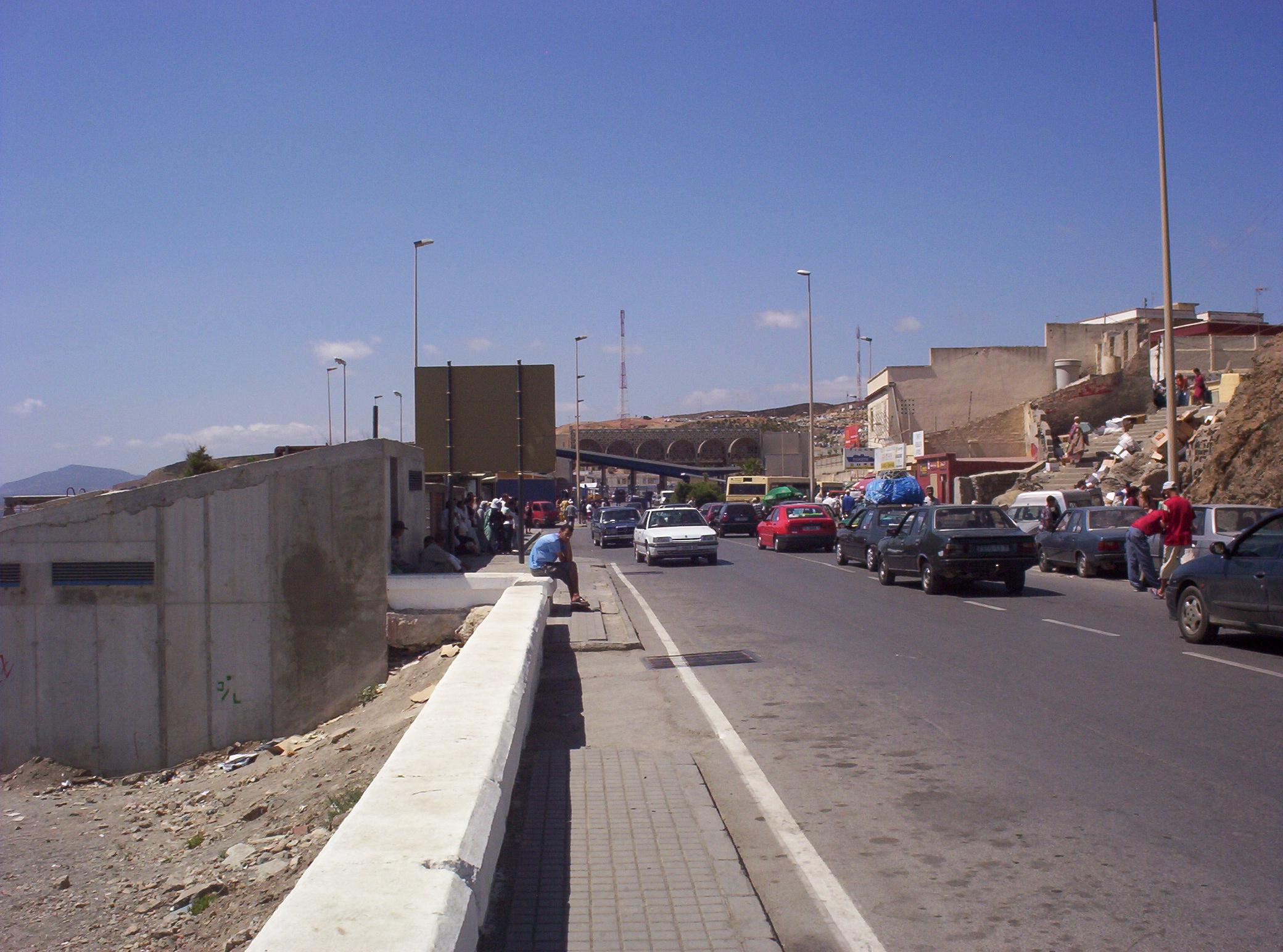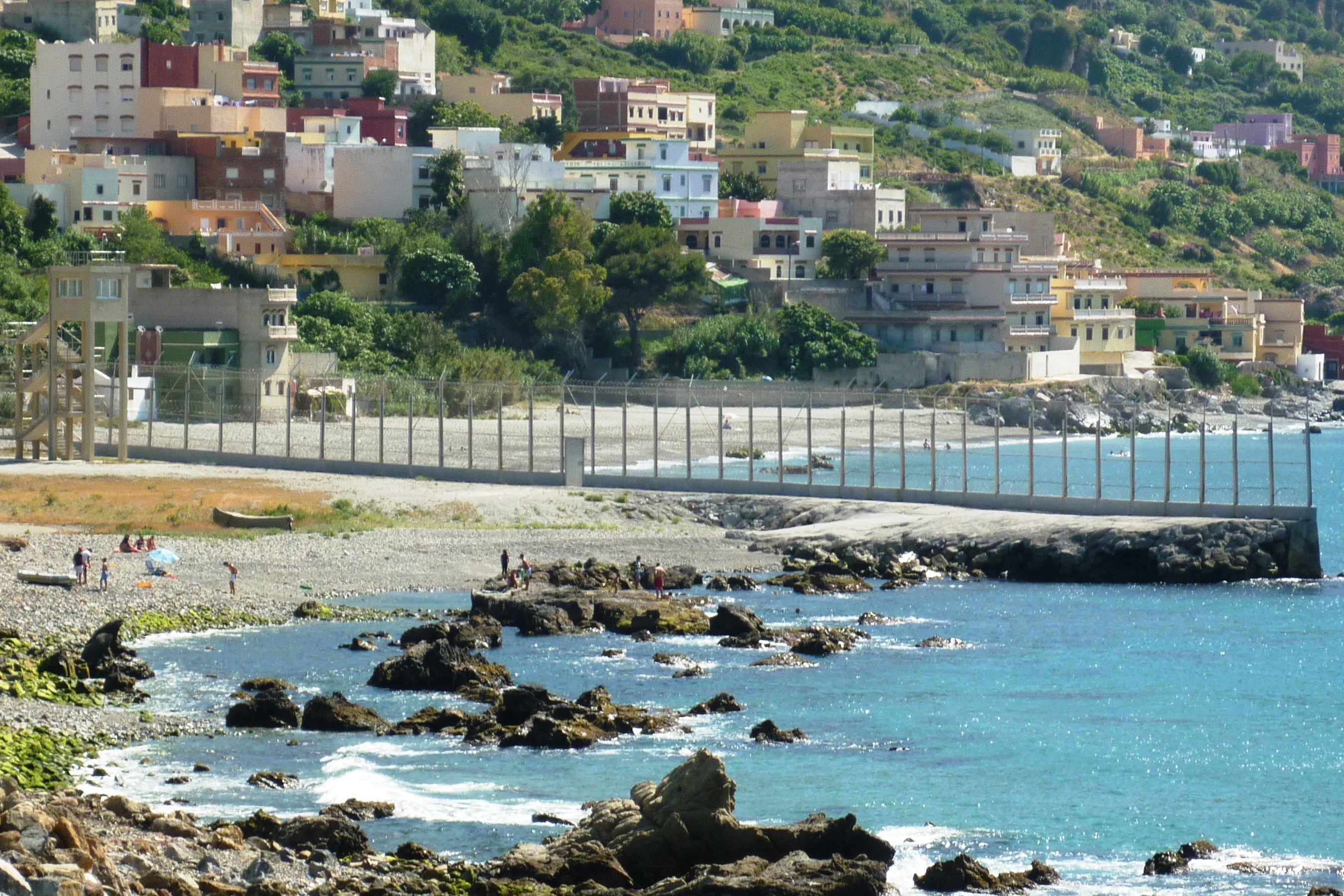
At least 60,000 migrants crossed the land border from Morocco into the Spanish enclave of Ceuta over the past few days [1].
The surge creates a critical security and humanitarian challenge for Spain, as Ceuta represents one of only two land borders the European Union shares with Africa. The sudden influx tests the capacity of local infrastructure and the effectiveness of EU border containment strategies.
Reports indicate the movement occurred rapidly, with some estimates suggesting the 60,000 migrants [3] entered the territory within a 24-hour window [3]. Other reports describe the arrival as occurring over several days [4]. The migrants, primarily from Morocco, are attempting to enter the EU to escape local push factors and seek the opportunities provided by EU membership [5].
Spanish authorities in Ceuta and reporting from Algeciras describe a scene of intense pressure at the border fences [1]. The autonomous city, located on the North African coast, has become a focal point for those attempting to bypass maritime routes in favor of land entry [2].
Analysts said the crisis is driven by a combination of instability in North Africa and the perceived accessibility of the Spanish enclave. The rapid scale of the crossing has forced the EU to race toward containment measures to prevent further instability in the region [4].
Spain continues to grapple with the logistical burden of processing thousands of arrivals while maintaining border security. The situation has drawn international attention to the vulnerability of the EU's southern perimeter, a narrow strip of land that serves as a primary gateway for migration into Europe [5].
“At least 60,000 migrants crossed the land border from Morocco into the Spanish enclave of Ceuta”
This event underscores the fragility of the EU's southern border management. Because Ceuta is a strategic chokepoint, any sudden increase in migration volume can quickly overwhelm local resources, potentially leading to diplomatic tension between Spain and Morocco and prompting the EU to implement stricter, more militarized border controls.