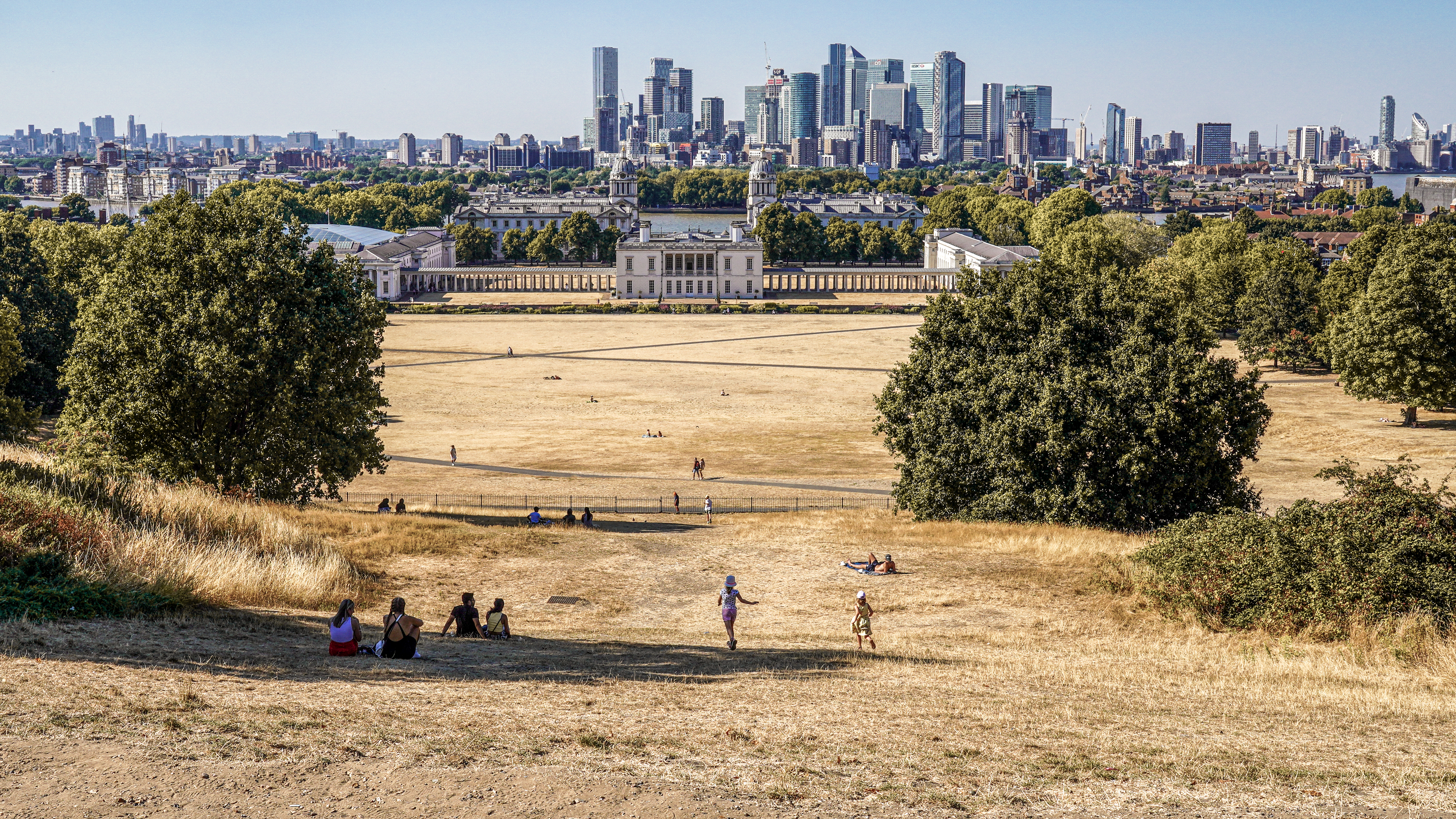
The UK Environment Agency declared a drought on Wednesday for more than half of England following record-low rainfall and extreme temperatures [1, 2, 3].
The declaration signals a critical depletion of water supplies that threatens agriculture, natural ecosystems, and residential water security across seven regions [1, 4].
According to the agency, the drought covers central, eastern, and southern England, including Devon, Cornwall, and the Holme Fen nature reserve [1, 5]. The crisis follows a July where England received only about seven% of its normal rainfall total [1], with southern England receiving just one% [1].
Government officials and environmental experts warned that the dry conditions have created a dangerous environment for wildfires. Olivia Guthrie of ITV News said, "Extreme heat and dry weather have caused peat fires" [1].
The impact extends beyond the risk of fire. An Environment Agency spokesperson said, "Rivers are running low, farmers are having to harvest crops early, wildfire risk is increasing, and millions of people are living under restrictions on water use" [3].
While some reports describe the affected area as half of England [2, 4], other official accounts state that more than half of the country is now officially in drought [2]. The agency is working with the Department for Environment, Food and Rural Affairs (DEFRA) to manage the crisis as water levels continue to drop [1, 2].
Authorities have urged residents in the seven affected areas to reduce their water consumption immediately to preserve remaining reserves [4].
“More than half of England is officially in drought”
This declaration reflects a severe climatic anomaly where rainfall deficits have outpaced the capacity of the UK's water infrastructure to adapt. The intersection of agricultural losses and the emergence of peat fires suggests that the drought is not merely a utility issue but an ecological emergency that may require long-term changes to land management and water rationing policies in southern England.


