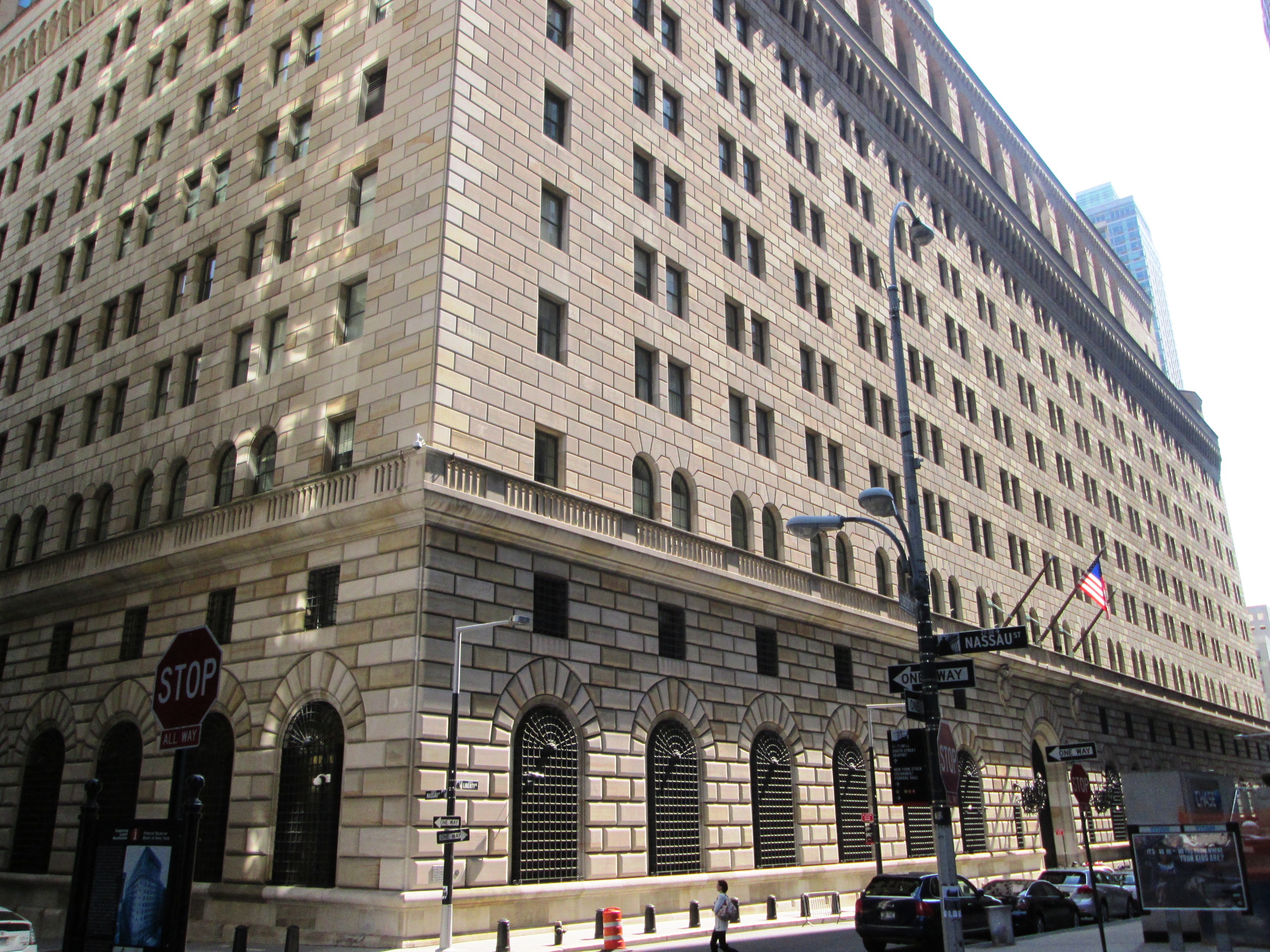
Financial analysts are recommending that currency traders sell Euro currency (E6Z26) futures before the release of the Federal Open Market Committee meeting results [1].
This move is significant because the Federal Reserve's decisions on interest rates and monetary policy often trigger volatility in global currency pairs. A recommendation to short the Euro suggests an expectation that the U.S. dollar will strengthen or the Euro will weaken relative to other currencies following the meeting [1], [2].
The strategy focuses on anticipated price weakness in the E6Z26 futures market [1]. Traders typically use such positions to profit from a decline in the asset's value. The recommendation comes as market participants prepare for the FOMC's latest guidance on economic stability and inflation control [2].
Broader economic indicators continue to influence market sentiment. Recent data shows the U.S. growth pace reached 2.3% [3], driven by a surge in services even as factories entered a period of contraction [3]. These divergent trends within the U.S. economy provide a complex backdrop for the Federal Reserve as it determines the next steps for monetary policy.
Other sectors of the market are also experiencing volatility. In the technology space, Alphabet's artificial intelligence expenditures have topped $200 billion [4]. This massive spending, combined with other corporate earnings reports, has contributed to a period of instability for the Nasdaq [4].
Analysts said that the daily bar charts for these currency pairs indicate the timing for this specific trade [1]. By positioning themselves before the FOMC results, traders aim to capitalize on the immediate price correction that often follows the central bank's announcements [1], [2].
“Traders are advised to sell Euro currency (E6Z26) futures.”
The recommendation to short Euro futures reflects a market bet on the relative strength of the U.S. economy over the Eurozone. When the FOMC signals a more aggressive stance on interest rates compared to the European Central Bank, the U.S. dollar typically attracts more investment, putting downward pressure on the Euro. This trade is a hedge against the volatility expected from the Federal Reserve's upcoming policy announcements.


