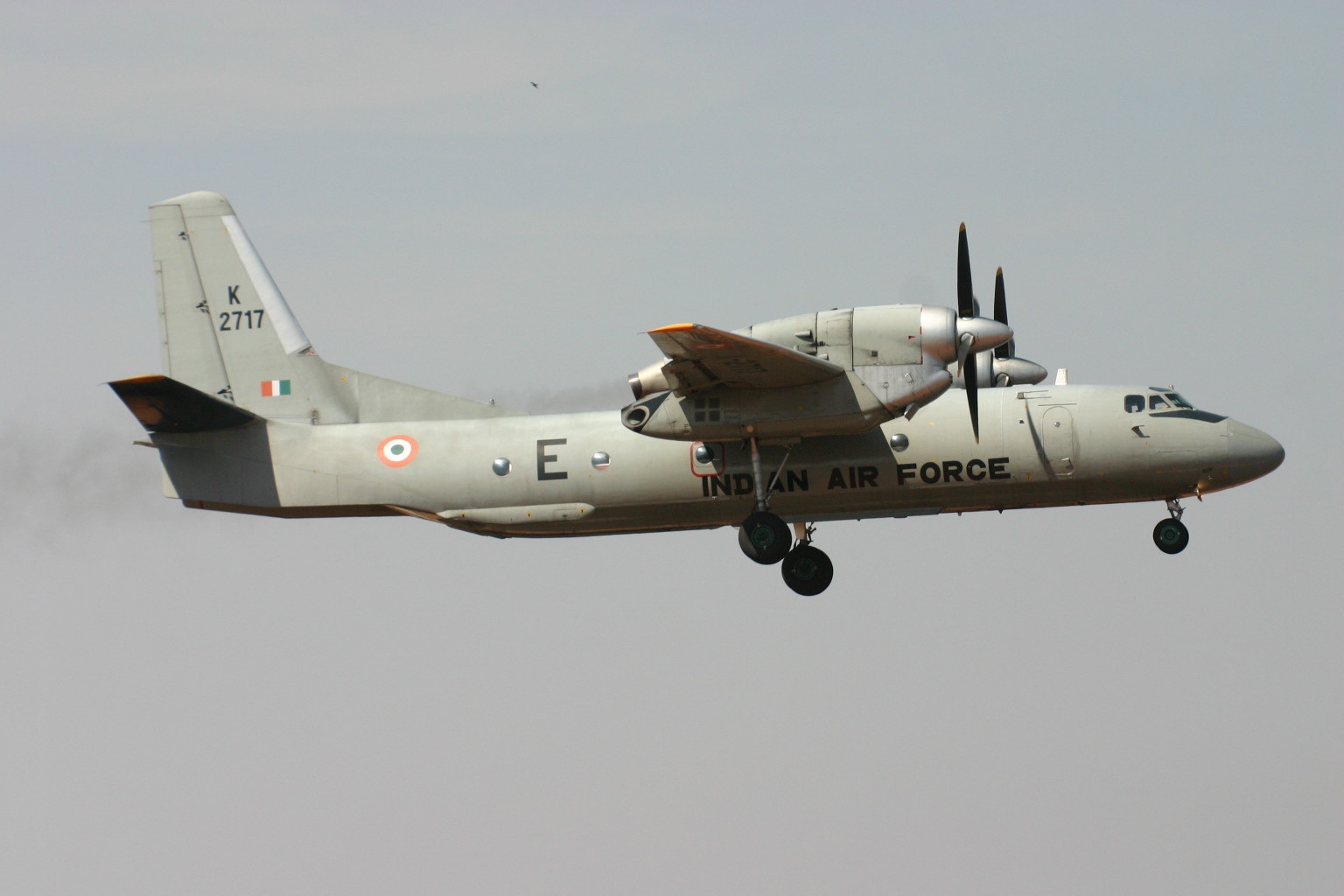
An Indian Air Force AN-32 transport aircraft crashed and caught fire Saturday while attempting to land at Jorhat Air Force Station in Assam.
The incident underscores the risks associated with the IAF's transport fleet and the critical nature of landing operations in the region. The loss of trained personnel impacts operational readiness and prompts renewed scrutiny of aircraft safety protocols.
Five personnel died in the crash [1]. The aircraft, described as a workhorse for the Indian Air Force, was in the process of landing when it went down and subsequently ignited [2]. Emergency teams responded to the site to manage the fire and conduct rescue operations.
Officials said a court of inquiry has been ordered to determine the cause of the accident [1]. The investigation will analyze flight data and mechanical performance to identify whether the crash resulted from technical failure or environmental factors.
While some reports initially suggested a different location, verified data confirms the crash occurred at the Jorhat Air Force Station in Assam [2]. The Indian government said it has expressed anguish over the loss of the five crew members [1].
The AN-32 is a twin-engine turboprop aircraft used extensively for transport missions. The military is now focused on the recovery of the site and the formal inquiry process to prevent future occurrences.
“Five personnel died in the crash”
The crash of an AN-32 transport aircraft highlights the ongoing challenges of maintaining aging fleet assets in demanding geographic regions. By ordering a court of inquiry, the Indian Air Force is initiating a formal military legal process to determine if the accident was caused by human error or a systemic mechanical failure, which may lead to wider safety mandates across the transport wing.


