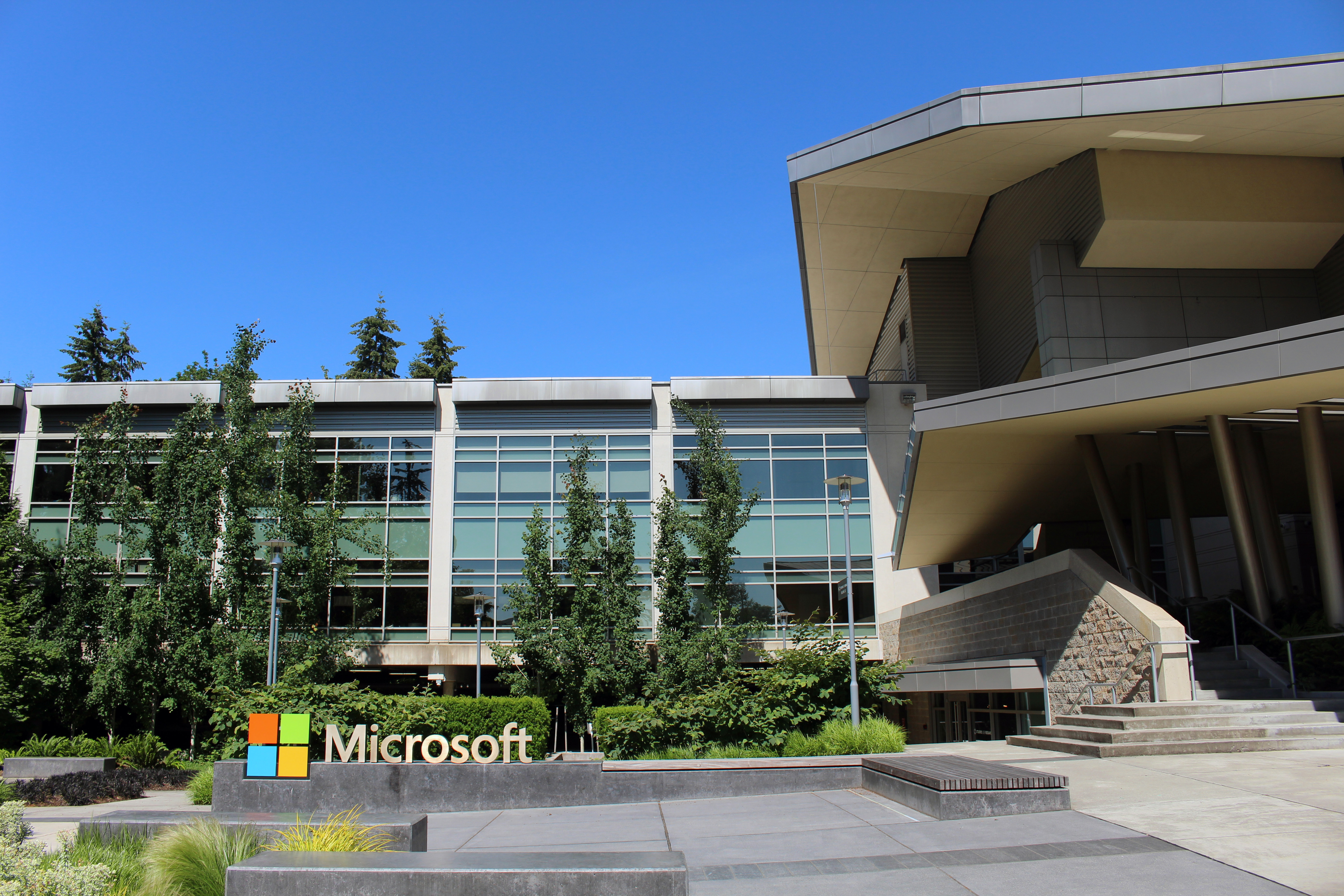
Meta stock fell nearly nine percent [1] and Microsoft shares jumped eight percent [1, 2] on Thursday as investors reacted to diverging AI performance.
This split suggests that the market is no longer treating all artificial intelligence investments as a single trade. Investors are now distinguishing between companies that can monetize AI services and those facing rising costs without immediate returns.
Microsoft reported strong growth for its Azure cloud platform and Copilot AI services [2]. These results indicated a successful integration of AI into the company's enterprise offerings, which drove the stock price higher.
Conversely, Meta struggled with its financial outlook. The company missed revenue guidance forecasts as free cash flow plunged [1]. This decline reflects the high costs of AI infrastructure and the challenges of translating those investments into immediate revenue growth.
CNBC said the results are "leading to diverging stock moves" [1] among the largest technology firms. While Microsoft is seeing a direct payoff from its cloud-based AI tools, Meta is grappling with the financial weight of its AI ambitions.
Analysts said that Meta missed revenue guidance forecasts as free cash flow plunged [1]. This contrast highlights a growing gap in how the "AI trade" is playing out across the sector, with Microsoft capturing the enterprise market while Meta manages the costs of developing its own models.
“Meta missed revenue guidance forecasts as free cash flow plunged.”
The divergent performance of Meta and Microsoft signals a transition from the 'hype phase' of AI to an 'execution phase.' Investors are now demanding concrete evidence of revenue generation, such as Microsoft's Azure growth, rather than general promises of future AI capabilities. This puts pressure on companies like Meta to prove that their massive capital expenditures on AI hardware and data centers will result in sustainable profit margins.