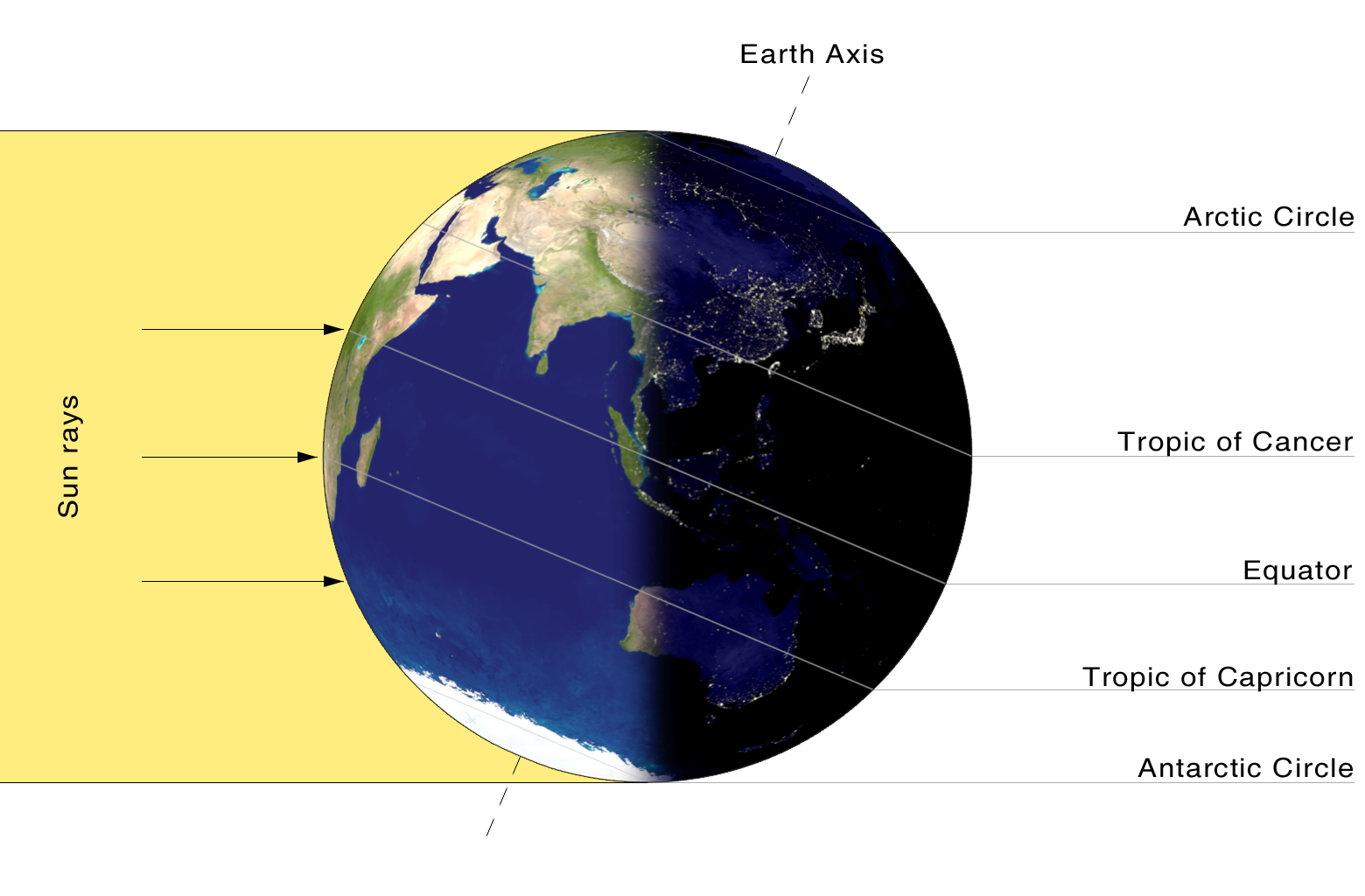
The astronomical summer officially began across the Northern Hemisphere as the region experienced the summer solstice on June 20, 2024 [1].
This event marks the point where the Sun reaches its highest position in the sky, resulting in the maximum amount of daylight for the year. The solstice dictates the seasonal shift and influences temperature patterns and daylight hours for millions of people.
According to BBC News, the solstice occurred at 04:51 UTC on June 20, 2024 [1]. While some reports listed the date as June 21, 2024, based on local time zones, the astronomical event was anchored to the UTC timestamp [1], [2].
"The summer solstice marks the longest day of the year in the Northern Hemisphere," Press Democrat staff said [2]. In London, for example, the length of daylight during the solstice reached approximately 16 hours and 38 minutes [2].
"Today the Sun reaches its highest point in the sky, officially starting astronomical summer," a BBC News presenter said [1]. This solar position creates the extended period of sunlight that characterizes the beginning of the season.
The arrival of the solstice typically brings a shift in weather patterns. A TribLive reporter said, "Sunshine abounds as the summer solstice arrives, bringing longer evenings and warmer temperatures" [3].
As the Earth continues its orbit, the days will gradually shorten from this peak. However, the current alignment ensures that the Northern Hemisphere receives the most direct sunlight of the calendar year, a cycle that repeats annually.
“The summer solstice marks the longest day of the year in the Northern Hemisphere.”
The summer solstice is a critical astronomical marker that defines the transition into the warmest part of the year for the Northern Hemisphere. By establishing the maximum daylight threshold, it sets the stage for agricultural cycles and energy demand patterns that persist until the autumnal equinox.


