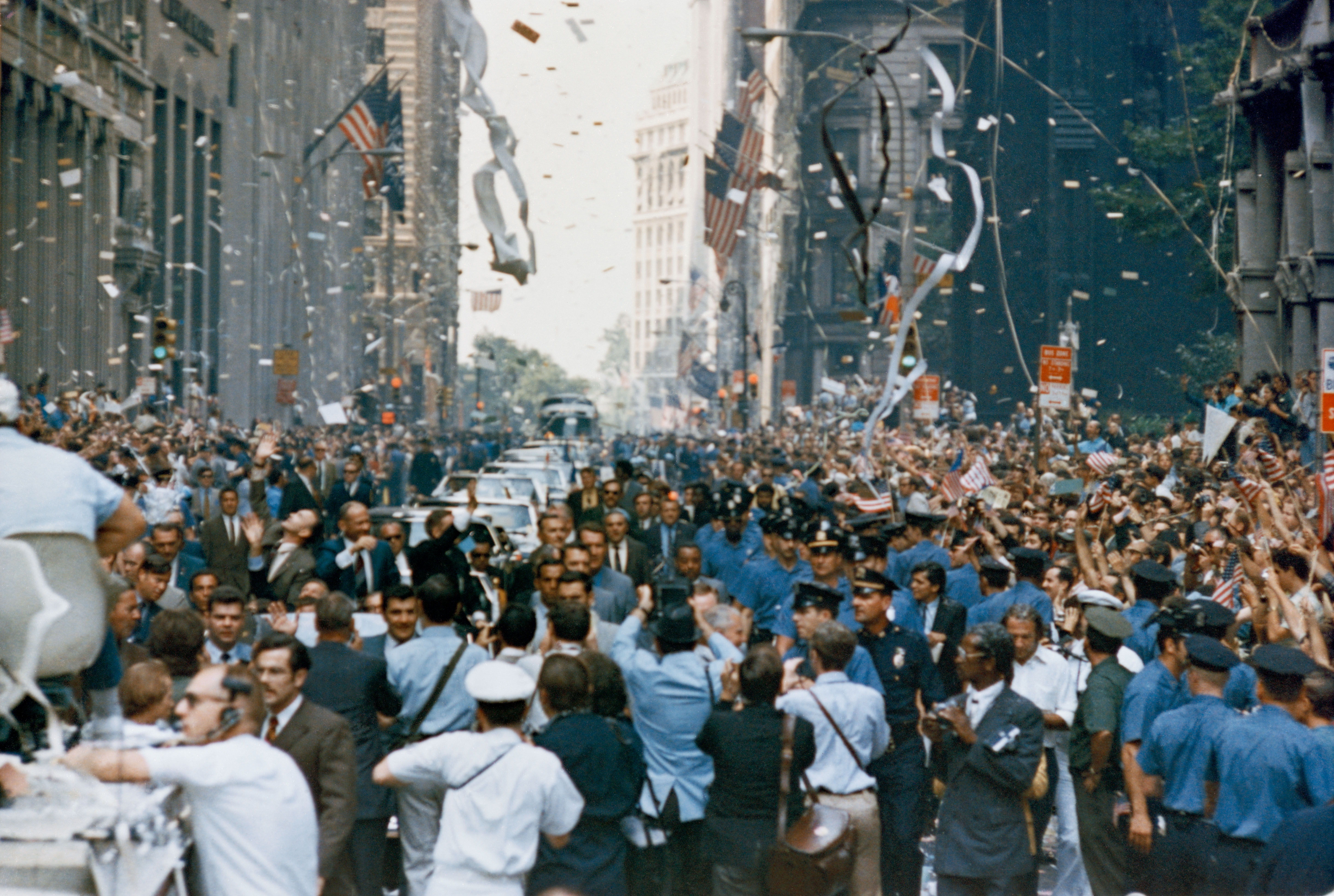
New York City continues to honor champions and heroes by covering Lower Manhattan streets with shredded paper in traditional ticker-tape parades.
This practice serves as a signature honor for the city, transforming the urban landscape into a celebratory space for the public and officials to recognize extraordinary achievements.
The tradition began spontaneously in 1886 [1]. At the time, the celebrations utilized waste ticker-tape from the financial district, where the paper strips were used to record stock prices and other market data. What started as a grassroots response to notable events evolved into a structured city ceremony.
These events primarily take place in the "Canyon of Heroes." This specific stretch of streets runs from Bowling Green to City Hall and often follows the path of Wall Street. The geography of the area, characterized by tall buildings that trap the falling paper, creates the iconic visual of a paper-filled corridor.
Today, the city uses shredded paper to simulate the original ticker-tape. These parades are reserved for a select group of recipients, including sports champions, national heroes, and individuals who have reached significant milestones of achievement. The process involves city officials and the public gathering in the streets to witness the descent of paper from office windows and rooftops.
The transition from actual financial waste to intentional shredded paper reflects the shift from a spontaneous act of celebration to a managed civic ritual. Despite the change in materials, the core purpose remains the same—to provide a public, visceral acknowledgement of success in the heart of the U.S. financial capital.
“The tradition began spontaneously in 1886.”
The persistence of the ticker-tape parade demonstrates how New York City institutionalizes spontaneous history. By maintaining a tradition born from the waste of the 19th-century financial industry, the city links its modern identity as a global capital of sports and culture to its historical roots as a center of commerce.