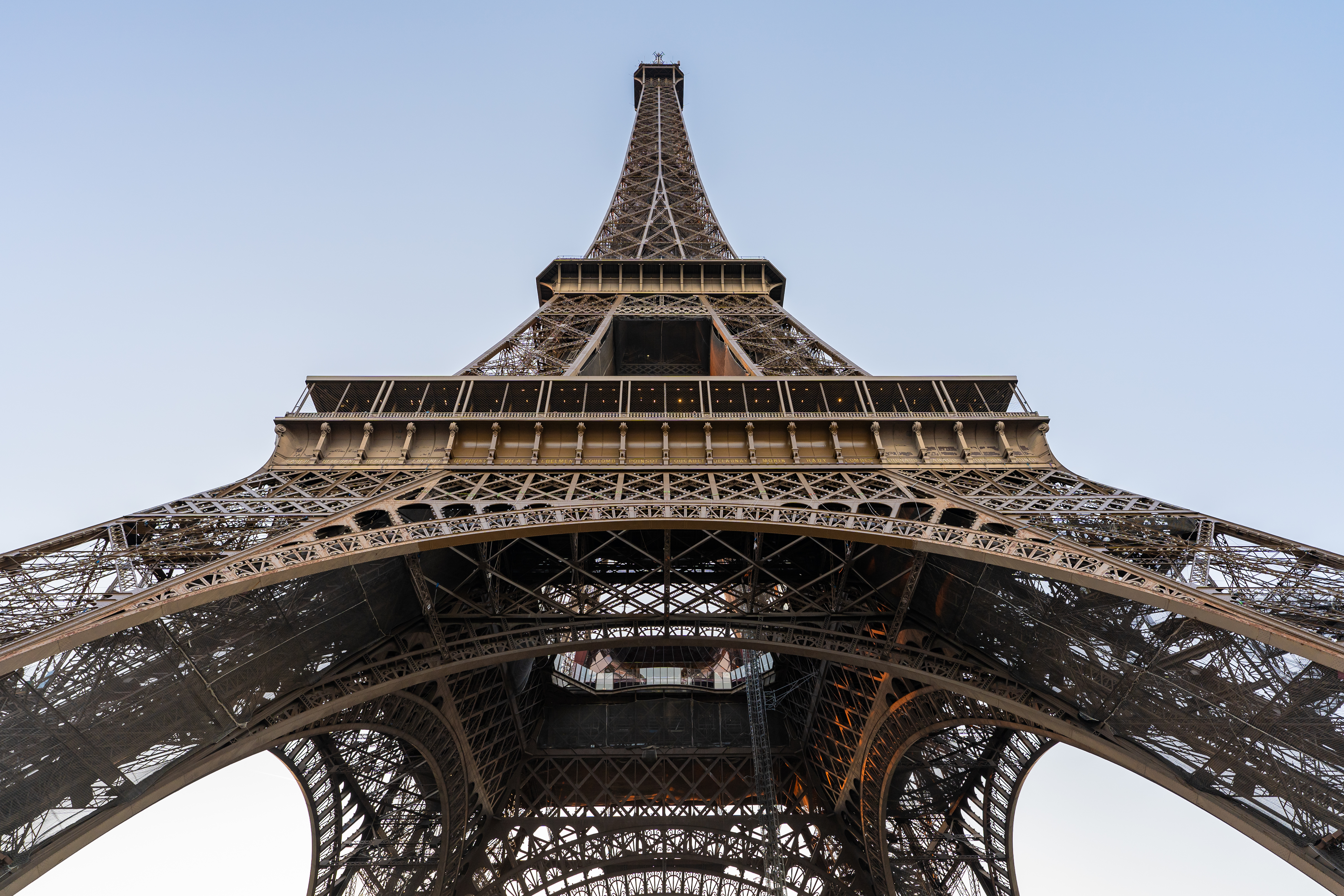
Three iconic Paris landmarks are utilizing virtual reality, contemporary art, and cultural programming to reshape how the public experiences the city's heritage [1].
These transformations signal a shift in urban preservation, moving away from static monuments toward immersive environments that blend historic architecture with modern technology. By integrating digital tools and artist-led interventions, the city aims to keep its heritage relevant for new generations.
The Eiffel Tower has introduced a new virtual-reality experience that allows visitors to explore the history of the structure [1]. This digital layer provides a chronological perspective of the tower's evolution, offering a narrative that exceeds the capabilities of traditional signage or guided tours.
At the Quai Branly Museum, the focus is on a milestone celebration. The museum is marking 20 years [1] of its existence through specialized cultural programming. The anniversary serves as a pivot point to evaluate how the institution presents non-European art within the heart of the French capital.
Contemporary art is also playing a central role at the Pont Neuf. French artist JR has transformed the site with a cave-inspired art installation [1]. The project uses the physical space of the bridge to create a dialogue between the ancient foundations of the city and the modern artistic vision of the street.
Together, these three sites—the Eiffel Tower, the Quai Branly Museum, and the Pont Neuf [1, 2]—demonstrate a coordinated effort to reimagine Paris. The integration of VR and large-scale installations suggests that the future of tourism in the city will rely heavily on multisensory engagement rather than passive observation.
“Three iconic Paris landmarks are utilizing virtual reality, contemporary art, and cultural programming to reshape how the public experiences the city's heritage.”
The convergence of high-tech VR and street art at historic sites indicates a broader trend in European cultural management. By updating 'static' landmarks with dynamic content, Paris is attempting to solve the challenge of museum fatigue and the repetitive nature of global tourism, effectively turning the city itself into a living gallery.


