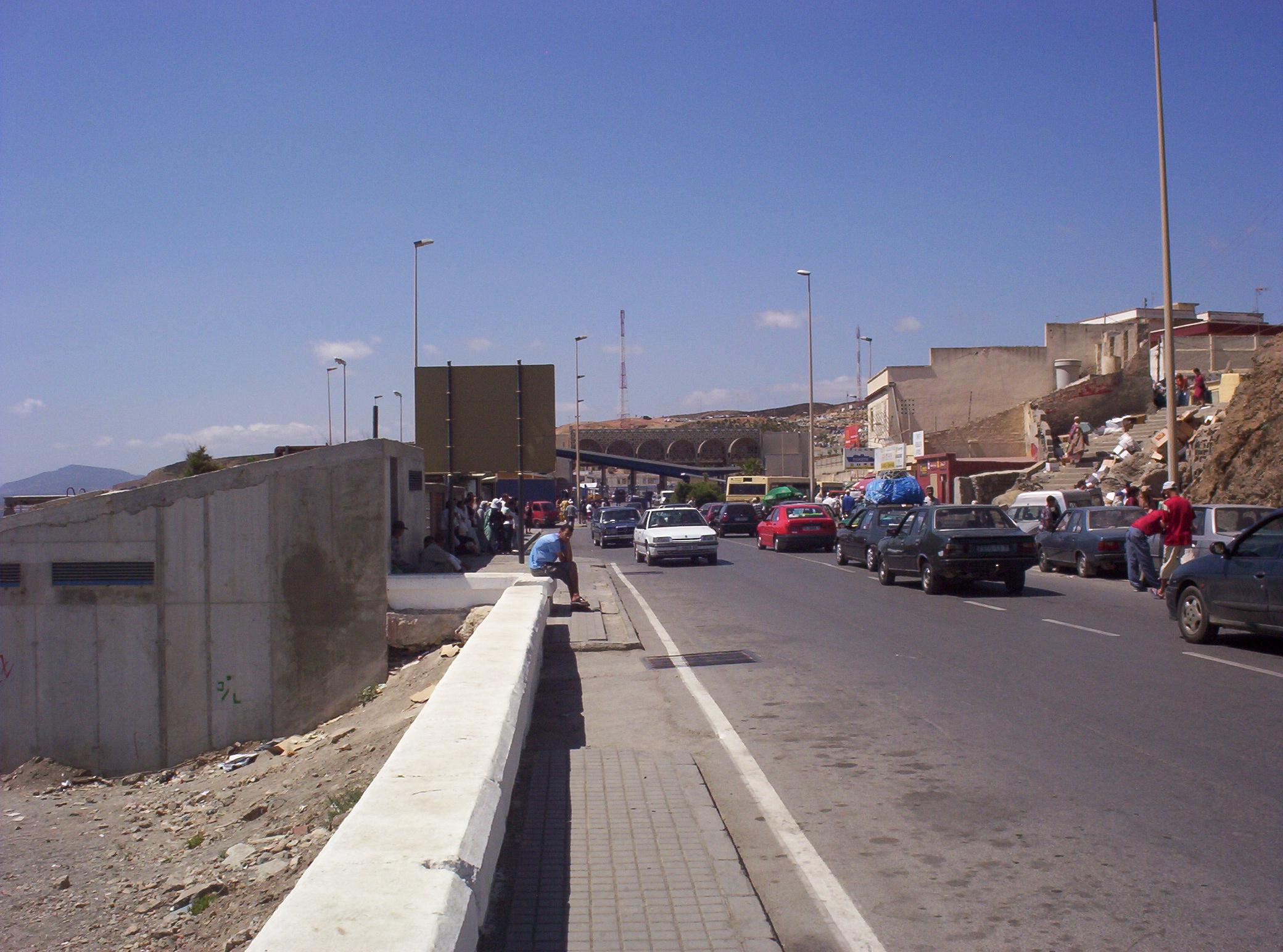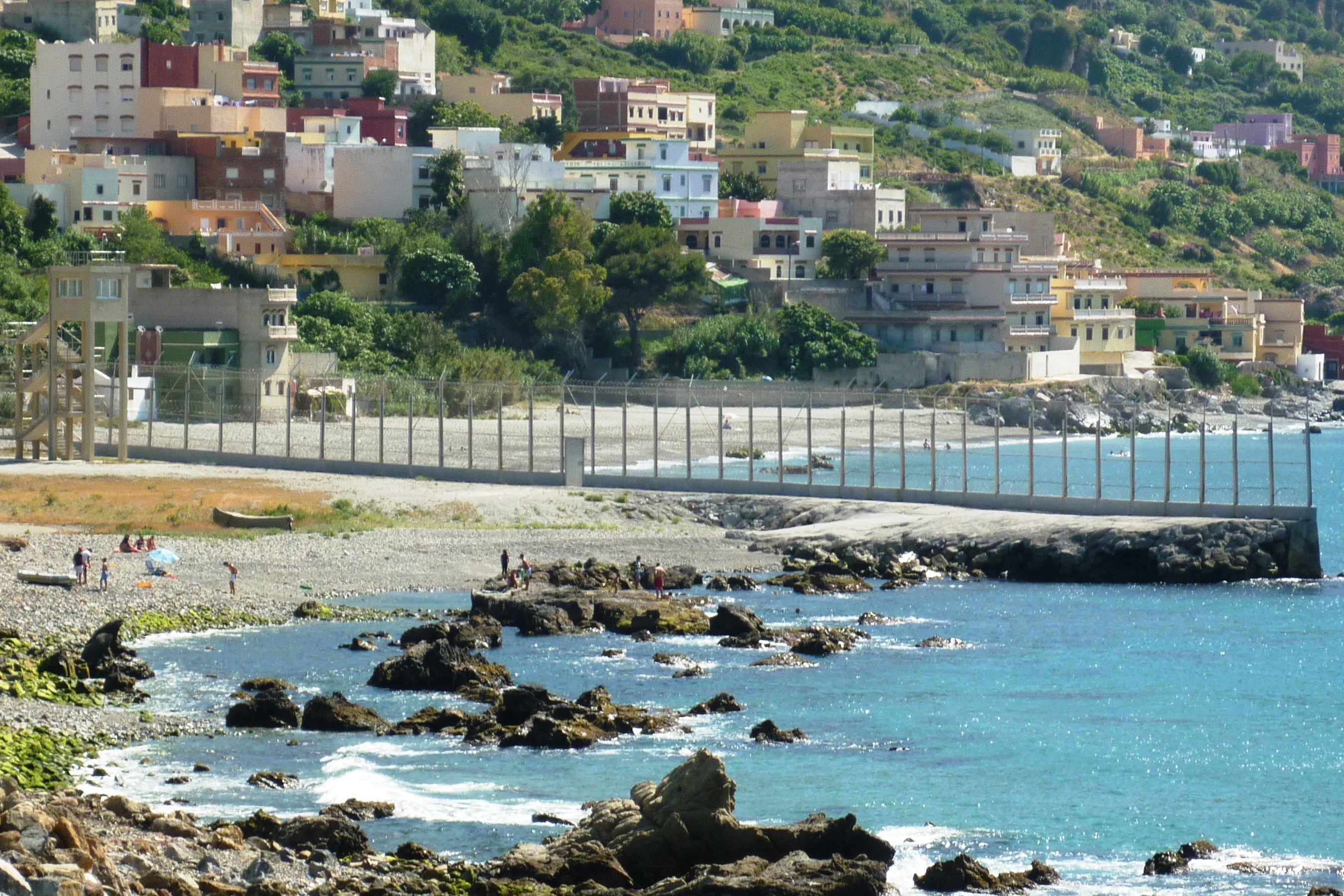
Spanish Prime Minister Pedro Sánchez condemned the mass crossing of migrants into Ceuta as a violation of Spain's territorial integrity during a visit to the enclave.
The situation marks a severe escalation in border tensions between Spain and Morocco, threatening regional stability and challenging the sovereignty of the North African Spanish territory.
Sánchez described the influx as "an attack, a violation of Spain's national territory," he said [2]. The prime minister said the event deserves reproach and condemnation at the strongest possible level [2].
Reports on the scale of the crossing vary across sources. Some estimates indicate that around 40,000 migrants entered the enclave [2], while other reports place the number at 50,000 [4] or as many as 60,000 [1].
The humanitarian cost of the breach has also been significant. Reports state that at least 18 people died during the crossing [4], though other data suggests the death toll reached 34 [1].
Ceuta, a Spanish enclave bordering Morocco, has long been a flashpoint for migration. Sánchez said the sudden influx constitutes a breach of sovereign territory and therefore deserves the strongest possible condemnation [4].
The Spanish government's response focuses on the legal and territorial implications of the breach. By framing the event as a violation of territorial integrity, the administration signals that it views the movement of people not merely as a migration crisis, but as a challenge to national security [3].
“An attack, a violation of Spain's national territory.”
The use of high-level security language like 'attack' and 'territorial integrity' suggests that Spain views the migrant influx as a geopolitical tool rather than a spontaneous humanitarian event. This framing likely aims to pressure Morocco to increase border controls and acknowledges the strategic vulnerability of the Ceuta enclave.