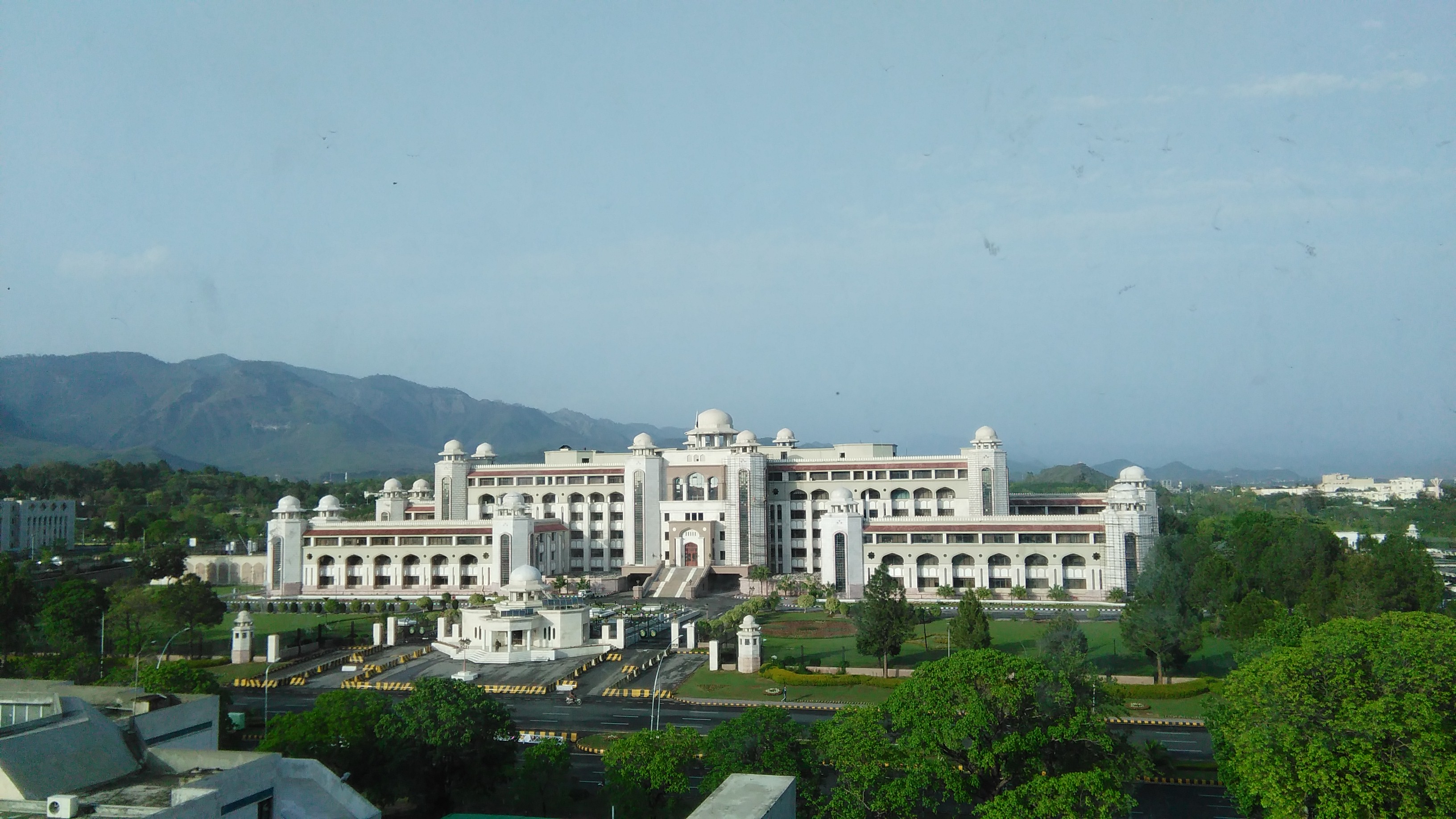
Prime Minister Muhammad Shehbaz Sharif met with Chinese Ambassador Jiang Zaidong on June 3, 2026, to discuss bilateral ties in Islamabad [1, 2].
The meeting serves as a critical follow-up to ensure that agreements made during high-level diplomatic visits are translated into actionable policies. As Pakistan seeks economic stability, the implementation of these ties remains a central pillar of its foreign strategy.
The discussion took place at the Prime Minister House, where both officials focused on the consensus reached between President Xi Jinping and Pakistan's leadership [2]. A primary objective of the call was to track the progress of decisions made during the prime minister's recent official visit to China [1, 3].
That visit lasted four days [4] and focused on strengthening the strategic partnership between the two nations. The officials discussed how Pakistan can align its cooperation with China's 15th Five-Year Plan [5] to maximize mutual economic and political benefits.
Both sides reaffirmed their commitment to the long-term stability of the relationship. The dialogue emphasized the need for continuous coordination to ensure that the agreed-upon frameworks are executed efficiently across both governments [1, 3].
Ambassador Jiang Zaidong and the prime minister reviewed the current state of diplomatic cooperation and identified areas for further collaboration. The meeting concluded with a shared intent to maintain the momentum generated by recent diplomatic exchanges [2].
“The meeting serves as a critical follow-up to ensure that agreements made during high-level diplomatic visits are translated into actionable policies.”
This meeting signals Pakistan's intent to tie its domestic economic recovery to China's long-term strategic planning. By specifically referencing the 15th Five-Year Plan, Pakistan is attempting to synchronize its development goals with Chinese state priorities to ensure continued investment and diplomatic support.


