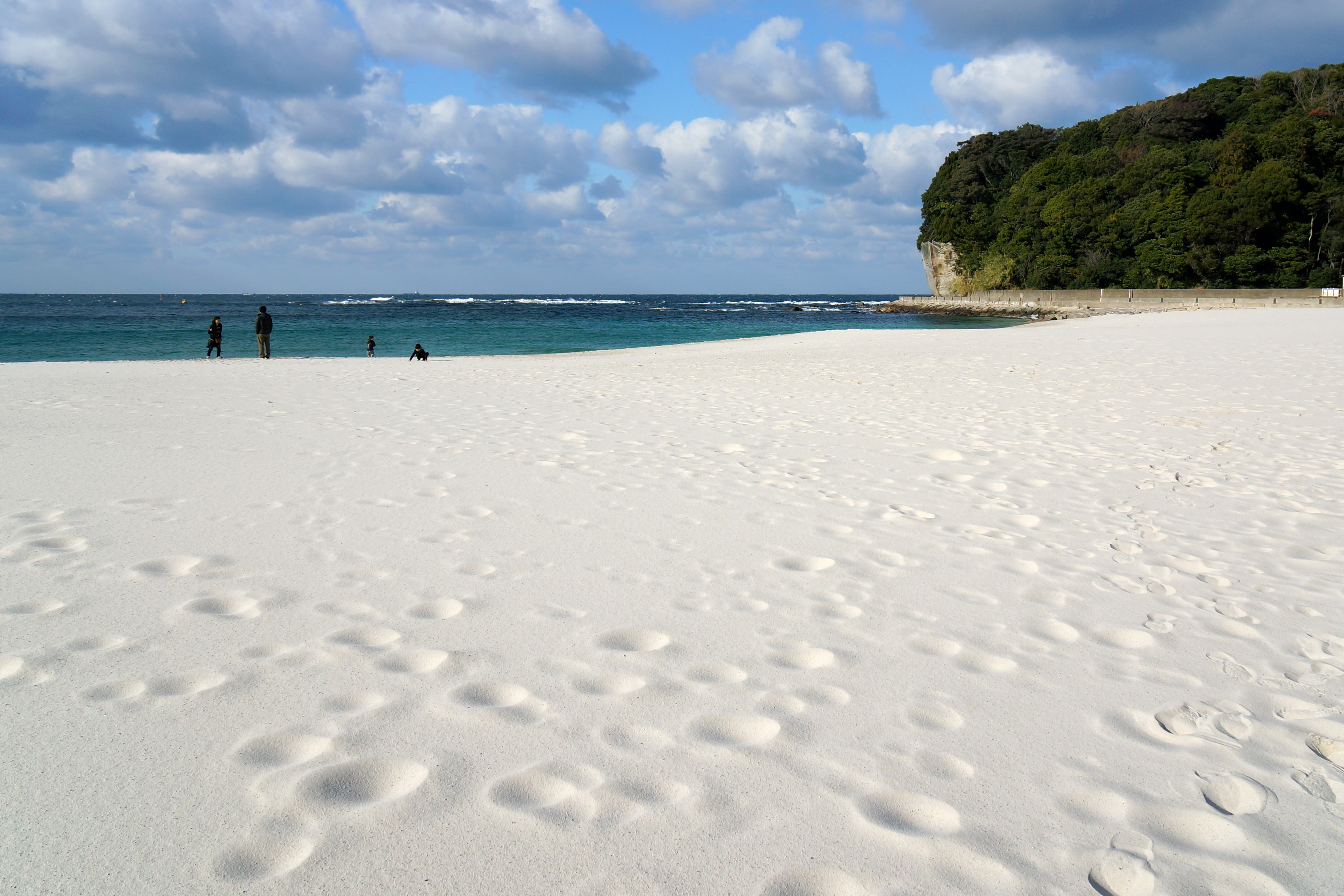
The Shirahama Town Council in Wakayama Prefecture approved a proposal on Tuesday to implement a new accommodation tax for hotel and ryokan guests [1].
This move signals a strategic shift in how the town finances its tourism infrastructure. By leveraging the high volume of visitors to its hot springs and beaches, the municipality aims to create a sustainable revenue stream specifically earmarked for regional growth.
The tax will be scaled based on the cost of the lodging, with fees ranging from 200 yen to 1,000 yen per person [1]. Local officials said they intend to begin collecting the tax in March 2027 [3].
According to an ANNnewsCH broadcast, the primary goal is to secure financial resources for tourism promotion [1]. The town said it expects the measure to generate approximately 650 million yen in annual tax revenue [1].
Certain groups will be exempt from the payment. The tax will not apply to children under 12 years of age, or students traveling on school trips [1].
Shirahama is joining a growing number of Japanese municipalities adopting similar fiscal strategies. Currently, 38 cities and towns across the country have implemented their own versions of an accommodation tax [1].
“The tax will be scaled based on the cost of the lodging, with fees ranging from 200 yen to 1,000 yen per person.”
The adoption of an accommodation tax in Shirahama reflects a broader trend in Japanese local governance where municipalities shift the financial burden of tourism maintenance from local residents to visitors. By targeting a specific revenue goal of 650 million yen, the town is attempting to decouple its tourism development budget from general tax funds, ensuring that the growth of the travel sector directly funds its own infrastructure and promotion.


