Spain condemned Italy's demand to suspend its participation in the Schengen area on Thursday, calling the proposal demagogic [1, 2].
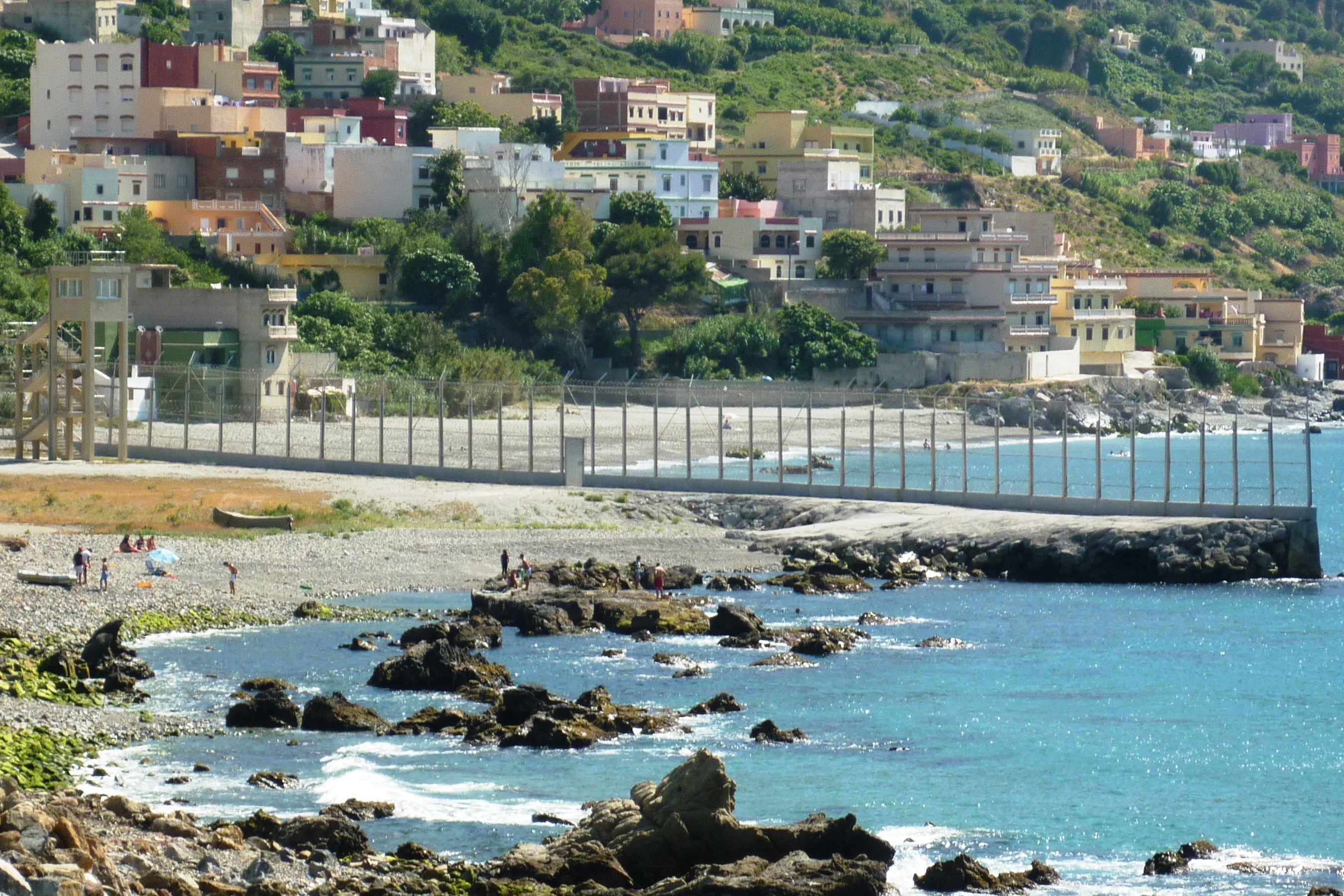
The diplomatic rift threatens European cooperation on border security and migration management. The dispute centers on the Spanish enclave of Ceuta on the northern coast of Morocco, where a massive influx of irregular migrants has occurred [1, 3].
Italian Foreign Minister Antonio Tajani called for the suspension of Spain from the border-free zone, saying that the situation threatened the integrity of the Schengen area [1, 2]. In response, Spanish Foreign Minister José Manuel Albares said the comments were "inappropriate" from a "partner and friendly country from which we expect European solidarity, not party demagoguery" [1].
Spanish authorities announced they will summon the Italian ambassador to address the matter [1, 2]. The tension follows a wave of migration into Ceuta that saw between thousands [3] and tens of thousands [1] of people arrive. Reports indicate that at least 34 migrants died during the surge [4].
The scale of the influx has created a point of contention between the two Mediterranean nations. While Italy views the breach of the Spanish border as a systemic risk to the entire zone, Spain has characterized the Italian government's reaction as political theater rather than a diplomatic effort to find a solution [1, 2].
Spain maintains that the crisis in Ceuta requires a coordinated European response rather than punitive measures against a member state [1]. The move to summon the ambassador marks a significant escalation in bilateral tensions over the management of the EU's external borders [2].
“"inappropriate" from a "partner and friendly country"”
This dispute highlights the fragility of the Schengen Agreement when faced with localized migration crises. By calling for a suspension, Italy is leveraging a security loophole to pressure Spain, while Spain's reaction underscores the tension between national sovereignty and collective EU border responsibilities. If these diplomatic frictions persist, it could lead to the temporary reintroduction of internal border controls, undermining the principle of free movement within Europe.