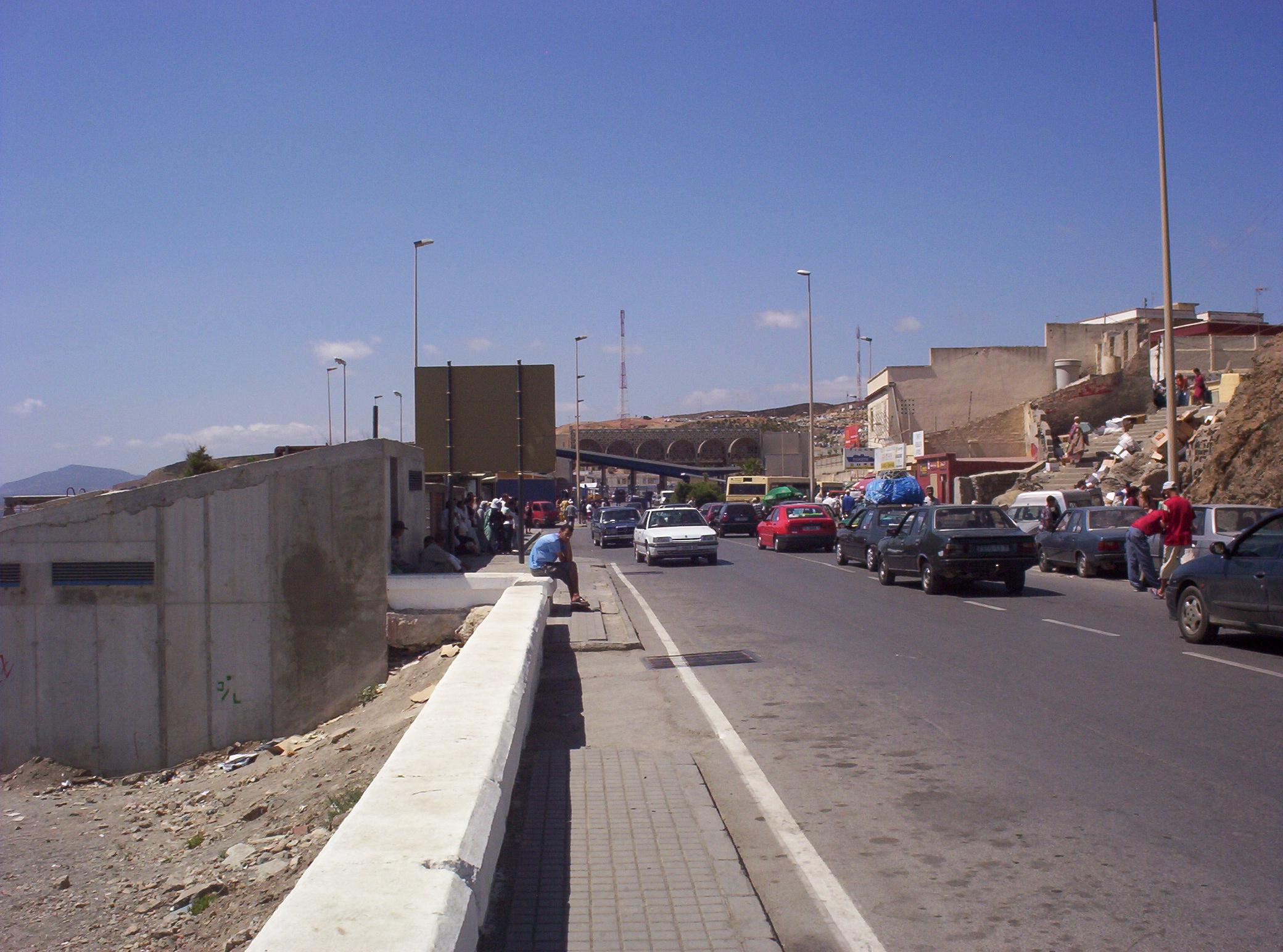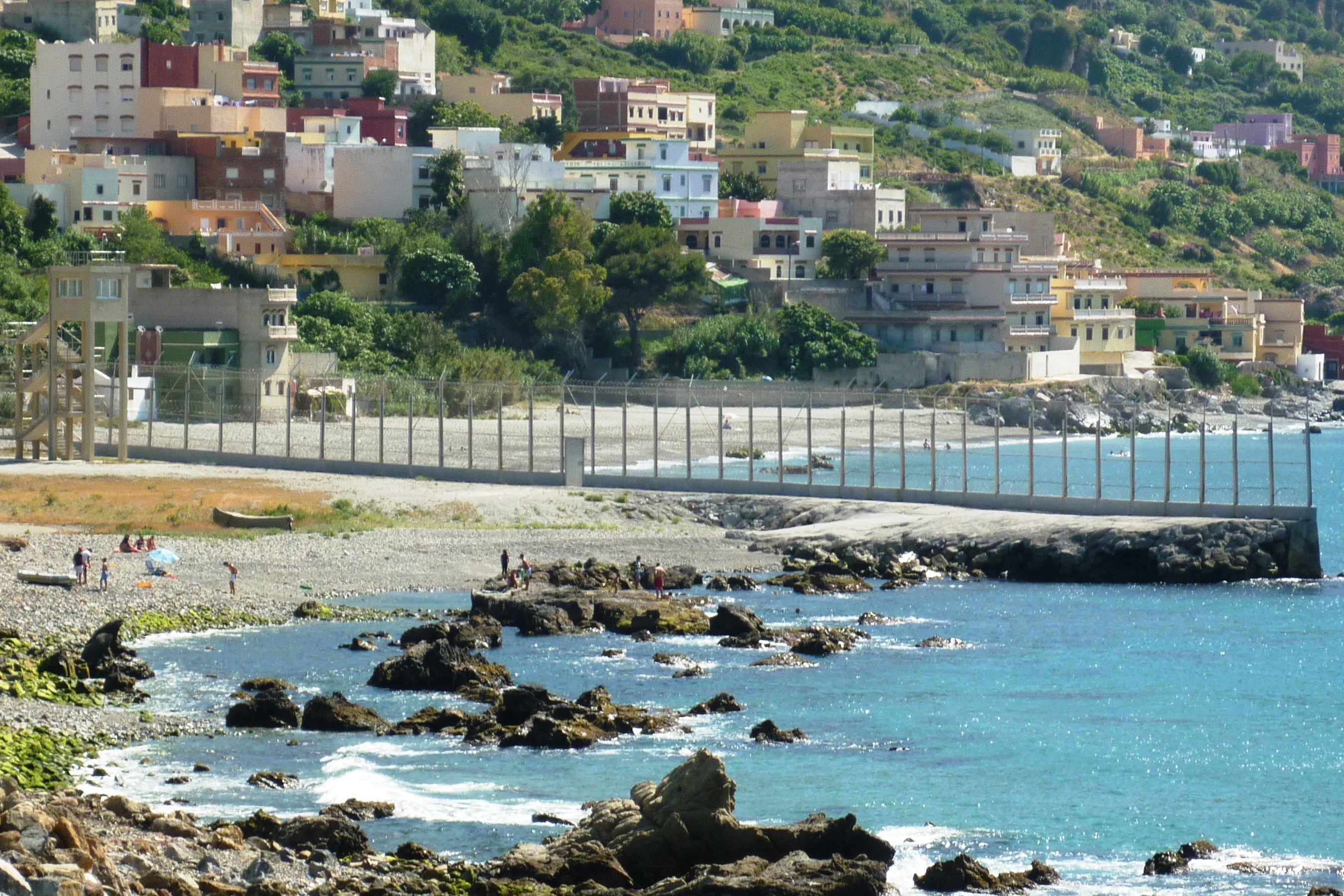
Spain deployed military personnel and additional police to the enclave of Ceuta on July 30 after thousands of migrants breached the border [1].
The surge creates a critical security and humanitarian crisis for the North African territory, testing the diplomatic stability between Spain and Morocco. The sudden influx of people has overwhelmed local infrastructure and emergency services.
Security forces were sent to the Tarajal border crossing to manage the chaos that ensued during the breach [2]. According to reports, at least nine people died during the crossings [1]. The scale of the movement involved thousands of migrants attempting to enter the Spanish territory from Morocco [3].
Local officials described the situation as a massive logistical challenge. "We have received about 60,000 migrants in the last 24 hours," Juan Jesús Vivas, president of Ceuta, said [4].
The deployment of troops aims to restore order and secure the perimeter of the enclave. While some reports indicate that migrants voluntarily left the area after crossing, other accounts describe a scene of absolute chaos and overwhelming pressure on the border checkpoints [1, 4].
Spanish authorities are currently working to process the individuals who entered the enclave. The use of military assets reflects the severity of the breach, a move typically reserved for extreme security threats to the territory's integrity [2].
“"We have received about 60,000 migrants in the last 24 hours,"”
This escalation highlights the precarious nature of the Ceuta border as a geopolitical flashpoint. The deployment of the military suggests that Spain views the surge not merely as a migration event, but as a security breach that requires state-level intervention to prevent further loss of life and maintain territorial control.