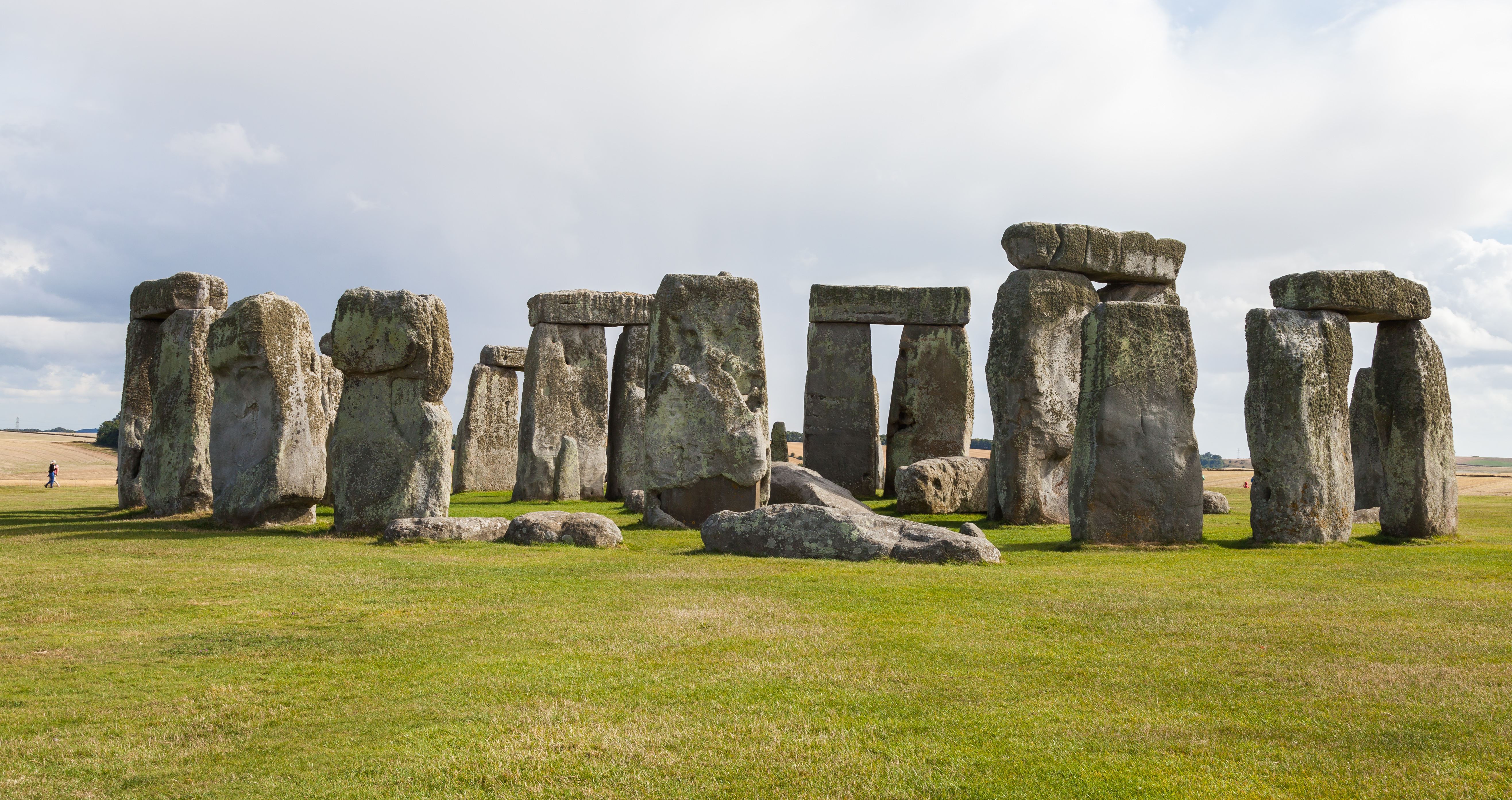
Archaeologists led by Phil Harding have uncovered a prehistoric stone structure described as a prototype of Stonehenge near the village of Bulford [1].
The discovery suggests that the construction of Stonehenge was not a single event but the result of a developmental process. By identifying an earlier version of the monument, researchers can better understand how ancient builders tested solar alignments and engineered the massive site.
The structure is located in Wiltshire, England, approximately three miles west of the primary Stonehenge site [1, 3, 4]. This proximity indicates that the early builders remained centered in the same geographic region while refining their architectural techniques over centuries.
Lead archaeologist Phil Harding said, "What we've discovered at Bulford is 500 years earlier than the famous stones we know so well" [1]. This timeline places the Bulford site as a precursor that predates the more recognizable phases of Stonehenge by five centuries [1]. Other reports describe the prototype as being 5,000 years old [2].
Researchers believe the site represents an earlier version used to test solar alignment [5, 1]. The announcement came this week, coinciding with the period just before the summer solstice, a date of significant astronomical importance to the original builders [1, 4, 5].
The discovery provides a physical record of the steps that led to the construction of the world-famous monument [5, 1]. By studying the layout of the Bulford stones, archaeologists hope to determine if the prototype served a ritual purpose, or was primarily a technical experiment in celestial tracking.
“What we've discovered at Bulford is 500 years earlier than the famous stones we know so well.”
This discovery shifts the understanding of Stonehenge from a static monument to a long-term engineering project. The existence of a prototype suggests that the Neolithic people of Wiltshire engaged in iterative design and empirical testing of solar alignments over several hundred years before committing to the scale and permanence of the main Stonehenge site.


