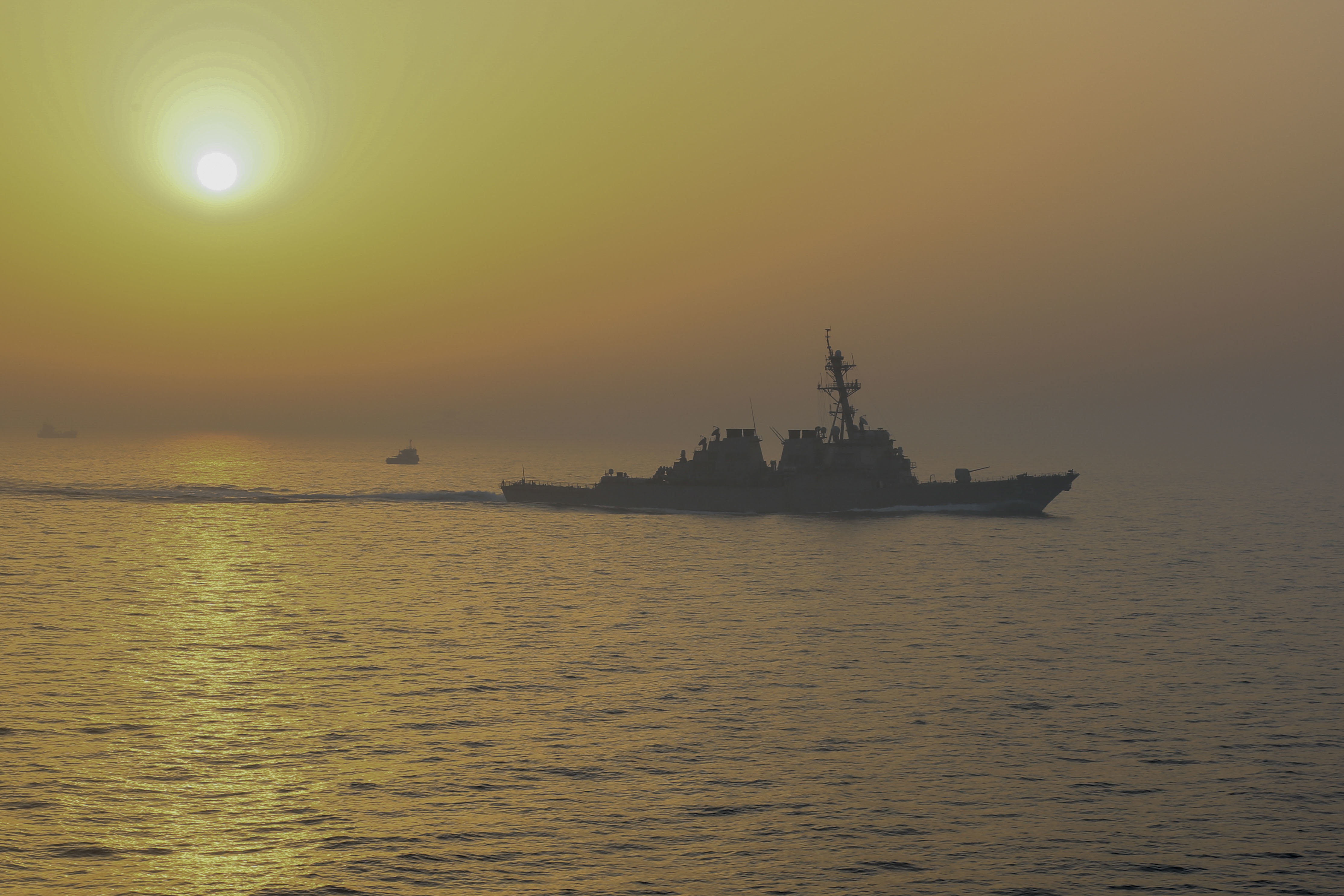
The United States has re-imposed a naval blockade of Iranian ports and the Strait of Hormuz, restricting commercial shipping in the region [1].
This escalation threatens one of the world's most critical oil transit chokepoints. Any prolonged disruption in the Strait of Hormuz could destabilize global energy markets and increase the risk of direct military conflict between the two nations.
U.S. officials said the blockade is intended to pressure Iran to resume diplomatic negotiations and halt attacks on shipping [1]. The move follows a period of heightened tension in the Persian Gulf, where naval forces from both sides have maintained a presence.
Iranian officials said the U.S. blockade is illegal. Tehran has threatened to close the waterway entirely if the restrictions continue [1].
The current crisis follows a history of intermittent closures and reopenings in the region. A Reuters report from April 17, 2024 [2], noted that Iran had previously temporarily reopened the Strait of Hormuz, which at the time raised optimism regarding potential peace talks.
However, that optimism has faded. Recent updates from mid-July 2026, including reports from NPR on July 14, 2026 [3], indicate that the blockade is once again in effect. The restriction of Iranian ports and the narrow waterway has created a volatile environment for international commercial vessels.
While some reports have attributed the blockade to Iranian forces, other primary reporting indicates the U.S. is the party maintaining the naval restriction [1]. The conflicting accounts highlight the fog of war and the high level of tension currently characterizing the Persian Gulf.
“The United States has re-imposed a naval blockade of Iranian ports and the Strait of Hormuz.”
The re-imposition of the blockade signifies a shift back toward maximum pressure tactics by the U.S. government. By targeting the Strait of Hormuz, the U.S. is leveraging a global economic vulnerability to achieve a diplomatic breakthrough. However, this strategy carries the inherent risk of a miscalculation that could lead to a full-scale naval engagement, potentially triggering a global energy crisis due to the volume of oil that passes through the strait daily.


'%2F%3E%0A%20%20%20%20%3Crect%20width%3D'1600'%20height%3D'900'%20fill%3D'url(%23v)'%2F%3E%0A%20%20%20%20%3Cg%20opacity%3D'0.08'%20fill%3D'%23ffffff'%3E%0A%20%20%20%20%20%20%3Ccircle%20cx%3D'1420'%20cy%3D'180'%20r%3D'220'%2F%3E%0A%20%20%20%20%20%20%3Ccircle%20cx%3D'1500'%20cy%3D'760'%20r%3D'120'%2F%3E%0A%20%20%20%20%3C%2Fg%3E%0A%20%20%20%20%3Cline%20x1%3D'80'%20y1%3D'172'%20x2%3D'220'%20y2%3D'172'%20stroke%3D'%23ffffff'%20stroke-width%3D'3'%20stroke-opacity%3D'0.6'%2F%3E%0A%20%20%20%20%3Ctext%20x%3D'80'%20y%3D'140'%20font-family%3D'Inter%2C%20-apple-system%2C%20Helvetica%2C%20sans-serif'%20font-weight%3D'700'%20font-size%3D'28'%20fill%3D'%23ffffff'%20letter-spacing%3D'6'%3EHANNA%20%C2%B7%20NEWS%3C%2Ftext%3E%0A%20%20%20%20%3Ctext%20x%3D'80'%20y%3D'230'%20font-family%3D'Inter%2C%20-apple-system%2C%20Helvetica%2C%20sans-serif'%20font-weight%3D'600'%20font-size%3D'40'%20fill%3D'%23ffffffb3'%20letter-spacing%3D'4'%3EWORLD%3C%2Ftext%3E%0A%20%20%20%20%3Ctext%20x%3D'80'%20y%3D'622'%20font-family%3D'Playfair%20Display%2C%20Georgia%2C%20serif'%20font-weight%3D'800'%20font-size%3D'86'%20fill%3D'%23ffffff'%20letter-spacing%3D'-1'%3EPriyanka%20Gandhi%20Vadra%3C%2Ftext%3E%3Ctext%20x%3D'80'%20y%3D'721'%20font-family%3D'Playfair%20Display%2C%20Georgia%2C%20serif'%20font-weight%3D'800'%20font-size%3D'86'%20fill%3D'%23ffffff'%20letter-spacing%3D'-1'%3ECriticizes%20Saffron%20Hockey%3C%2Ftext%3E%3Ctext%20x%3D'80'%20y%3D'820'%20font-family%3D'Playfair%20Display%2C%20Georgia%2C%20serif'%20font-weight%3D'800'%20font-size%3D'86'%20fill%3D'%23ffffff'%20letter-spacing%3D'-1'%3EJersey%3C%2Ftext%3E%0A%20%20%20%20%3Ctext%20x%3D'80'%20y%3D'870'%20font-family%3D'Inter%2C%20-apple-system%2C%20Helvetica%2C%20sans-serif'%20font-weight%3D'500'%20font-size%3D'22'%20fill%3D'%23ffffff66'%20letter-spacing%3D'2'%3Enews.hanna-ai.com%3C%2Ftext%3E%0A%20%20%3C%2Fsvg%3E)