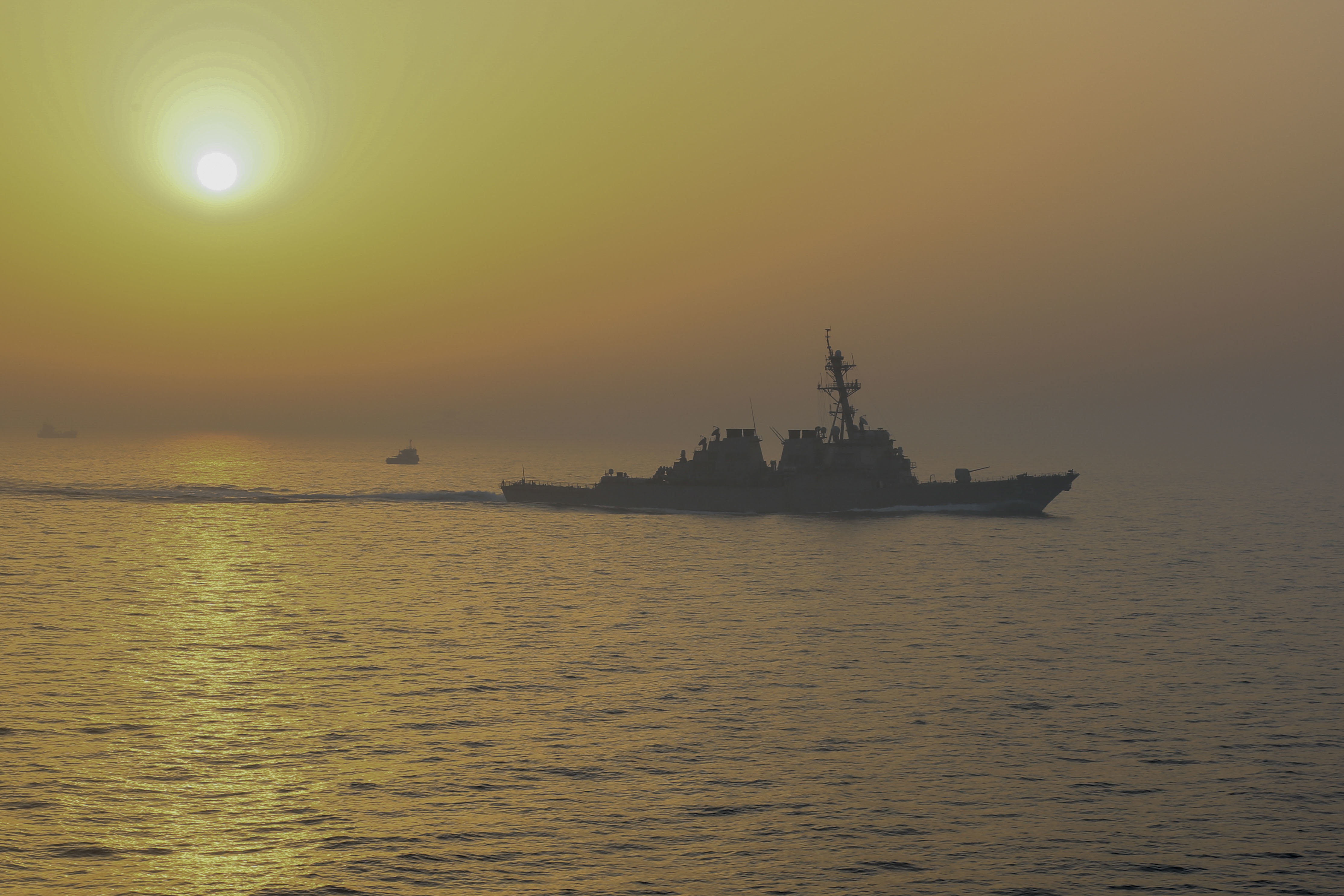
The United States and Iran have reached an agreement to end hostilities and extend a ceasefire [4].
This development is critical for global stability, as the deal aims to reopen the Strait of Hormuz and prevent a broader regional war. The resolution of these tensions would secure a vital artery for global oil shipments and reduce the immediate threat of military escalation.
Reports of a deal surfaced June 15 [4], though key questions regarding the implementation of the agreement remain. This follows a period of intense diplomacy in Washington, D.C., including high-level meetings at the White House.
Earlier in the process, President Donald Trump (R-FL) indicated the negotiations were progressing rapidly. On May 23, Trump said the U.S. was in the final stages of talks [1]. At that time, he noted the potential for a quick resolution, saying, "We’ll see what happens" [1].
However, Iranian officials provided a more cautious timeline during the spring. On May 25, Iranian Foreign Ministry spokesperson Esmaeil Baghaei said a final agreement with the U.S. was not imminent [2]. Baghaei said that while a final deal was not immediate, the two sides had reached a conclusion on many topics [2].
Contradictions persisted throughout the negotiations. On June 12, Iranian officials said that no final agreement had been reached [3]. Other reports from late May suggested a high-level meeting ended without a final determination or a signed deal [2].
Despite these discrepancies, the most recent reports indicate a breakthrough. The agreement follows weeks of pressure to stabilize the region and extend existing ceasefire terms to avoid renewed conflict [5].
“"Final agreement with US not imminent but reached conclusion on many topics."”
The gap between the U.S. and Iranian public statements suggests a fragile diplomatic environment where both sides are managing domestic expectations. While the reported agreement on June 15 marks a significant step toward de-escalation, the previous denials from Tehran and the unresolved 'key questions' indicate that the deal's durability depends on specific, yet-to-be-disclosed terms regarding sanctions and regional security.


