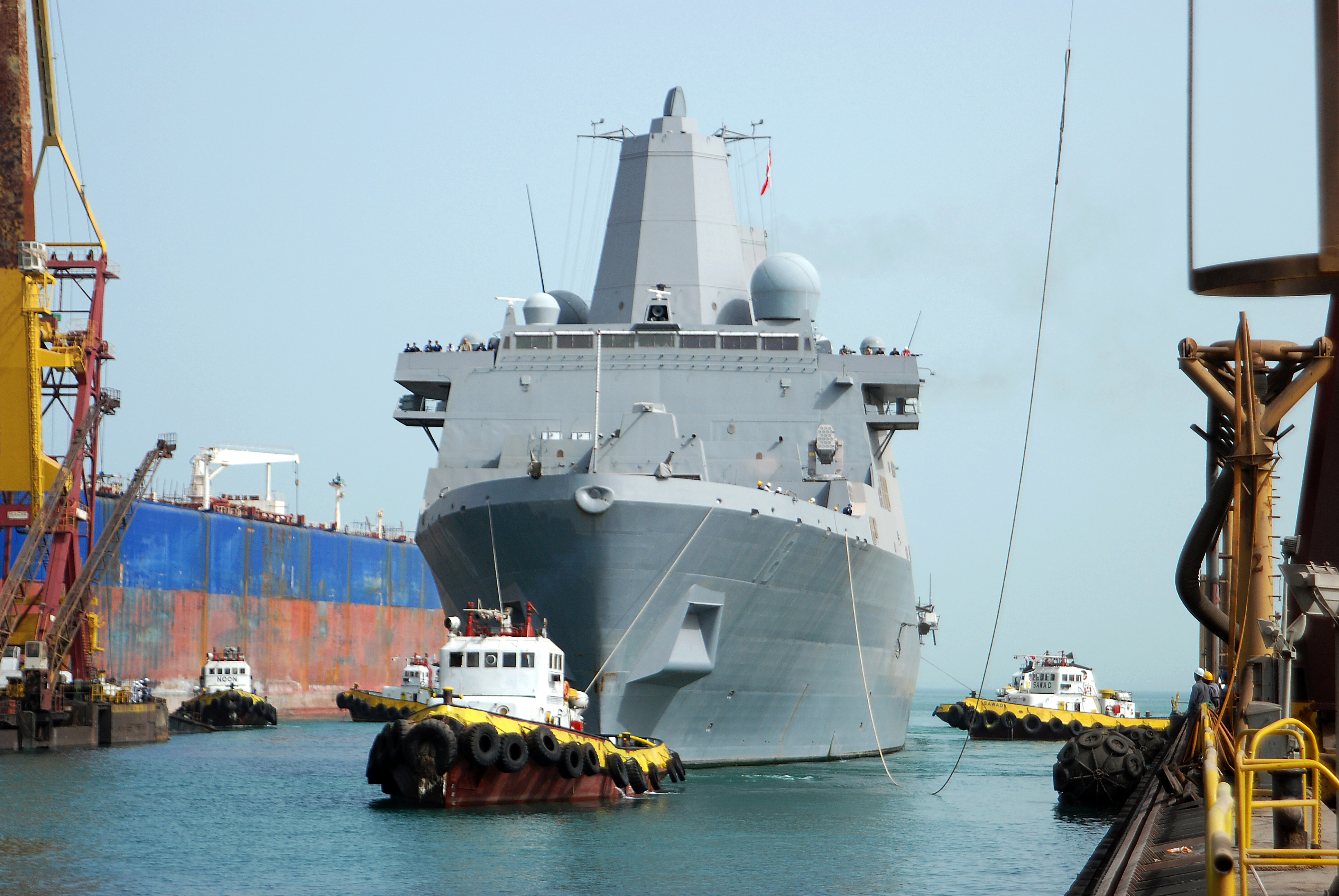
The U.S. Navy is planning a major overhaul of its torpedo stockpiles to support a shift toward a two-war military strategy [1].
This initiative marks a critical pivot in maritime readiness as the military seeks to maintain combat capabilities across multiple theaters simultaneously. The move comes as officials address vulnerabilities in current munitions levels that could hinder long-term engagements.
The overhaul specifically targets the production of MK-48 and MK-54 torpedoes [1], [2]. These weapons are central to the Navy's undersea warfare capabilities, and increasing their availability is a priority for lawmakers pushing the updated strategy [2].
The push for increased production follows a period of significant resource depletion. According to reports, missile stockpiles were depleted during the Iran war [1], leaving the military with a need to rebuild and diversify its arsenal to avoid similar shortages in future conflicts.
Lawmakers said the current stockpiles are insufficient for the demands of a two-war strategy [1]. By focusing on the MK-48 and MK-54 models, the Navy aims to ensure that submarine and surface fleets have the necessary firepower to operate in high-threat environments without risking critical shortages.
This strategic shift reflects a broader effort to modernize the U.S. military's logistics and procurement processes. The goal is to transition from a system designed for single-theater operations to one capable of sustaining two simultaneous major conflicts [1].
While the specific timeline for the full stockpile restoration has not been detailed, the focus on these specific torpedo models indicates an immediate priority for undersea deterrence [2].
“The Navy's torpedo overhaul targets MK-48 and MK-54 production as lawmakers push a two-war strategy.”
The shift to a two-war strategy signifies a departure from the post-Cold War era of concentrated regional focus. By rebuilding torpedo stocks after the Iran war, the U.S. is signaling that it no longer views a single-theater conflict as the primary risk, but is instead preparing for the possibility of simultaneous high-intensity engagements in different parts of the world.


