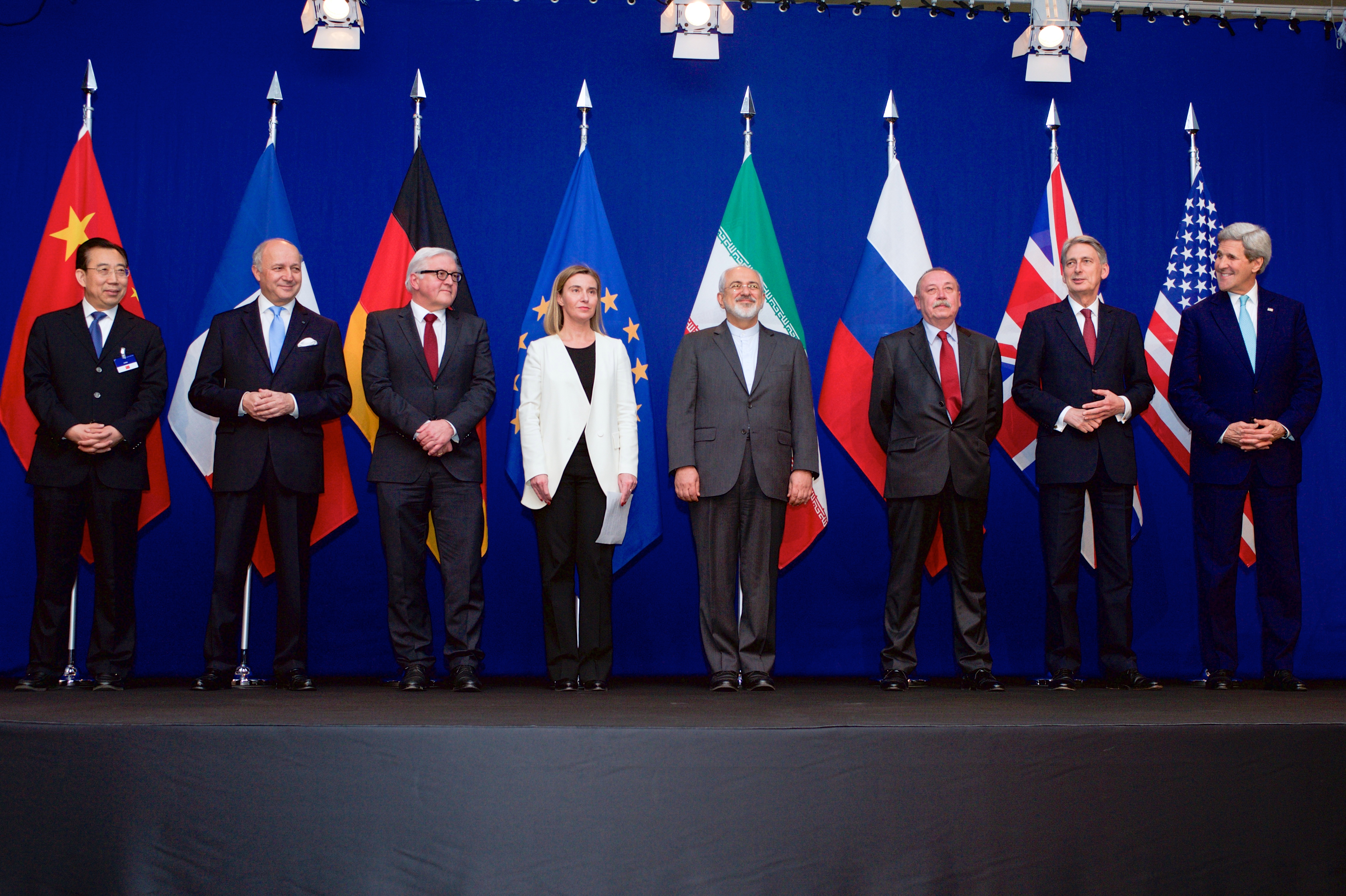
The U.S. Vice President arrived in Switzerland on Sunday to begin detailed cease-fire negotiations with Iran [1].
These talks represent a critical escalation in diplomatic efforts to end hostilities. The mission follows a preliminary agreement that sets the stage for a formal peace treaty, signaling a potential shift in Middle East stability.
According to reports, the current negotiations are intended to finalize the specific terms of a cease-fire [1]. This follows the signing of a memorandum of understanding, or MOU, which took place on the 17th [1] in Versailles, France [1].
While the U.S. administration focuses on the diplomatic track, President Donald Trump offered sharp criticism of Israeli leadership. Trump said that Prime Minister Benjamin Netanyahu would be in prison if not for him [1].
Analysts note that the previous agreement signed in Versailles was an MOU rather than a full cease-fire agreement [1]. The current trip to Switzerland is designed to move beyond that preliminary framework and enter the main phase of negotiations [1].
The U.S. Vice President's arrival marks the beginning of these detailed discussions, though the specific timeline for a final agreement remains unconfirmed [1].
“The U.S. Vice President arrived in Switzerland to begin detailed cease-fire negotiations with Iran.”
The transition from a memorandum of understanding to detailed negotiations in Switzerland indicates a structured U.S. approach to Iranian diplomacy. However, the public friction between President Trump and Prime Minister Netanyahu suggests a volatile relationship between the U.S. and its closest regional ally, which could complicate the implementation of any negotiated cease-fire.