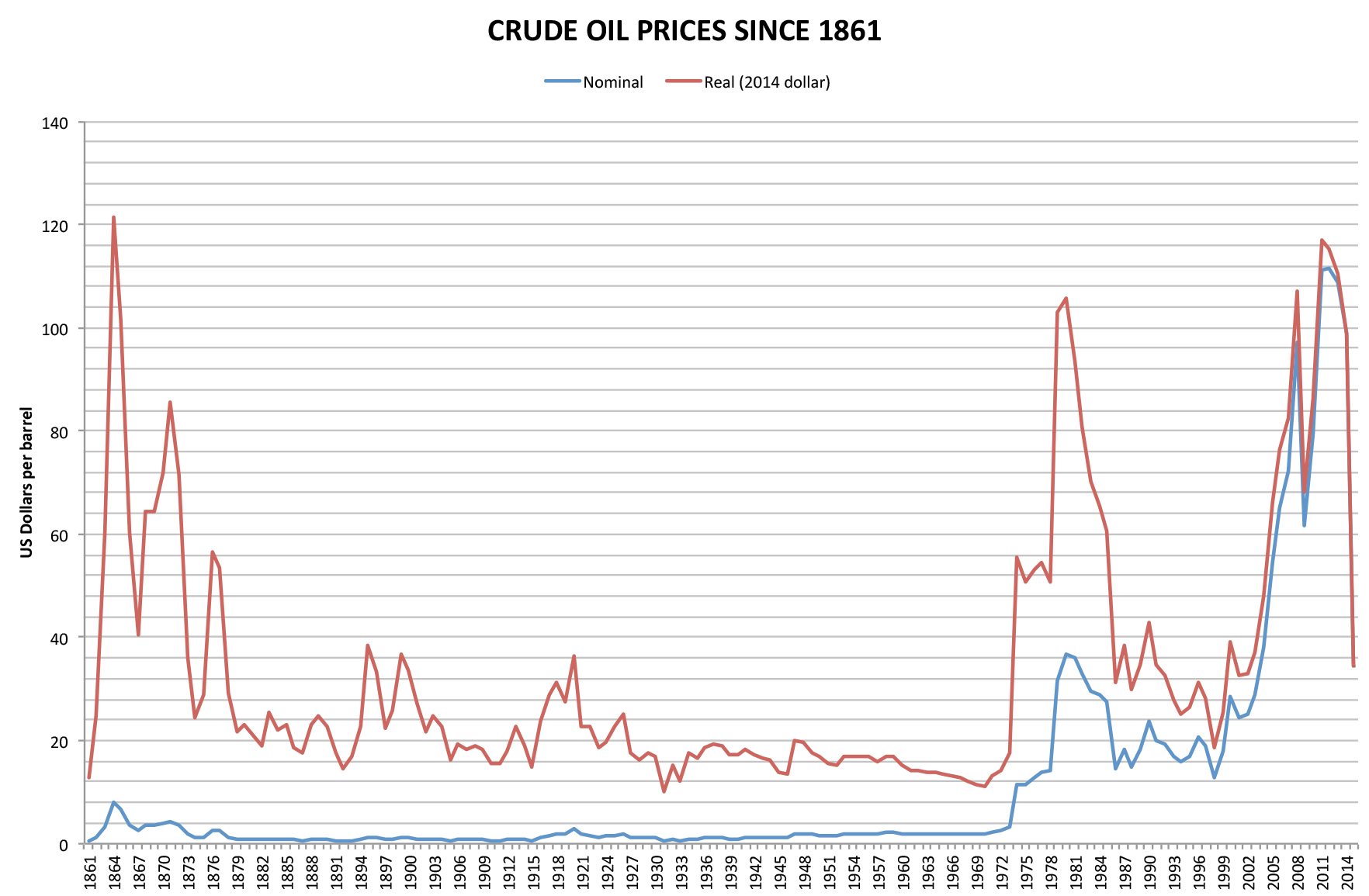
The Australian share market fell 0.8% on Thursday as renewed hostilities between the U.S. and Iran drove global oil prices higher [1].
This decline reflects the sensitivity of equity markets to geopolitical instability. When tensions rise in oil-producing regions, the resulting spike in energy costs often triggers a broad sell-off across multiple industrial sectors.
Brent crude futures rose to above US$92 per barrel following renewed attacks between the U.S. and Iran [1], [2]. The surge in energy costs contributed to a downturn in the ASX, where almost every sector posted losses [1], [2].
Investors shifted away from equities as the risk of further escalation increased. The volatility in the oil market created a ripple effect across the Australian trading venues, prompting a cautious approach from shareholders.
Market analysts said that the geopolitical tension heightened the risk of supply disruptions. Because energy is a primary input for most businesses, the rise in crude prices typically puts downward pressure on corporate profit margins.
While some sectors usually hedge against oil spikes, the breadth of the losses on the ASX indicates a wider flight to safety. Traders are now monitoring the situation in the Middle East to determine if the price of Brent crude will stabilize or continue to climb [1], [2].
“The Australian share market fell 0.8% on Thursday”
The correlation between Middle Eastern instability and the ASX illustrates how regional conflicts can immediately impact domestic Australian investments. A sustained oil price above US$92 per barrel may lead to increased inflationary pressure, potentially influencing future monetary policy and interest rate decisions to combat rising operational costs for businesses.