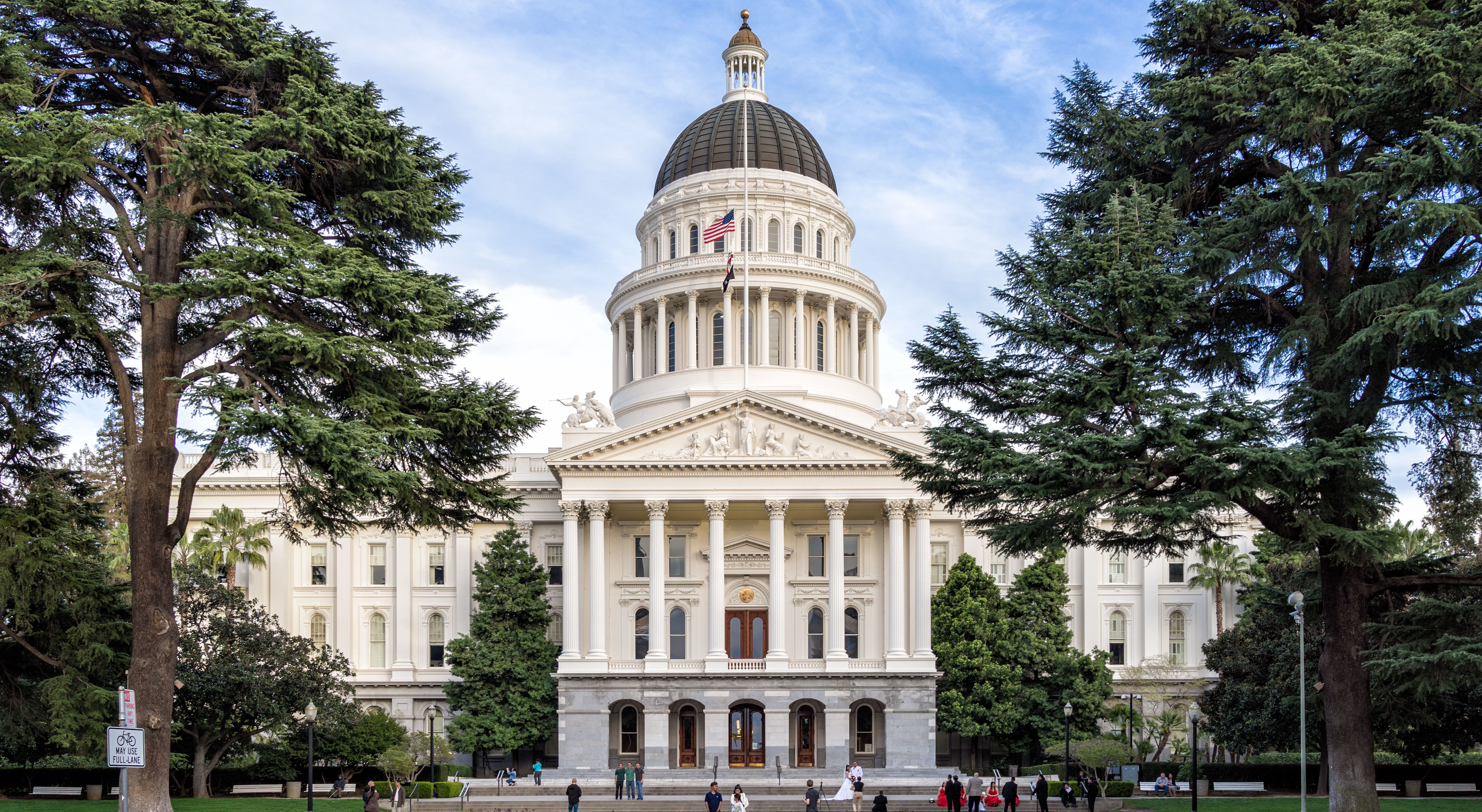
A California state court has invalidated key provisions of the law that recognized Diwali as an official state holiday [1].
The ruling halts a significant legislative effort to formally recognize one of the most prominent festivals in the Hindu tradition. It raises critical legal questions regarding the boundary between cultural recognition and the constitutional separation of church and state.
The court targeted Assembly Bill 268 (AB 268) [2], the statute signed by Governor Gavin Newsom (D-CA). The ruling, reported on Aug. 4 [3], found that the law violated the state constitution by providing preferential religious treatment. By designating a specific religious festival as a state holiday, the court said the government overstepped its authority and breached neutrality requirements.
Diwali had been officially recognized as a state holiday in October 2026 [2]. The move was initially celebrated by Hindu-American communities as a milestone for representation and inclusivity within the state's official calendar. However, the legal challenge argued that such a designation creates an unconstitutional preference for one faith over others.
The court's decision means that the provisions of AB 268 that established the holiday are no longer enforceable. While the state may still recognize the cultural significance of the event, it cannot grant it the legal status of a state holiday under the current constitutional interpretation.
Legal analysts said the ruling reinforces a strict adherence to the separation-of-church-and-state provisions. This prevents the state from endorsing specific religious observances through official legislation, even when those observances are widely celebrated by a large portion of the population.
“A California state court has invalidated key provisions of the law that recognized Diwali as an official state holiday.”
This ruling underscores the tension between the desire for multicultural recognition in government and the legal mandates of secularism. By striking down AB 268, the court has signaled that the state cannot grant legal privileges to religious festivals, regardless of their popularity or cultural impact, without risking a violation of the U.S. and state constitutional frameworks.