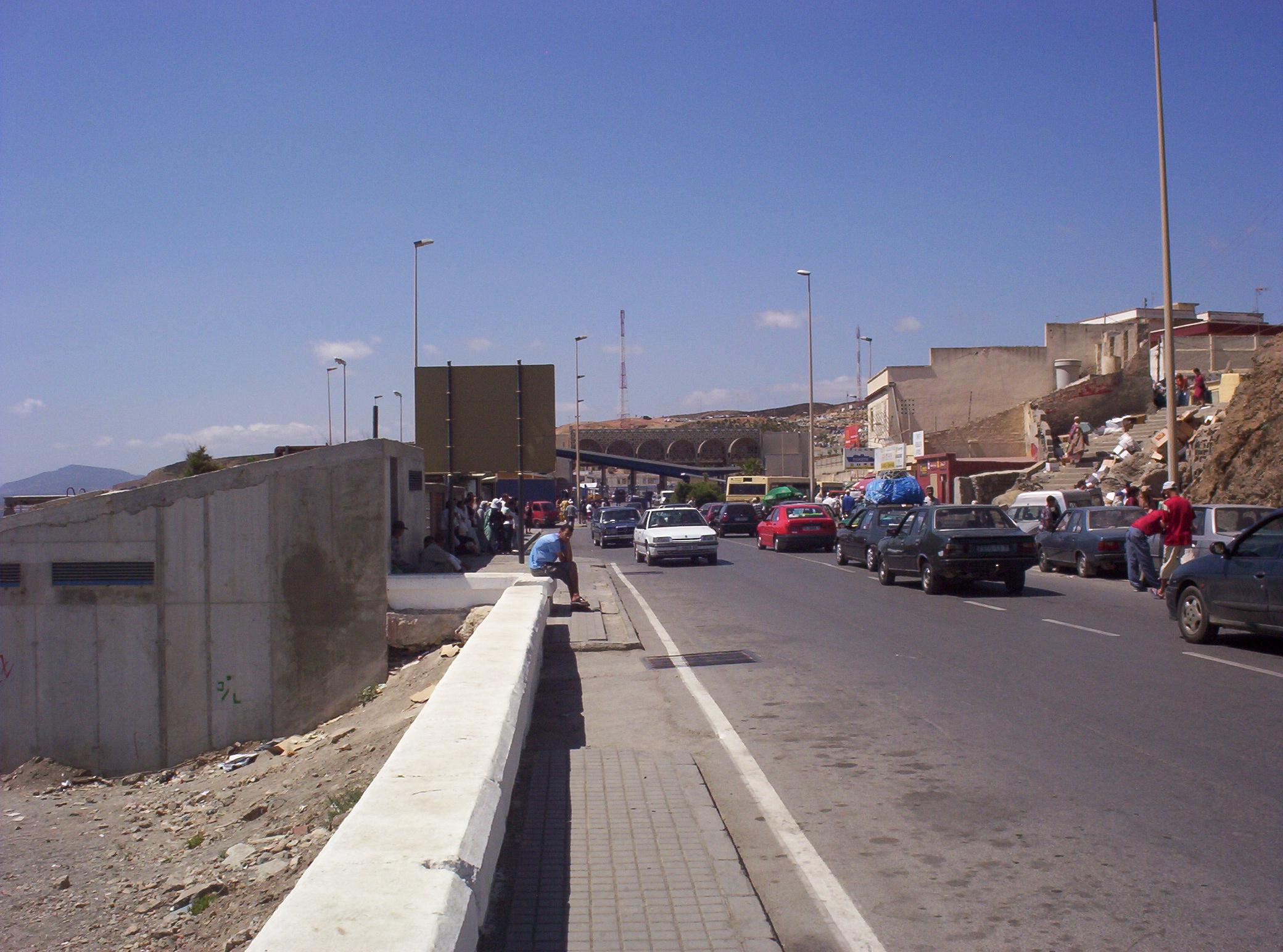
Approximately 60,000 migrants crossed from Morocco into the Spanish enclave of Ceuta over a 24-hour period ending Friday [1].
The mass breach has triggered a humanitarian emergency in the North African territory, forcing a rapid security response from both Spain and Morocco.
Reports on the death toll vary across agencies. Radio Canada said at least 57 deaths occurred [2], while RFI said at least 34 [3] and MSN said at least 19 [4]. The surge began Thursday, July 30, as thousands of people attempted to enter the European Union through the enclave.
Spanish authorities responded by deploying the military to secure the border [4]. The mobilization aimed to contain the influx and manage the thousands of people who breached the frontier.
Moroccan authorities utilized water cannons to repel migrants attempting to cross the border [4]. These measures were part of a larger effort to prevent the mass movement of people into the Spanish territory.
Local officials are now grappling with the immediate needs of the migrants who successfully entered Ceuta. The scale of the crossing has overwhelmed local infrastructure, creating an urgent need for food, medical care, and shelter for those trapped in the enclave.
“Approximately 60,000 migrants crossed from Morocco into the Spanish enclave of Ceuta”
This event highlights the extreme volatility of the Morocco-Spain border and the ongoing desperation of migrants seeking entry into Europe. The wide discrepancy in death tolls suggests a chaotic environment where official accounting is difficult, while the deployment of military and water cannons underscores the high-tension security approach both nations employ to manage migration flows.


