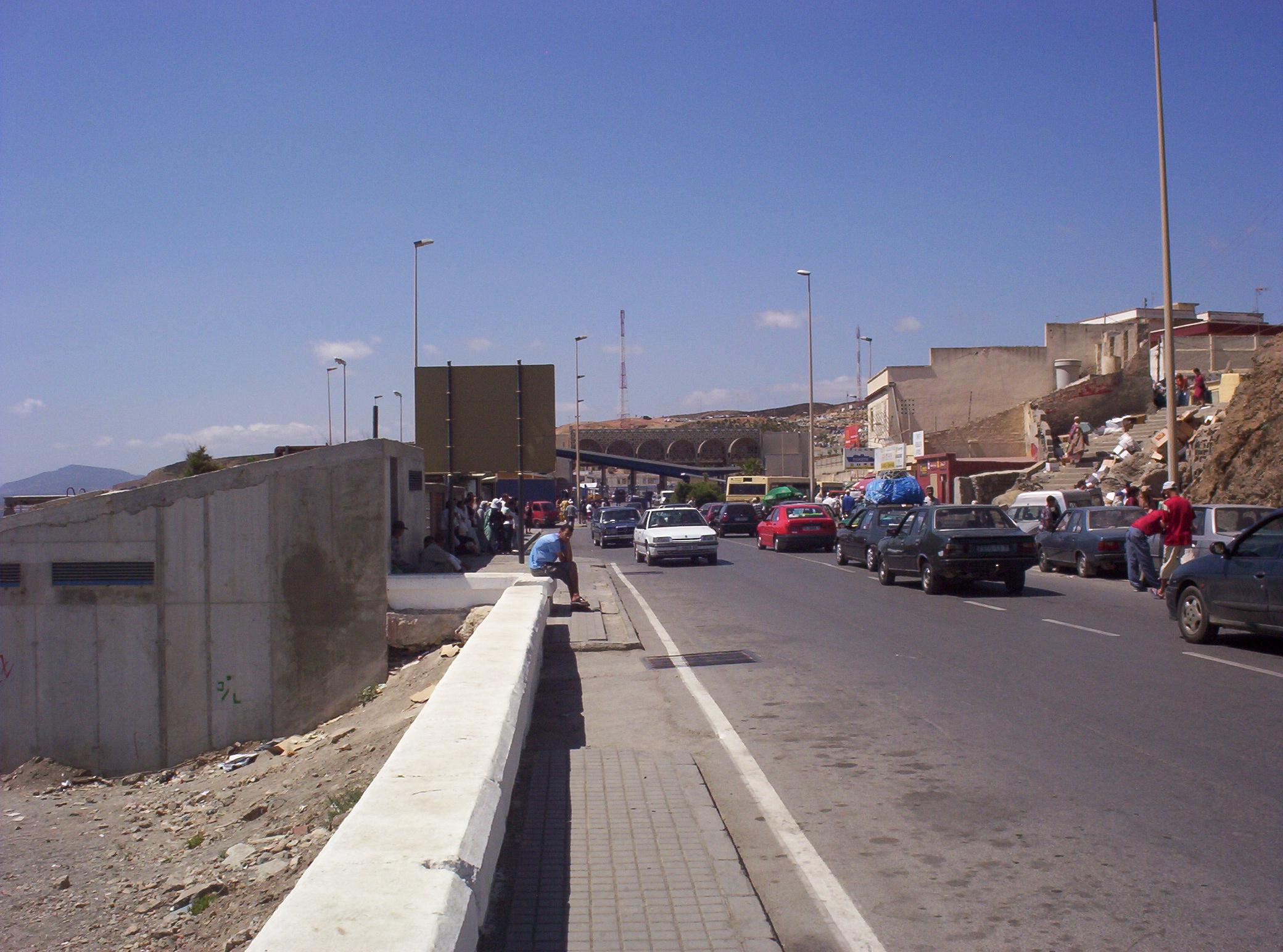
Tens of thousands of migrants crossed into the Spanish enclave of Ceuta from Morocco in late July [2].
The sudden breach of the border fence represents a significant security crisis for Spain and highlights the desperate conditions facing migrants in North Africa. The scale of the movement forced the Spanish government to deploy military personnel to restore order and protect regional resources [3].
Approximately 60,000 migrants entered the enclave during the peak of the crisis [1]. The influx occurred primarily on a Thursday and Friday in late July, with reports describing the scene as absolute chaos [3, 5]. While the majority breached the border fences, hundreds of migrants swam across the water to enter Spanish territory [4].
Many of the migrants are from sub-Saharan Africa [1]. Those who attempted the crossing cited hunger, hostility, and a lack of prospects while staying in Morocco as their primary motivations [2, 6].
Spanish authorities launched a security crackdown to manage the crowd and secure the perimeter. Following the operation, many of the migrants were escorted back across the border into Morocco [1, 2]. The crackdown resulted in fatalities, with reports indicating at least nine people died during the events [3].
Spanish officials said the military deployment was necessary to stabilize the enclave. The situation underscores the ongoing tension at the border between the European Union and North Africa, where migrants frequently attempt to find safer living conditions in Europe.
“Approximately 60,000 migrants entered the enclave during the peak of the crisis”
This event illustrates the volatility of the Ceuta border and the high risks migrants take to escape precarious conditions in Morocco. The use of military force and the subsequent mass return of migrants to Morocco reflect the European Union's commitment to strict border enforcement, even when faced with humanitarian crises involving displaced populations from sub-Saharan Africa.


