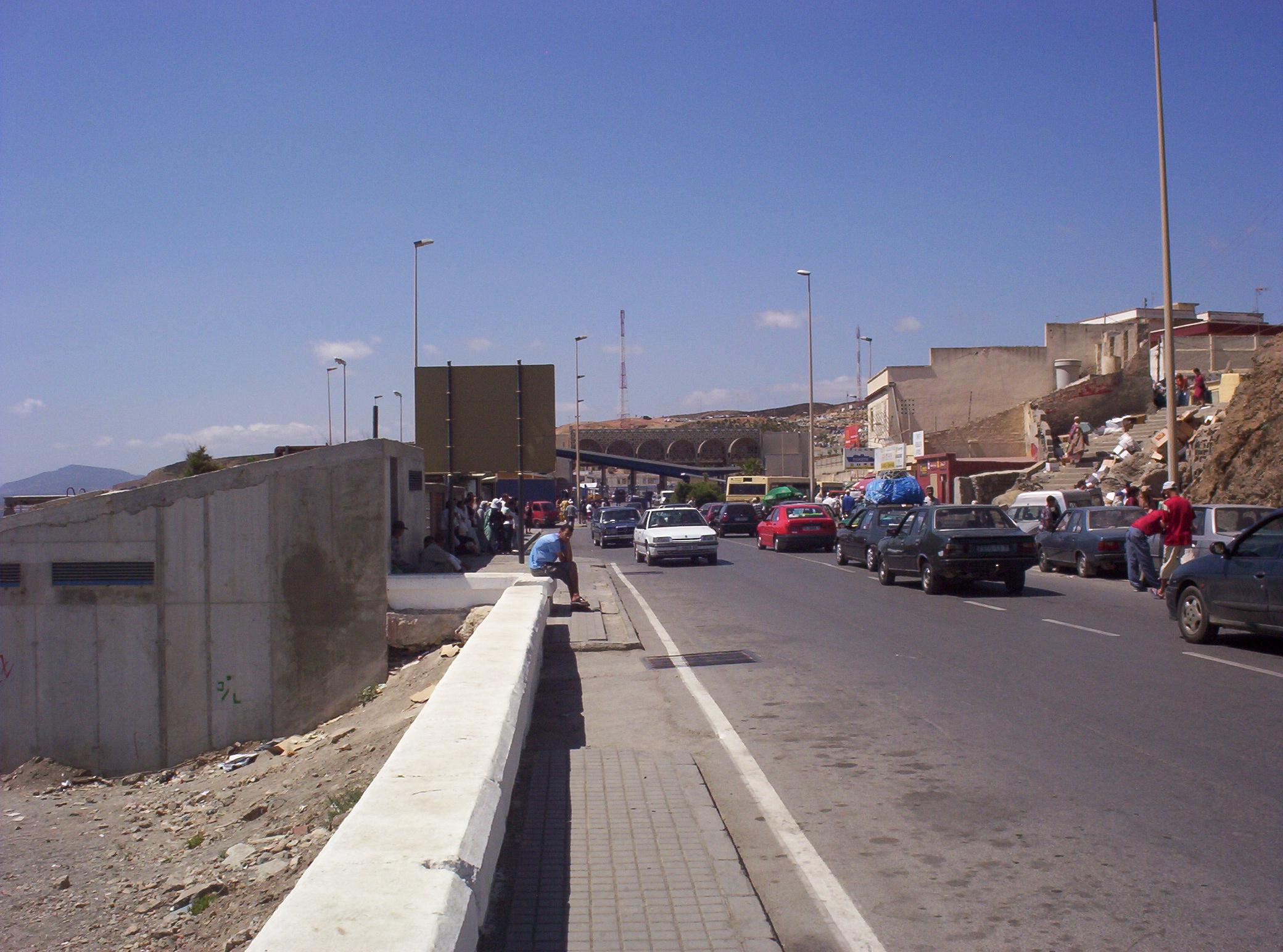
At least 57 people died Friday after thousands of migrants attempted to cross from Morocco into the Spanish enclave of Ceuta [1].
The scale of the breach represents a significant humanitarian crisis and a security challenge for Spain, as officials struggle to manage a sudden surge of thousands of people at a single border point.
Estimates of the number of people attempting the crossing vary. Some reports indicate more than 50,000 migrants tried to enter [2], while other sources state some 60,000 people crossed into the territory over the last few days [3].
Spanish authorities said autopsies will be performed on the bodies of those who died during the chaos [4]. The deaths occurred within a 24-hour period on July 31, 2026 [5].
Prime Minister Pedro Sánchez addressed the situation, stating that the event was a flood of illegal immigrants. "All illegal migrants will be returned," Sánchez said [6].
Following the initial breach, a large number of people left the enclave. Some reports state 25,000 people have already gone back voluntarily [7], while others describe the number as tens of thousands of migrants who returned to Morocco on Friday [8].
Spanish officials plan to return those who remain to Morocco. The border between the North African coast and the Spanish territory remains a point of high tension as authorities work to secure the perimeter.
“"All illegal migrants will be returned."”
The mass crossing into Ceuta underscores the precarious nature of the Spain-Morocco border and the persistent pressure of migration flows into Europe. The immediate priority for the Spanish government is the repatriation of migrants and the restoration of border security, but the high death toll highlights the extreme risks migrants take to enter the European Union.


