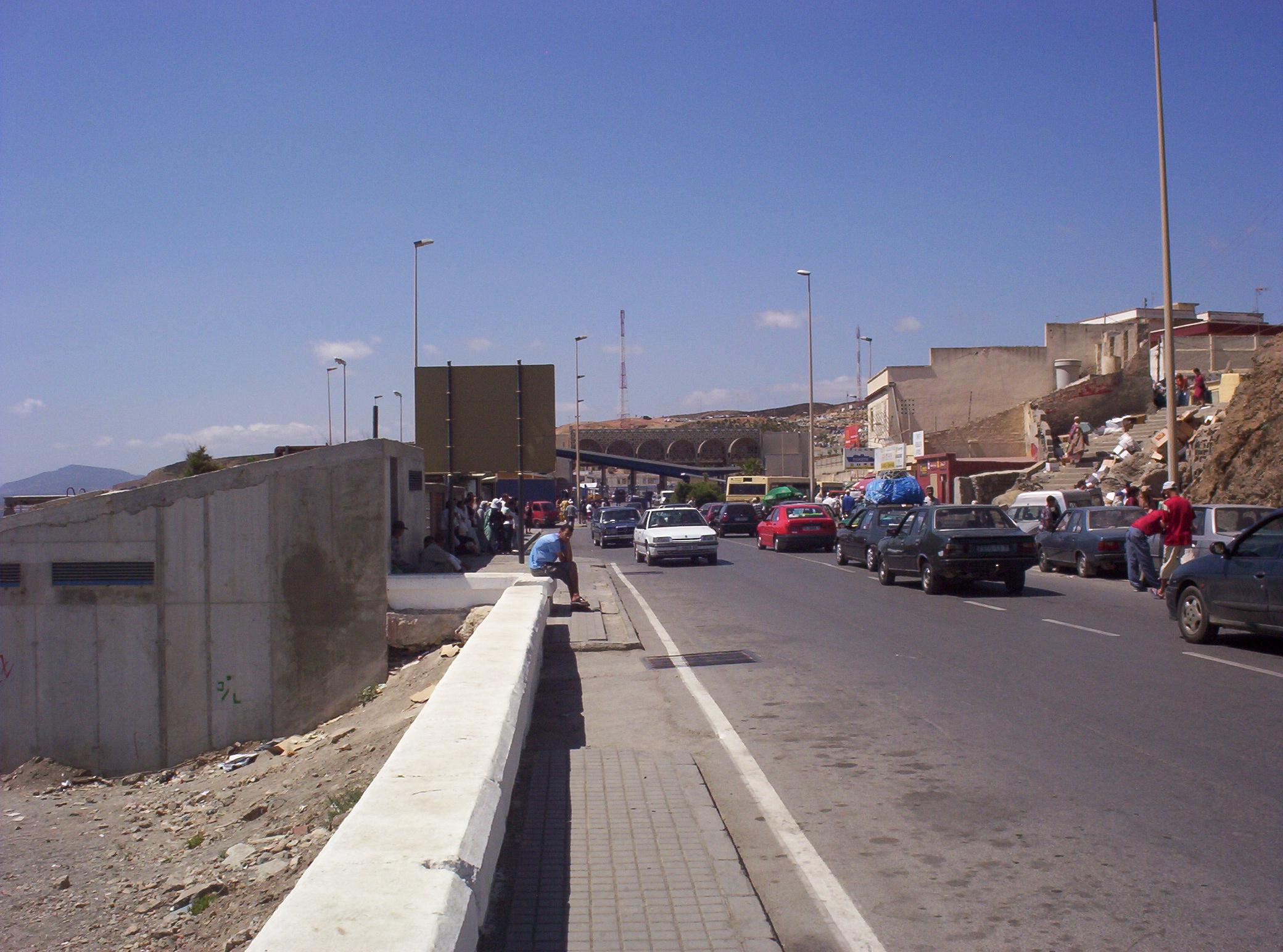
Around 60,000 migrants have entered the Spanish autonomous city of Ceuta from Morocco over the last few days [1], [2].
The scale of the influx represents one of the largest recent migration crises in Europe. It has strained local resources and intensified diplomatic tensions between Spain and Morocco regarding border security, and territorial sovereignty.
Most of the migrants are Moroccan nationals fleeing economic hardship and political instability [3]. Many individuals reached the enclave by swimming across the border in recent days [3]. The humanitarian toll of the crossing is significant, with reports of 34 deaths [6].
Spanish Prime Minister Pedro Sánchez said the situation was an attack on territorial integrity [2]. The government has responded by attempting to manage the surge and coordinate returns. Authorities have already returned 48,000 people to Morocco [2].
Reports on the exact number of arrivals vary across sources. While La Presse and RFI report approximately 60,000 migrants [1], [2], other sources such as Linternaute suggest the number is closer to 50,000 [3]. Additionally, some reports indicate that 49,000 of these arrivals occurred within a single 24-hour window [4].
Ceuta is a Spanish territory located on the North African coast. Because it borders Morocco, it often serves as a primary transit point for those attempting to reach the European Union. The current surge has forced Spanish authorities to deploy emergency measures to secure the perimeter, and process the arrivals.
“Around 60,000 migrants have entered the Spanish autonomous city of Ceuta from Morocco”
This event underscores the fragility of the border agreement between Spain and Morocco. By framing the migration surge as an attack on territorial integrity, the Spanish government is signaling that it views the influx not merely as a humanitarian crisis, but as a potential geopolitical tool used by Morocco to exert pressure on Spain.

