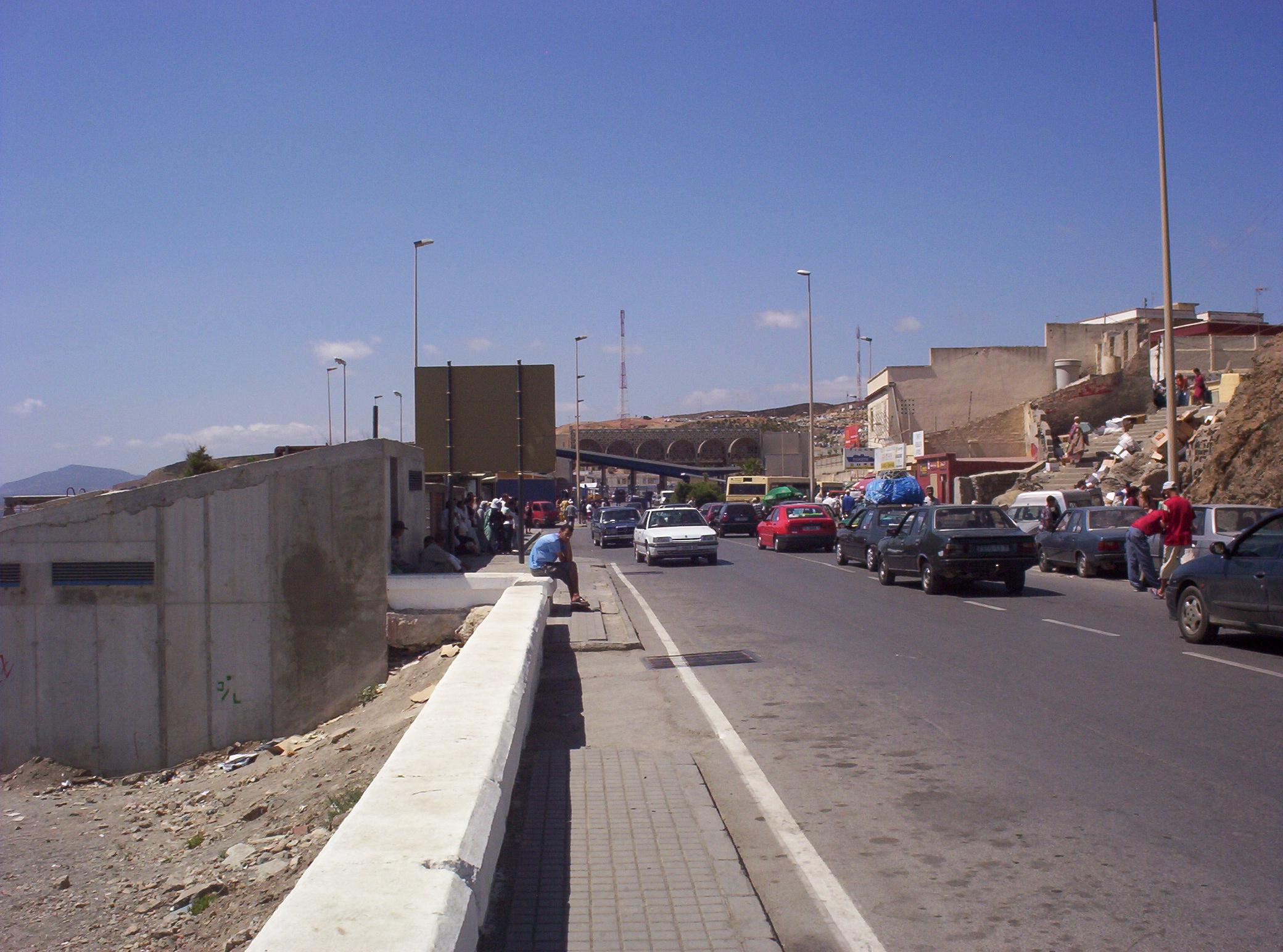
Thousands of migrants from Morocco crossed into the Spanish city of Ceuta on Thursday [1].
This surge puts extreme pressure on Spanish border security and humanitarian services, highlighting the ongoing instability of migration routes in North Africa. The event has triggered a joint operational response from both Spanish and Moroccan authorities to manage the border crisis.
Migrants entered the city primarily by swimming around the El Tarajal breakwater or crossing by land [2, 3]. The influx has overwhelmed emergency services as officials struggle to process the volume of arrivals [1, 4].
Reports on the scale of the crossing vary among news outlets. Some sources said that thousands of people crossed the border [1], while other reports describe the number as being in the hundreds [2].
At least nine people died during the attempts to enter Spain [5]. The deaths occurred as migrants navigated the hazardous waters and border fences during the surge.
Spanish authorities have agreed to accelerate the return of those who entered the territory illegally [6]. This decision comes amid a broader crisis involving the saturation of the Temporary Stay Center for Immigrants, known as CETI [1, 7].
Officials said the saturation of the CETI has led more people to attempt illegal entries as legitimate pathways for migration, and temporary housing remain insufficient [1, 7]. The Spanish government is currently coordinating with Moroccan counterparts to prevent further unauthorized crossings and manage the current population of migrants within the city.
“Thousands of migrants from Morocco crossed into the Spanish city of Ceuta on Thursday.”
The breach at El Tarajal underscores the fragility of the migration agreement between Spain and Morocco. When temporary facilities like the CETI reach capacity, it creates a bottleneck that often results in desperate, high-risk attempts to enter EU territory. The acceleration of deportations suggests a shift toward more restrictive border enforcement to deter future mass crossings.


