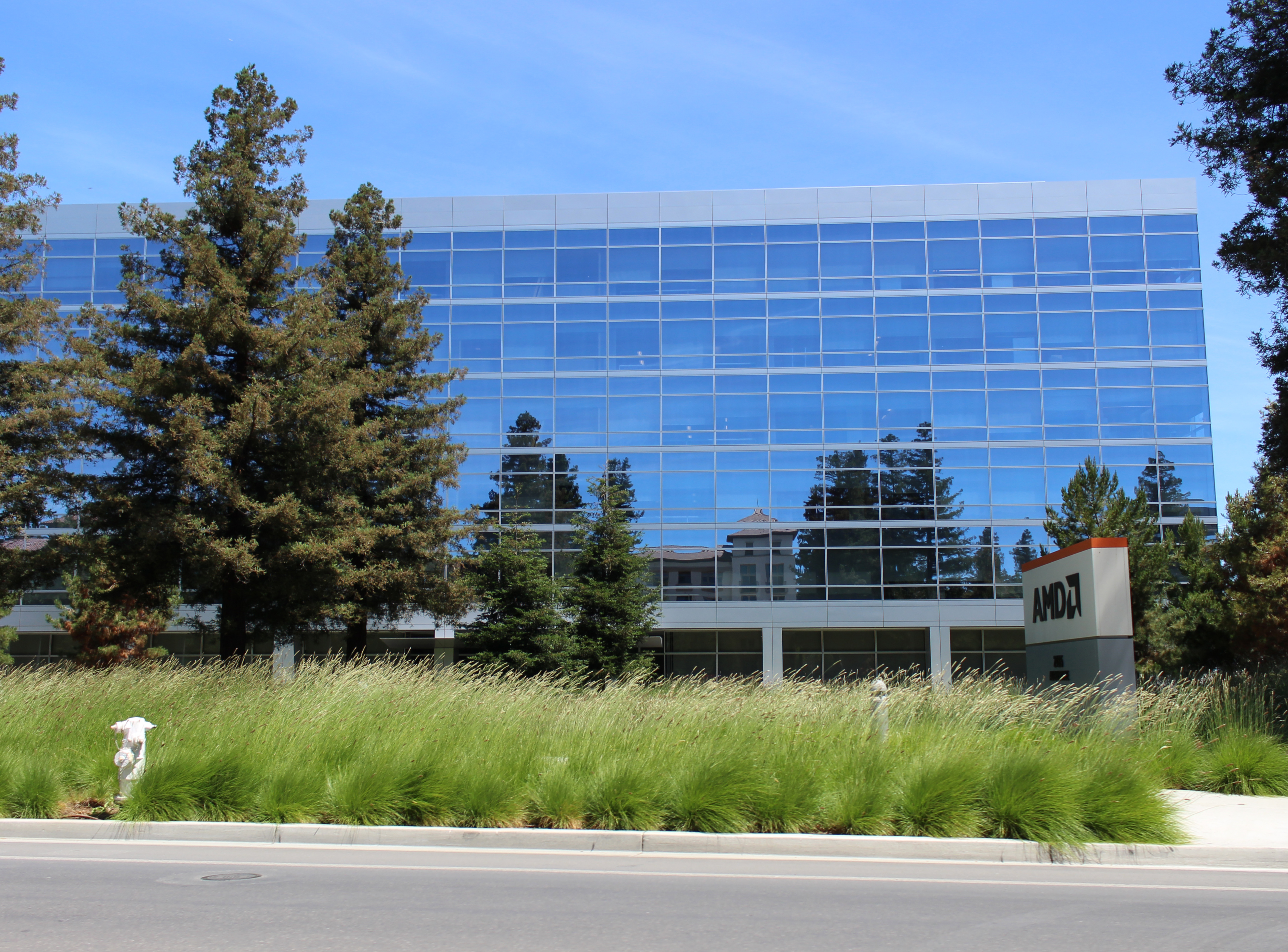
Chip stocks experienced a rally on July 30, 2026, driven by strong earnings reports from several industry leaders [1].
This surge reflects renewed investor confidence in the semiconductor sector, which remains critical for the global expansion of artificial intelligence and high-performance computing.
Lam Research saw its stock climb 17% [1]. The rally extended to other major players, with AMD and Micron also reporting substantial price increases [1, 2]. This momentum was further supported by positive earnings results from Microsoft and Arm [1].
In South Korea, Samsung Electronics reported a profit surge [2]. The company posted a profit of 89.4 trillion won, which is approximately $59 billion [3]. Despite these strong figures, some market volatility remained. Reuters said, "Chip stocks fell Tuesday despite a second-quarter earnings beat by semiconductor and consumer electronics manufacturer Samsung Electronics" [3].
Market analysts noted that the gains were not limited to individual stocks. MarketWatch said, "Exchange-traded funds that buy semiconductor stocks were putting up big gains..." as investors poured capital into diversified chip portfolios [4].
The rally highlights a period of aggressive growth for companies providing the hardware and software infrastructure necessary for modern data centers. The combined performance of these firms suggests a robust demand for chip technology across the U.S. and international markets [1, 2].
“Lam Research saw its stock climb 17%”
The coordinated rally across semiconductor equipment makers, designers, and manufacturers indicates that the AI-driven demand cycle has not yet peaked. By seeing gains in both specialized firms like Lam Research and diversified giants like Samsung, the market is signaling that the entire supply chain—from fabrication tools to final chips—is benefiting from increased capital expenditure in tech infrastructure.

'%2F%3E%0A%20%20%20%20%3Crect%20width%3D'1600'%20height%3D'900'%20fill%3D'url(%23v)'%2F%3E%0A%20%20%20%20%3Cg%20opacity%3D'0.08'%20fill%3D'%23ffffff'%3E%0A%20%20%20%20%20%20%3Ccircle%20cx%3D'1420'%20cy%3D'180'%20r%3D'220'%2F%3E%0A%20%20%20%20%20%20%3Ccircle%20cx%3D'1500'%20cy%3D'760'%20r%3D'120'%2F%3E%0A%20%20%20%20%3C%2Fg%3E%0A%20%20%20%20%3Cline%20x1%3D'80'%20y1%3D'172'%20x2%3D'220'%20y2%3D'172'%20stroke%3D'%23ffffff'%20stroke-width%3D'3'%20stroke-opacity%3D'0.6'%2F%3E%0A%20%20%20%20%3Ctext%20x%3D'80'%20y%3D'140'%20font-family%3D'Inter%2C%20-apple-system%2C%20Helvetica%2C%20sans-serif'%20font-weight%3D'700'%20font-size%3D'28'%20fill%3D'%23ffffff'%20letter-spacing%3D'6'%3EHANNA%20%C2%B7%20NEWS%3C%2Ftext%3E%0A%20%20%20%20%3Ctext%20x%3D'80'%20y%3D'230'%20font-family%3D'Inter%2C%20-apple-system%2C%20Helvetica%2C%20sans-serif'%20font-weight%3D'600'%20font-size%3D'40'%20fill%3D'%23ffffffb3'%20letter-spacing%3D'4'%3EBUSINESS%3C%2Ftext%3E%0A%20%20%20%20%3Ctext%20x%3D'80'%20y%3D'622'%20font-family%3D'Playfair%20Display%2C%20Georgia%2C%20serif'%20font-weight%3D'800'%20font-size%3D'86'%20fill%3D'%23ffffff'%20letter-spacing%3D'-1'%3EGenomOncology%20Launches%3C%2Ftext%3E%3Ctext%20x%3D'80'%20y%3D'721'%20font-family%3D'Playfair%20Display%2C%20Georgia%2C%20serif'%20font-weight%3D'800'%20font-size%3D'86'%20fill%3D'%23ffffff'%20letter-spacing%3D'-1'%3EWhole-Genome%20Sequencing%3C%2Ftext%3E%3Ctext%20x%3D'80'%20y%3D'820'%20font-family%3D'Playfair%20Display%2C%20Georgia%2C%20serif'%20font-weight%3D'800'%20font-size%3D'86'%20fill%3D'%23ffffff'%20letter-spacing%3D'-1'%3EWorkflow%20with%20PacBio%3C%2Ftext%3E%0A%20%20%20%20%3Ctext%20x%3D'80'%20y%3D'870'%20font-family%3D'Inter%2C%20-apple-system%2C%20Helvetica%2C%20sans-serif'%20font-weight%3D'500'%20font-size%3D'22'%20fill%3D'%23ffffff66'%20letter-spacing%3D'2'%3Enews.hanna-ai.com%3C%2Ftext%3E%0A%20%20%3C%2Fsvg%3E)
